
can you use regular water in a professional stage fog machine? | Insights by Siterui SFX
1) Can I temporarily use tap water in a professional heated fog machine during a show if I run out of fog fluid?
Short answer: No — not as a recommended emergency substitute. Professional heated fog machines and thermal foggers are engineered to aerosolize specialized fog fluid (typically propylene glycol or glycerin blended with water) that forms stable, long-lasting aerosol droplets. Tap water will mostly generate steam and very short-lived mist because water-only vapour condenses and settles quickly. More importantly, tap water contains dissolved minerals and particulates that can deposit on the heater block, nozzles and sensors, accelerating scaling and clogging.
Practical guidance if you absolutely must act in an emergency:
- Stop the show only if possible until proper fog fluid is supplied. This is the safest option for equipment and health compliance.
- If you must use water for a non-critical effect, use distilled or deionized water rather than tap water to reduce mineral scaling. Expect weak, short-lived fog and increased need for cleaning afterward.
- After any water-only run, drain the reservoir (if applicable), run the manufacturer's recommended cleaning cycle, and schedule an inspection. Do not assume the machine is fine — mineral residue can hide inside the heater.
Why manufacturers insist on approved fog fluid: top brands (Antari, CHAUVET, Martin, etc.) specify compatible fluids in their manuals because fluid formulation controls droplet size, suspension time and thermal behavior. Using non-approved liquids can void warranty and lead to service issues.
2) Will using distilled water instead of fog fluid prevent clogging and extend my fog machine's lifespan?
Distilled water reduces mineral deposits compared with tap water, because it lacks calcium, magnesium and other dissolved solids. However, distilled water is not a substitute for fog fluid. Professional fog machines rely on formulated fluids that include humectants (propylene glycol or glycerin) to produce visible, long-lasting fog aerosols. Running distilled water may avoid immediate scaling but will still produce only steam-like output that won’t achieve theatrical density or persistence.
Maintenance trade-offs and recommendations:
- Use distilled or deionized water only for brief cleaning cycles and for mixing when explicitly allowed by the manufacturer. Never replace fog fluid with water as a routine practice.
- Regular preventative maintenance — weekly flushing with a recommended cleaning solution, replacing inline filters, and descaling as the manual specifies — has a far greater impact on service life than occasional use of distilled water.
- For venues with hard water, always fill fog fluid reservoirs from distilled/deionized water when diluting or cleaning to minimize mineral scaling.
3) Can ultrasonic 'water-only' hazers replace glycol-based stage fog machines for theatrical fog effects?
No, not directly. Ultrasonic humidifiers or ultrasonic hazers operate by mechanically vibrating water with a piezoelectric transducer to create fine droplets (often using only water). They are excellent where water-based mist is acceptable (ambient humidity control, low-SPL haze for intimate displays), but they differ fundamentally from glycol-based haze and fog systems:
- Particle chemistry: Glycol/glycerin aerosols produce droplets that are hygroscopic and stay suspended longer, giving persistent beams and theatrical density. Water-only mists evaporate or fall out faster and rarely create the same light-scattering effect in larger venues.
- Hazard & venue suitability: Ultrasonic units can create visible condensate on surfaces in cold venues and may not meet theatrical visibility specs. They are more suited for small displays or background atmospheric effects, not large-stage haze where long hang time is required.
- Compatibility: DMX-controlled fog machines and hazers designed for theatrical work expect specific fluid viscosities and pump tolerances. Using ultrasonic devices for the same artistic outcome often fails unless you redesign the effect.
Recommendation: For sustained theatrical haze and beam definition (concerts, broadcast, theatrical), continue to use manufacturer-specified hazer/fog fluids. Consider ultrasonic units only for specialized, low-persistence effects or humidification, and test them in-situ prior to a show.
4) What are the long-term mechanical risks (scaling, corrosion, pump failure) of using regular water in a DMX-controlled or heated fog machine?
Regular tap water increases long-term risk through mineral scaling, galvanic corrosion and pump/blockage issues:
- Mineral scaling: Calcium and magnesium precipitate when heated, forming scale on heater cores and boiler surfaces. Scale reduces heat transfer efficiency, causes hotspots, and can crack heater elements. Scale is difficult to remove and shortens service intervals.
- Corrosion: Dissolved ions in tap water accelerate corrosion of metal parts, fasteners and sensors. Corroded sensors provide incorrect temperature readings, which can trigger fail-safe shutdowns or cause overheating.
- Pump & valve damage: Water lacks the lubricating and stabilizing properties of glycol/glycerin formulations. Over time, pump seals, diaphragms and micro-valves can harden or erode, causing intermittent output or total pump failure.
- Electrical & safety: Mineral-laden water can increase conductivity around heating elements and connectors, raising the risk of shorts or nuisance triggers in control electronics. This is especially problematic in DMX environments where precise control is required.
Cost impact: Rental houses and production companies commonly report that fluid contamination and improper fluids are among leading causes of shop repair — increasing downtime and parts costs. For long-term reliability, use recommended professional fog fluids, perform routine maintenance, and schedule preventive service with trained technicians.
5) Does using regular water affect output density and visibility compared with manufacturer fog fluid, and how do I measure and compensate for differences?
Yes — output density, particle size distribution and hang time all change dramatically. Fog fluid formulations are optimized for droplet size (often 1–10 micrometers for theatrical aerosols) so that the aerosol scatters light effectively and remains suspended. Water-only mist tends to form larger droplets that fall out quicker and don’t scatter light the same way.
How to evaluate and compensate:
- Visual testing: Conduct a controlled test in the performance space at load-in. Compare beam visibility, backscatter and persistence between approved fog fluid and any water-only alternative.
- Quantitative tools: Facilities with advanced tech can use optical particle counters or light-scattering meters to confirm particle concentration and size distribution. For most venues, standard practice is visual and timing tests (how long the effect persists under ventilation conditions).
- DMX and duty-cycle tuning: If you must use a suboptimal fluid briefly, adjust DMX output (shorter bursts, higher frequency) and pump settings to approximate density, though this will not replicate the droplet chemistry and hang time of proper fluid.
Conclusion: Water-only output will not match approved fog fluids in density or persistence. Plan for proper fluids and allocate inventory for shows to avoid compromises in artistic outcome.
6) If regular water was used and the machine shows reduced output or errors, what's the correct cleaning, repair procedure, and will warranty cover it?
Immediate triage steps:
- Turn off and unplug the unit. Do not continue to operate a machine showing errors.
- Drain any remaining liquid from the reservoir. If the unit has a drain plug or service port, use it per manual instructions.
- Run an approved cleaning cycle. Use the manufacturer's recommended cleaner or, where the manual allows, a distilled water + mild descaler (e.g., diluted white vinegar) flush to dissolve mineral deposits. Important: confirm concentrations in the manual — incorrect mixes can damage seals.
- Inspect and, if accessible, remove and clean nozzles, inline filters and pump housings. Replace any disposable filters. If the heater element has visible deposits, do not attempt destructive cleaning — contact a qualified service center.
Recovery and repair:
- After cleaning, perform a low-power test run with manufacturer-approved fluid. Listen for unusual pump noises and watch for stable output.
- If output remains weak or the unit reports sensor errors, contact the manufacturer's service or an authorized repair center. Thermal elements and pumps are common replacement parts after fluid contamination.
- Warranty considerations: Most manufacturers explicitly void warranty for damage caused by improper fluids or foreign liquids. Keep documentation of cleaning and incident timeline; if the use of regular water was unavoidable (e.g., emergency cover at venue), disclose this when arranging service. Some service centers offer paid remediation even if warranty is void.
Prevention is less costly than cure: maintain fluid inventory, follow the service schedule in your manual, and train staff on approved fluids and emergency procedures to avoid warranty complications and repairs.
Concluding summary
Using regular water in a professional stage fog machine is not recommended. Proper fog/haze fluids (usually propylene glycol or glycerin-based formulas mixed with water) are engineered for particle size, hang time and equipment compatibility. Regular tap water risks mineral scaling, corrosion, reduced optical quality, pump and heater damage, and likely voids manufacturer warranties. For reliable performance and lower lifecycle costs, use manufacturer-recommended fluids, follow scheduled maintenance, and keep distilled water on hand only for approved cleaning cycles.
Advantages of following these best practices include longer equipment lifespan, consistent theatrical density and beam definition, predictable DMX control response, fewer service calls, and compliance with venue safety guidance. For equipment selection, compatible fog fluid recommendations, cleaning kits, or service quotes, contact us for a quote: www.siteruisfx.com or email sales01@strlighting.com.
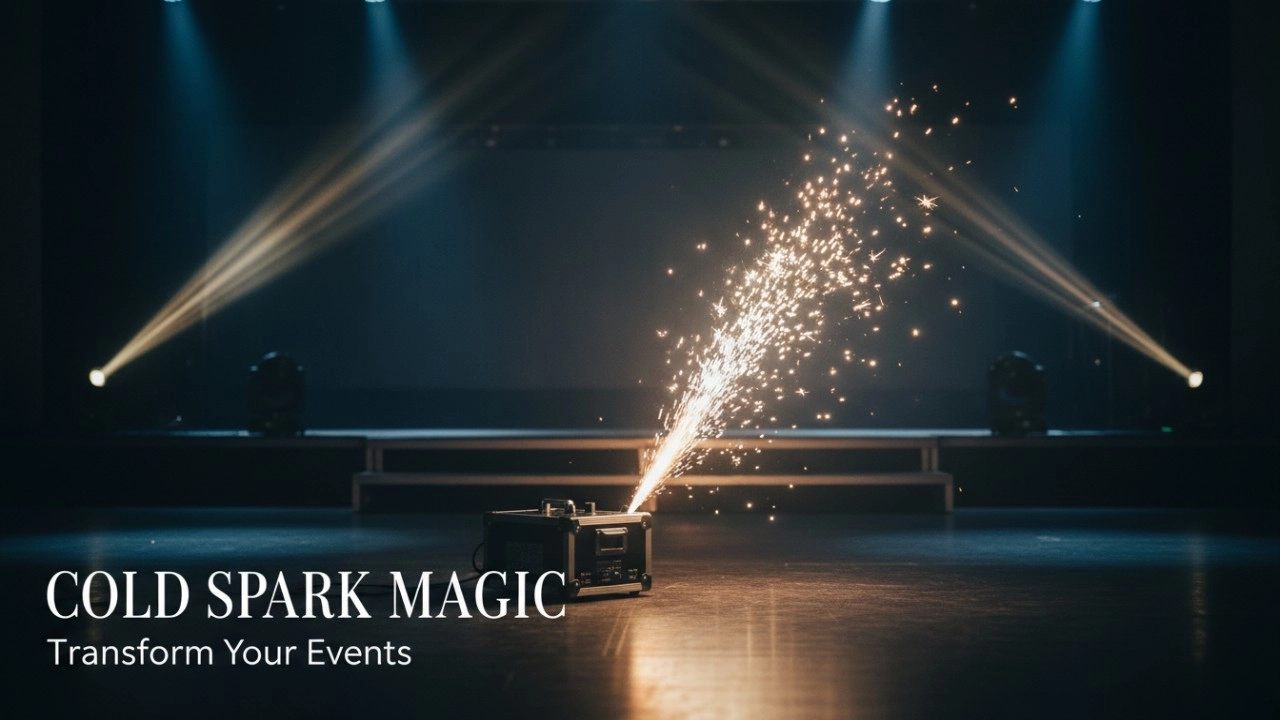
Top 10 Cold Spark Machines for 2026: A Deep Dive into Performance, Powder Life, and Durability

How to Choose a Snow Machine: The Definitive Checklist to Avoid Costly Mistakes (2026 Guide)
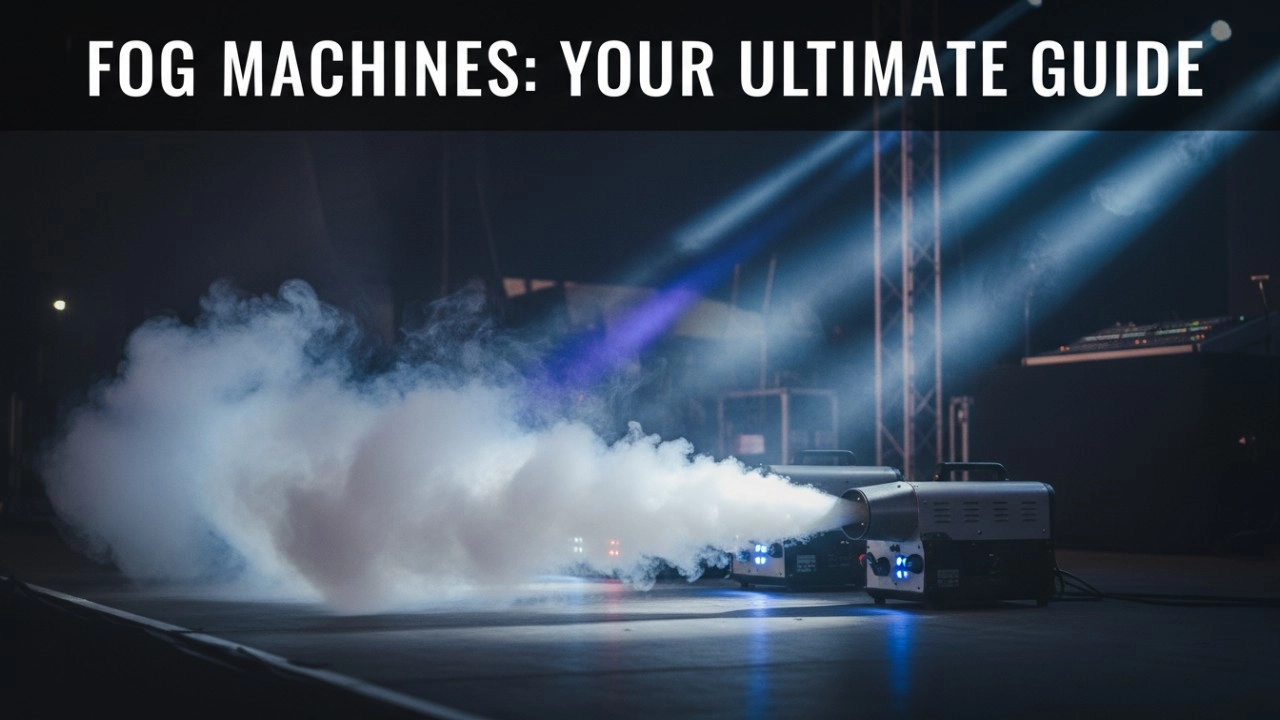
Fog Machines Explained: Technology, Control Systems, and Modern Stage Applications
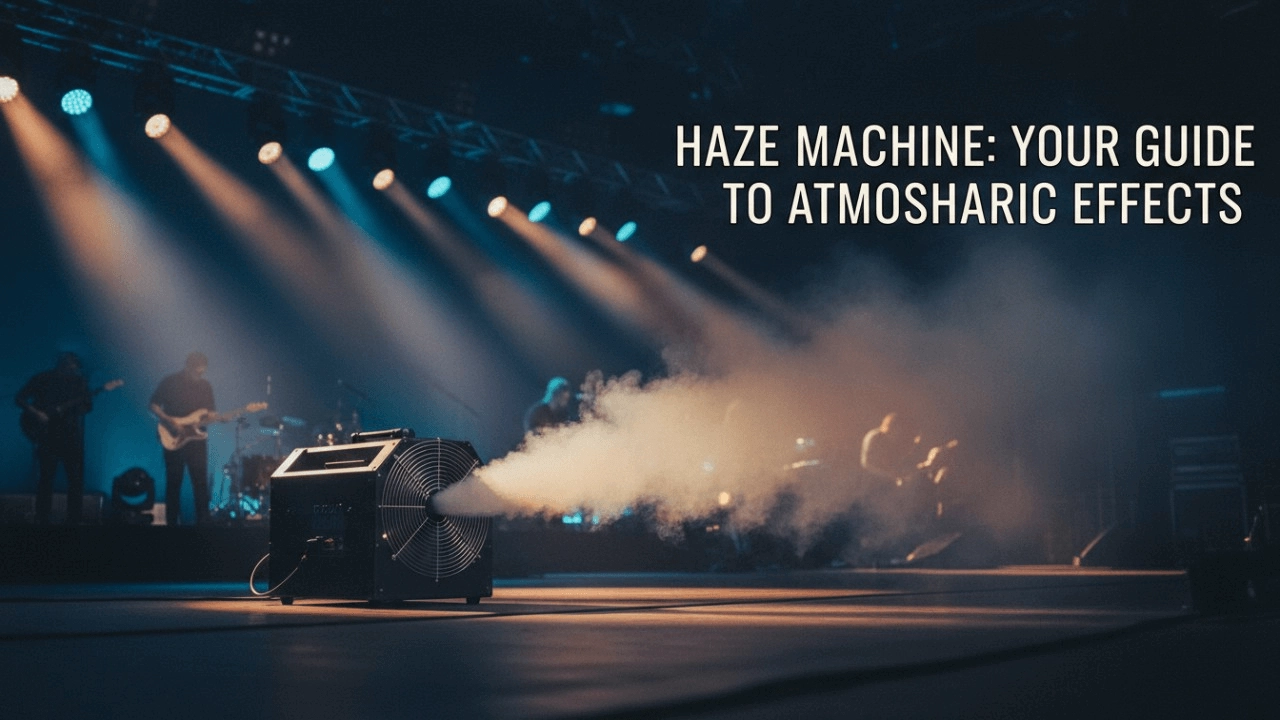
Haze Machines Explained: The Definitive 2026+ Guide to Effects, Selection & Future Innovations
Recommended for you


Stay Informed or Connect with Us
Have questions about our latest news or updates?
Reach out to us—we're here to provide more insights or media support.
Email: sales01@strlighting.com
WhatsApp: +86 189 2232 4800
© 2025 Siterui SFX All Rights Reserved.
 Scan QR Code
Whatsapp: +8618922324800
siteruisfx_stage_equipment
Siterui
SITERUI-SFX
STRlighting
@siterui.sfx