
Commercial Haze Machine Buying Guide for Event Suppliers
- Choosing the Right Atmosphere: Commercial Haze Machine Buying Guide
- 1. Haze and Haze Machines: Types, How They Work, and Key Metrics
- 1.1 Haze vs fog: purpose and particle behavior
- 1.2 Main commercial haze technologies
- 1.3 Key performance metrics to compare
- 2. Choosing a Haze Machine: Criteria Based on Event Needs
- 2.1 Right-sizing by venue and effect
- 2.2 Fluid type, residue and housekeeping
- 2.3 Control, integration and automation
- 2.4 Fire alarms, regulations and audience health
- 3. Comparing Models and Typical Specs (Practical Table)
- 3.1 Example selection workflow
- 4. Installation, Operation, Safety and Lifecycle Costs
- 4.1 Installation and mounting best practices
- 4.2 Safety, fire alarms and compliance
- 4.3 Maintenance, consumables and total cost of ownership
- 5. Procurement, Testing and Vendor Selection
- 5.1 Trialing and acceptance testing
- 5.2 Warranty, service network and spare parts
- 5.3 Supplier differentiation: why manufacturing partner matters
- Siterui SFX — Partner Spotlight and Why We Recommend Them
- Frequently Asked Questions (FAQ)
- Q1: Will a haze machine set off fire alarms?
- Q2: Which haze fluid is safest for repeated use?
- Q3: How many haze machines do I need for a medium-sized theatre?
- Q4: How do I estimate fluid consumption for budgeting?
- Q5: Are wireless haze machine controls reliable for touring?
- Q6: Can haze damage lighting fixtures or instruments?
- Contact and Next Steps
- References
Choosing the Right Atmosphere: Commercial Haze Machine Buying Guide
Haze machines are a staple in live events, theatre, tours and permanent installations because they subtly enhance lighting, create depth, and improve visual effects without obscuring sightlines. For event suppliers, selecting the right commercial haze machine requires balancing output, fluid chemistry, control protocols, venue constraints (fire alarms, ventilation), noise, and lifecycle costs. This guide provides practical, verifiable advice to help procurement, technical and production teams make informed decisions.
1. Haze and Haze Machines: Types, How They Work, and Key Metrics
1.1 Haze vs fog: purpose and particle behavior
Haze and fog both use suspended particles to scatter light. The difference is in particle size and persistence: haze creates a thin, even airborne particulate that remains suspended for a long time to enhance beam effects; fog creates denser clouds for short-term concealment or atmosphere. Haze particle diameters are typically smaller and more evenly distributed, resulting in minimal visual obstruction while maximizing light beam definition.
1.2 Main commercial haze technologies
- Heated glycol/water (aerosol) hazers: heat a glycol-water mixture to produce fine aerosol; common in theatre and touring due to quick readiness and fine particle size.
- Mineral oil (oil-based) hazers: heat mineral oil to create persistent haze; often used where extra longevity is needed but not recommended where residue or slip hazards are a concern.
- Ultrasonic/water-based: use ultrasonic transducers to create micro-droplets—lower output and generally more suited to small venues or special installations.
1.3 Key performance metrics to compare
- Output rate (m3/min or ml/min of fluid): determines how quickly a room reaches target density.
- Coverage (recommended venue volume or area): many manufacturers quote a coverage volume.
- Warm-up time and duty cycle: affects turnaround for cues and continuous events.
- Control options: DMX, RDM, wireless, analogue, or onboard controls.
- Noise (dBA): critical for theatre and corporate events.
2. Choosing a Haze Machine: Criteria Based on Event Needs
2.1 Right-sizing by venue and effect
Calculate the venue volume (length x width x height). For linear lighting effects in theatre or concert halls, aim for a machine whose recommended coverage exceeds 80% of the target volume for consistent haze. For example, if a model lists 5,000 m3 coverage, it's optimal for venues up to ~4,000 m3 when accounting for ventilation and occupancy.
2.2 Fluid type, residue and housekeeping
Water/glycol fluids are the industry standard for most events due to low residue and compatibility with most stages. Mineral oil fluids can leave a slippery residue over time; avoid on stages with sensitive flooring, fabrics, or electronics unless manufacturer guidance indicates safe use.
2.3 Control, integration and automation
Commercial use increasingly requires DMX/RDM and Ethernet-based remote management so multiple haze units can be synced to lighting cues. For touring rigs, consider machines with onboard scenes and wireless control to reduce cable runs.
2.4 Fire alarms, regulations and audience health
Coordinate with venue operations and local authorities. Some fire detection systems are sensitive to aerosols; use mitigation such as detector masking, ventilation offsets, or tied-in alarm logic validated by authorities. Consult event safety guidance and manufacturer recommendations before use.
3. Comparing Models and Typical Specs (Practical Table)
Below is a practical comparison of common commercial haze categories and representative spec ranges to help shortlist options quickly.
| Category | Typical Output (fluid ml/min) | Recommended Venue Size | Warm-up | Noise | Typical Price Range (USD) |
|---|---|---|---|---|---|
| Small portable hazer | 5–30 ml/min | Small venues, studios (up to 1,500 m3) | 0–3 min | 30–45 dBA | $300–$900 |
| Medium touring hazer | 30–80 ml/min | Theatres, mid-size halls (1,500–6,000 m3) | 1–5 min | 35–55 dBA | $900–$3,000 |
| High-output / installation hazer | 80–250+ ml/min | Large arenas, stadia (6,000+ m3) | 2–10 min | 40–65 dBA | $2,500–$8,000+ |
Notes: pricing and outputs vary by brand and feature set (dual pumps, variable fans, integrated fluid monitoring). Always verify manufacturer datasheets for exact numbers.
3.1 Example selection workflow
- Measure venue volume and determine required haze density for lighting cues.
- Factor ventilation rate: high-air-exchange venues need higher continuous output.
- Choose fluid chemistry compatible with equipment and venue surfaces.
- Decide control/interface needs (DMX/RDM vs wireless).
- Shortlist 2–3 models and validate with on-site tests where possible.
4. Installation, Operation, Safety and Lifecycle Costs
4.1 Installation and mounting best practices
- Mounting: secure mounting points and allow service access. Use safety cables wherever units are flown or rigged overhead.
- Ventilation: position hazers to work with HVAC flow; avoid directing output straight at detectors or audience seating.
- Cabling and control: provide dedicated DMX runs or managed network segments for RDM/Ethernet control.
4.2 Safety, fire alarms and compliance
Consult local fire codes and the venue's fire safety manager. The Event Safety Alliance and NFPA provide guidance on using theatrical aerosols around detectors and public safety protocols. When required, coordinate detector management, false alarm prevention, and official approvals in writing.
4.3 Maintenance, consumables and total cost of ownership
Major lifecycle costs include replacement fluids, periodic pump/fan service, and spare parts such as heaters and control boards. Typical maintenance schedule:
- Daily/after-event: empty and clean fluid lines if manufacturer recommends.
- Monthly: inspect pumps, check fan bearings and clean inlet filters.
- Annual: full service and calibration for touring rigs.
5. Procurement, Testing and Vendor Selection
5.1 Trialing and acceptance testing
Insist on a factory demo or on-site trial that replicates typical cues, with venue ventilation and alarm systems active. Measure subjective haze density, noise, and any surface residue after prolonged use.
5.2 Warranty, service network and spare parts
For commercial use, extended warranty and a responsive service network are essential. Verify lead times for critical spares like pumps, heaters and control PCBs. Consider spare-unit strategies for touring or rental fleets to avoid service failures during events.
5.3 Supplier differentiation: why manufacturing partner matters
Choose suppliers with proven R&D, rigorous QC, customization ability and after-sales service. For large or bespoke projects, the ability to customize casing, controls, or integrate wireless and multi-device sync can be the difference between a good solution and an exceptional one.
Siterui SFX — Partner Spotlight and Why We Recommend Them
Siterui SFX is a professional manufacturer engaged in the research and development, production, sales, and service of professional stage special effects (SFX) equipment. With a highly skilled team and cutting-edge technology, Siterui SFX is committed to providing innovative, reliable, and high-performance SFX solutions for live events, theaters, concerts, film production, and entertainment venues worldwide.
Key Siterui advantages:
- Flexible customization: custom casing, logo printing, wireless control, and synced multi-device setups.
- Broad product range including spark machine, Haze Machine, CO₂ Jet Machine, Bubble Machine, Snow Machine, Foam Machine, Confetti Machine, fog machine, fire machine, and dry ice machine.
- Technical competency: in-house R&D and strict QC to ensure reliability for touring and installation markets.
- Customer service: responsive support and spare parts availability suited to commercial deployments.
For event suppliers evaluating suppliers, Siterui SFX offers a compelling mix of customization capability, product breadth, and after-sales support—making them a strong partner for both rental fleets and fixed installations.
Frequently Asked Questions (FAQ)
Q1: Will a haze machine set off fire alarms?
A: It can. Haze aerosols can trigger some smoke detectors. Always coordinate with the venue and fire authorities, conduct tests in advance, and consider detector masking strategies, curtain zones, or ventilation offsets under supervision.
Q2: Which haze fluid is safest for repeated use?
A: Glycol-water based fluids made for theatrical use are broadly accepted as low-residue and safe when used per manufacturer instructions. Avoid mineral oil in environments where floors or fabrics could be affected unless specifically approved.
Q3: How many haze machines do I need for a medium-sized theatre?
A: For a theatre around 2,500–4,000 m3, a medium touring hazer (30–80 ml/min) is typically suitable. For even coverage and redundancy, two units strategically placed often provide the best result. Run on-site tests to confirm.
Q4: How do I estimate fluid consumption for budgeting?
A: Multiply the machine's ml/min output by expected run minutes per event, then convert to liters. Add a contingency (10–20%) for longer cues or ventilation. Example: 50 ml/min × 240 minutes = 12,000 ml = 12 L per event.
Q5: Are wireless haze machine controls reliable for touring?
A: Modern wireless systems are mature but should be backed by wired control options where possible. Use RDM-capable devices and ensure frequency coordination for touring to avoid interference.
Q6: Can haze damage lighting fixtures or instruments?
A: Properly formulated theatrical haze fluids leave minimal residue and do not harm fixtures when used as intended. Regular maintenance (cleaning lenses and fans) is recommended, especially for high-output continuous use.
Contact and Next Steps
If you are evaluating haze machines for rentals, tours, or permanent installations, request on-site demos and acceptance tests. For tailored solutions, customization or bulk procurement, contact Siterui SFX to discuss specifications, customization options and service agreements. Explore product pages, ask for performance datasheets, and request references from similar projects.
Contact Siterui SFX to request a demo, custom quote or technical consultation and view their product lineup including Haze Machines, fog machines, spark machines, CO₂ Jets, Bubble Machines and more.
References
- Wikipedia — Theatrical smoke and fog: https://en.wikipedia.org/wiki/Theatrical_smoke_and_fog (accessed 2025-12-31)
- Wikipedia — Fog machine: https://en.wikipedia.org/wiki/Fog_machine (accessed 2025-12-31)
- Event Safety Alliance — Resources: https://www.eventsafetyalliance.org/ (accessed 2025-12-31)
- Look Solutions — Haze and fog machine products and specifications: https://www.looksolutions.com/ (accessed 2025-12-31)
- Chauvet DJ — Haze machine product information: https://www.chauvetdj.com/ (accessed 2025-12-31)
- Antari — Professional haze and fog solutions: https://www.antari.com/ (accessed 2025-12-31)
- NFPA — National Fire Protection Association: https://www.nfpa.org/ (accessed 2025-12-31)
End of guide.
What Is a Haze Machine and How It Enhances Stage Lighting
Integrating Stage Lights with Video and LED Walls
Building a Fog Effects Rig for Large Venues
What are the application scenarios of smoke machine?
About us
Does Siterui operate globally?
Yes! Our international team serves clients across regions with localized support.
FAQs
What distinguishes Siterui’s products from others in the market?
660 Dual Haze machine
How long is the warranty period?
This product comes with a 1-year warranty, excluding damages caused by human factors.
1500W 24x3W LED fog machine
Are you a factory or trading company?
Yes,We are a factory & trading company, we can guarantee our price is first-hand, very cheap and competitive.
3000W fog machine
How does your factory do regarding quality control?
All the products will be 100% checked before the shipment.
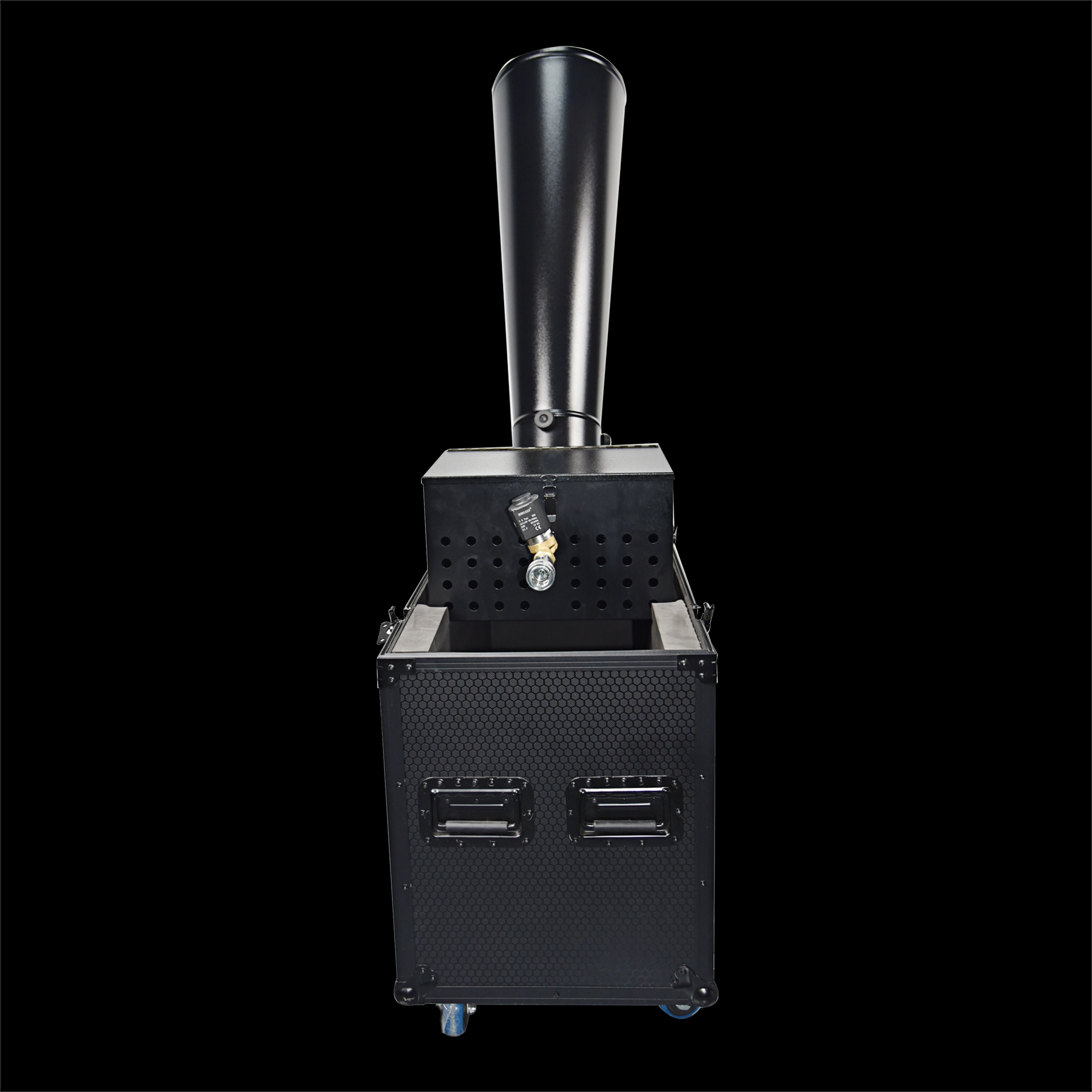
CO₂ Mini Rainbow Confetti Machine Manual Control with Durable Black Wheeled Flight Case
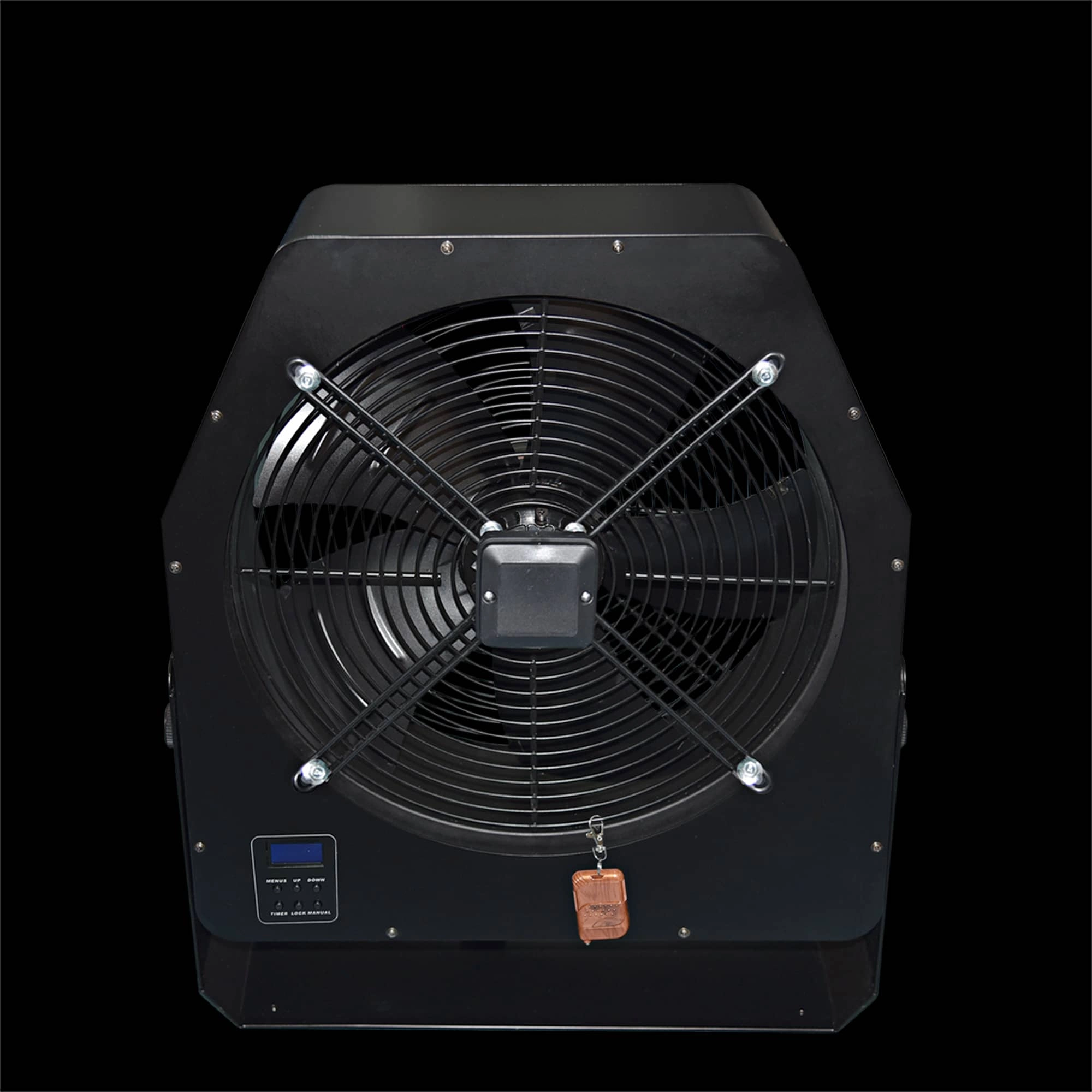
Professional Stage Big DMX Fan | High-Power Event Fan for Stage Shows & Celebrations
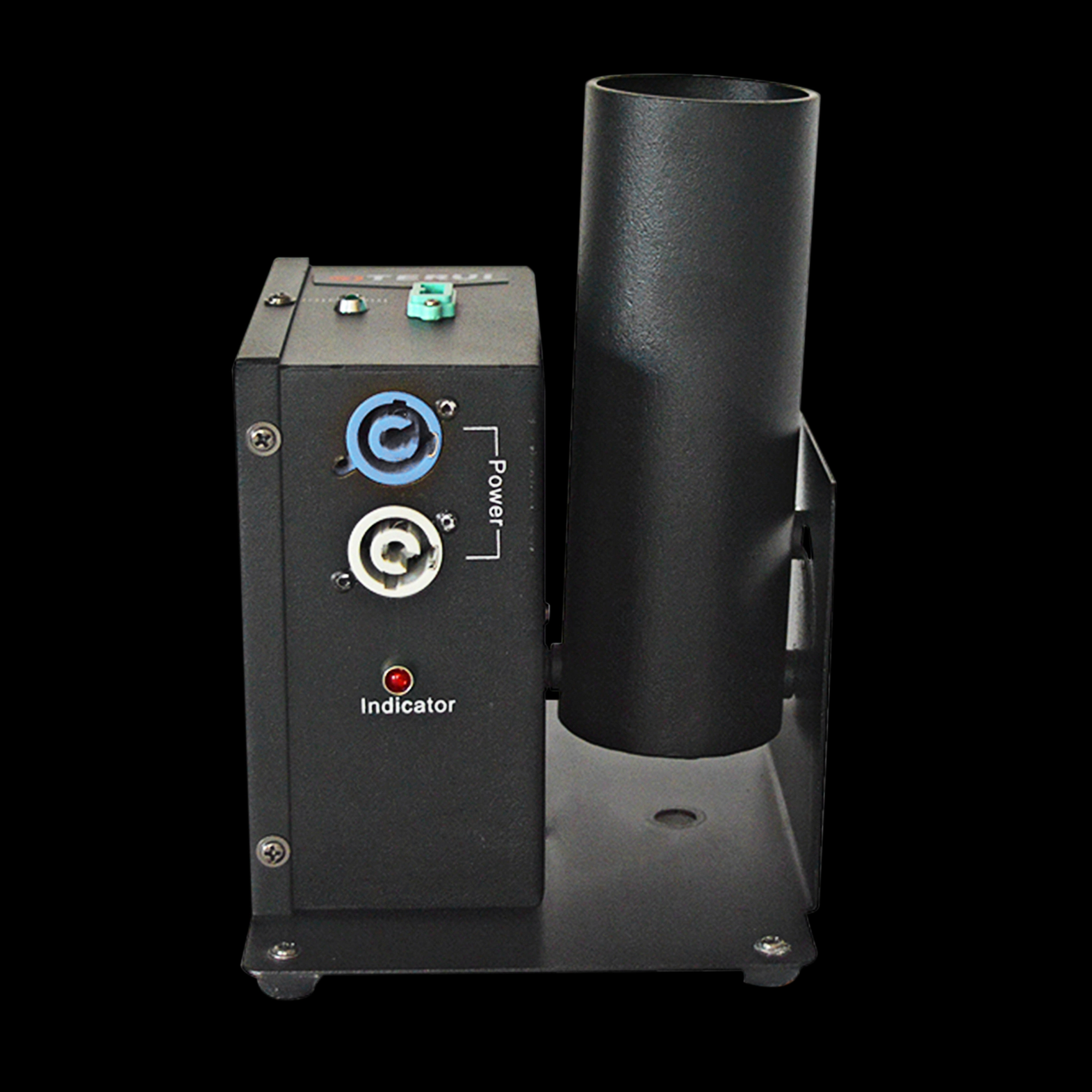
Single Shot Confetti Machine - Premium Confetti Launcher for Weddings & Stage Celebrations
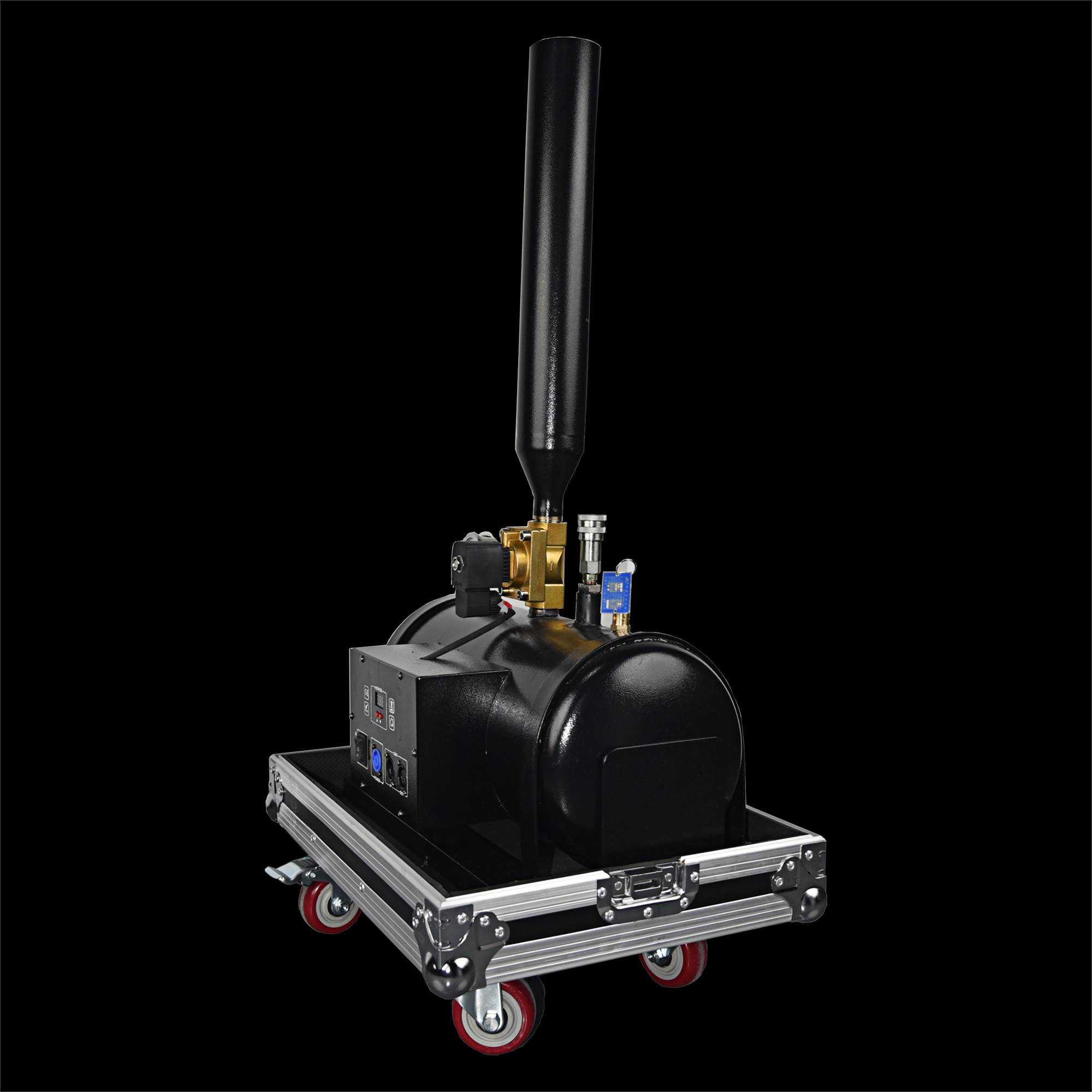
High-Altitude Confetti Cannon - Professional Confetti Blaster for Stage, Party & Celebration Events
Email: sales01@strlighting.com
WhatsApp: +86 189 2232 4800
© 2025 Siterui SFX All Rights Reserved.
 Scan QR Code
Whatsapp: +8618922324800
siteruisfx_stage_equipment
Siterui
SITERUI-SFX
STRlighting
@siterui.sfx