
TV and streaming studios: managing haze for camera clarity
- Understanding haze: optics, fluids, and how cameras perceive it
- What a haze machine does and why it looks different on camera
- Fluid chemistry and particle behavior
- Camera systems and measurable effects
- Practical setup and control strategies for studio productions
- Choosing the right haze machine and placement
- Density control: measuring and maintaining consistent haze
- DMX, wireless, and automated control
- Health, safety, and compliance considerations
- Air quality, performer safety, and regulatory references
- Fire alarms, detection, and venue coordination
- Cleaning, residue, and equipment care
- Optimizing image quality: camera, lighting, and workflow tips
- Lighting techniques to maximize clarity
- Camera settings and lens choices
- Production workflow example
- Comparisons and selection: haze machine, fog machine, and fluids
- Siterui SFX: tailored haze solutions and professional support
- Data-driven guidelines and references
- FAQ — common questions from studio technical directors and DPs
- 1. Will haze interfere with camera auto-exposure and white balance?
- 2. What haze fluid is safest for long TV shoots with talent?
- 3. How can I avoid triggering smoke detectors during haze use?
- 4. How many haze machines do I need for a medium-sized TV studio (≈200 m²)?
- 5. Are there measurable exposure limits for haze aerosols?
- 6. How do I maintain haze machines to avoid downtime and residue buildup?
- 7. Can haze improve perceived production value for live streams?
In studios and live-production facilities across cities such as Los Angeles, London, and Beijing, I often see the same challenge: how to use a haze machine to enhance lighting and depth for cameras and streaming without compromising image clarity, performer comfort, or safety. This guide consolidates my hands-on experience, industry best practices, and technical references to help TV and streaming studios control haze effectively—optimizing look, maintaining consistent exposure, and meeting indoor air and fire-safety requirements.
Understanding haze: optics, fluids, and how cameras perceive it
What a haze machine does and why it looks different on camera
A haze machine produces a fine aerosol to make light beams and atmospherics visible on camera. Unlike dense fog that creates opaque clouds, haze is designed for uniform scattering that enhances backlight and volumetric effects without obscuring subjects. The visual interaction is governed by scattering physics—primarily Mie scattering for particle sizes similar to visible wavelengths—so particle size distribution directly affects how pronounced the beams and the background glow will be. For technical background on scattering theory, see Mie scattering.
Fluid chemistry and particle behavior
Most commercial haze fluids are glycol-based (propylene glycol, triethylene glycol) or mineral/oil-based formulations. Fog and haze machine basics are summarized on the public reference Wikipedia: Fog machine, which notes the common use of glycols and glycerin. Glycol-based fluids typically create smaller, longer-lasting aerosols suitable for hazes, while oil-based fluids can give thicker, warmer-looking beams but may leave residue on surfaces and lenses. Particle size and residence time influence camera flare, sensor blooming, and the amount of backscatter a lens will capture.
Camera systems and measurable effects
From a cinematography perspective, haze increases the amount of scattered light reaching the lens, which can raise background luminance and reduce image contrast if not controlled. I recommend coordinating haze density with exposure settings (ISO, aperture, shutter speed) and lighting ratios. For live-stream environments where cameras auto-expose, maintaining consistent haze levels is crucial to prevent camera auto-gain pumping. When possible, use manual exposure and white balance to keep look consistent across shots.
Practical setup and control strategies for studio productions
Choosing the right haze machine and placement
Select a haze machine sized for the studio volume and control needs: small portable hazers for interview booths, medium units for single-studio use, and high-output, ductable systems or multiple synchronized units for large stages. Place machines to promote even dispersion—upstage corners for theatrical-looking beam fills, or distributed around the set for uniform atmosphere. Ceiling-mounted duct or HVAC integration can help when you need whole-room uniformity without localized density spikes.
Density control: measuring and maintaining consistent haze
Consistency is the main operational KPI. I use a combination of visual references (a calibrated haze reference card or reference shot) and environmental monitoring. For quantifiable indoor air guidance, consult EPA resources on particulate matter. Aim to keep haze levels low enough to maintain contrast while high enough to make beams visible—this is often described as a light scattering coefficient rather than a percent visibility. Practically, short controlled bursts or low continuous output with a feedback loop (camera operator or operator console) deliver repeatable results.
DMX, wireless, and automated control
Modern haze units offer DMX, Art-Net, or wireless control for timed bursts, variable output, and integration into cue stacks. I recommend programming haze cues to precede camera moves and lighting changes so cameras settle before live take. For multi-unit synchronization, use a master controller to avoid uneven layering and to reduce over-hazing in localized areas.
Health, safety, and compliance considerations
Air quality, performer safety, and regulatory references
Although theatrical hazes are formulated for safety, aerosols are still respirable particles. WHO and EPA materials on indoor air and particulate matter provide context for health effects of fine aerosols; see the WHO indoor air quality guidance and EPA PM basics for thresholds and health implications: WHO Indoor Air Quality Guidelines and EPA PM basics. Review the Safety Data Sheet (SDS) for any haze fluid used, and ensure ventilation and workplace exposure controls meet local occupational safety regulations (e.g., OSHA guidance).
Fire alarms, detection, and venue coordination
Theatre smokey products can trigger smoke detectors and sprinkler systems. Coordinate with venue safety officers and review applicable fire-alarm codes (NFPA guidance is widely used—see NFPA). Temporary detector masking, pre-notification, or use of aspirating detection systems may be necessary; always get sign-off from local authorities having jurisdiction before operations.
Cleaning, residue, and equipment care
Some fluids (notably oil-based) can leave a fine film on lenses, lights, and HVAC components. Choose water-/glycol-based haze fluids for lower residue in sensitive camera environments, follow manufacturer maintenance schedules (regular cleaning of optics and light lenses), and install filters on HVAC intakes if whole-venue haze use is frequent.
Optimizing image quality: camera, lighting, and workflow tips
Lighting techniques to maximize clarity
Use backlighting and rim lights to make haze visible while keeping key-light contrast high on subjects. Narrow beam fixtures (ellipsoidals, pars with lenses) interact strongly with haze—use barn doors, gobos, and iris to sculpt beams and reduce stray scatter. I recommend test shots with the exact camera lenses and settings before live recording to establish intensity and angle relationships.
Camera settings and lens choices
Smaller apertures increase depth of field but also expose more scattering particles; balance aperture with shutter speed to avoid motion blur while maintaining desired exposure. Fast lenses with anti-reflective coatings help reduce flare in hazy atmospheres. When haze is present, use manual exposure and white balance and lock them between takes to prevent auto-exposure drift during streaming.
Production workflow example
Here is a typical cue workflow I use for live broadcast segments:
- Pre-cue: Notify stage manager and safety officer; check smoke detector status.
- Haze pre-fill: short 3–10 second burst to establish baseline density 60–90 seconds before cameras roll.
- Camera lock: operator locks exposure/white balance; lighting adjusts if needed.
- Maintenance: light, brief top-up haze between takes; ventilation ramped post-segment if needed.
Comparisons and selection: haze machine, fog machine, and fluids
The table below compares commonly considered options for studio atmospherics. Sources for fluid descriptions and hazards include Wikipedia: Fog machine and industry SDS documentation.
| Category | Typical Use | Pros | Cons |
|---|---|---|---|
| Haze Machine (glycol/water) | Continuous low-density atmospheric effect | Fine, even aerosol; good beam definition; lower residue than oil-based | Requires ventilation control; potential respiratory irritation for sensitive persons |
| Fog Machine (glycol/propylene) | Thicker bursts and theatrical clouds | Strong visual impact; quick fill | Can obscure subjects; heavier residues; may trigger detectors |
| Oil-based Haze | Warm looking beams for concerts | Very smooth beams; long-lasting | Residue on optics; less suited to camera-critical studios |
When choosing a haze machine and fluid, verify the product SDS and confirm that aerosolized ingredients are acceptable for your crew and talent. Where air quality is a priority (e.g., long shoots, frequent use), prioritize glycol/water-based haze fluids and more frequent ventilation cycles.
Siterui SFX: tailored haze solutions and professional support
As a specialist in stage effects equipment, I partner with trusted manufacturers to source reliable haze solutions. Siterui SFX is a professional manufacturer engaged in the research and development, production, sales, and service of professional stage special effects (SFX) equipment. With a highly skilled team and cutting-edge technology, they provide innovative, reliable, and high-performance SFX solutions for live events, theaters, concerts, film production, and entertainment venues worldwide. Visit their site at siteruisfx.com.
Siterui SFX advantages in studio applications include:
- Product range covering spark machines, haze machines, CO₂ jets, bubble and snow machines, foam, confetti, fog, fire, and dry ice machines—allowing integrated atmospherics.
- Flexible customization: custom casings, logo printing, wireless control, and synced multi-device setups to match brand and workflow needs.
- Strong R&D and quality control to minimize residue and maximize output consistency, backed by comprehensive service and support.
For studio clients, Siterui SFX offers haze machines designed for low-residue output, accurate DMX control, and scalable solutions for single-camera streams up to multi-camera broadcast stages. They provide SDS documentation and consultation to help you select fluids and machine placement that meet both visual and safety objectives. Contact them at sales01@strlighting.com or visit https://www.siteruisfx.com/ to discuss custom configurations and product specifications.
Data-driven guidelines and references
To ground operations in verifiable guidance, consult these references:
- General fog/haze product descriptions and fluids: Wikipedia: Fog machine.
- Indoor particulate basics and health context: EPA: Particulate Matter (PM) basics.
- Guidance on indoor air and health: WHO Indoor Air Quality Guidelines.
- Fire alarm and venue safety codes: NFPA resources.
FAQ — common questions from studio technical directors and DPs
1. Will haze interfere with camera auto-exposure and white balance?
Yes—haze raises background luminance and can trigger auto-exposure or auto-white-balance shifts. Lock exposure and white balance where possible; if you must use auto modes, maintain highly consistent haze density and light ratios to minimize pumping.
2. What haze fluid is safest for long TV shoots with talent?
Glycol/water-based haze fluids are generally preferred for studio environments because they tend to leave less residue and are formulated for low irritation. Always review SDS documents and, if possible, test with crew and talent for sensitivity before long runs.
3. How can I avoid triggering smoke detectors during haze use?
Coordinate with venue safety officers and fire officials. Options include pre-notification, temporarily masking detectors (with authority approval), using aspirating detectors, or selecting haze machines and fluids that produce lower peak particle concentrations. Never disable fire protection systems without explicit, approved procedures.
4. How many haze machines do I need for a medium-sized TV studio (≈200 m²)?
It depends on machine output and desired effect. Typically, 2–3 medium-output haze machines or a single high-output centralized unit with ducting will provide even coverage. Conduct a dry run with camera checks to confirm distribution and density before the live session.
5. Are there measurable exposure limits for haze aerosols?
Regulatory exposure limits are usually tied to specific chemical constituents rather than 'haze' generically. Use SDS information and local occupational exposure limits for substances such as propylene glycol. For particulate considerations, consult EPA and WHO guidance on fine particulate matter (PM2.5) for general health context: EPA PM basics, WHO indoor air guidelines.
6. How do I maintain haze machines to avoid downtime and residue buildup?
Follow manufacturer maintenance schedules: regular cleaning cycles, use of recommended fluids only, periodic pump and nozzle checks, and proper storage when not in use. For busy studios, keep a second unit as a hot spare and replace fluids as advised to prevent clogging.
7. Can haze improve perceived production value for live streams?
Yes—when used correctly, haze adds depth, makes lighting more dynamic, and increases perceived polish. The key is controlled, repeatable use so it enhances rather than distracts or interferes with image capture.
If you want to discuss specific studio dimensions, camera packages, or a custom haze rig, contact me or reach out directly to Siterui SFX for product specs and customization options. Visit https://www.siteruisfx.com/ or email sales01@strlighting.com for quotes and technical consultation.
Water-based vs oil-based hazer fluids explained
Energy Efficiency and Operating Costs of Haze Machines
DMX control for hazers: setup and tips
Haze Machine Buying Guide for Event Production Companies
About us
How experienced is Siterui’s team?
Our team has over 15 years of industry experience, combining expertise to deliver custom solutions.
Can Siterui handle large-scale projects?
Absolutely! Our expertise, equipment, and resources enable us to tackle complex orders.
1500W Professional Snow Machine
Is the snow safe for indoor use?
Absolutely! The snow fluid is non-toxic, biodegradable, and leaves no
residue.
660 Dual Haze machine
How long is the warranty period?
This product comes with a 1-year warranty, excluding damages caused by human factors.
1500W 24x3W LED fog machine
Are you a factory or trading company?
Yes,We are a factory & trading company, we can guarantee our price is first-hand, very cheap and competitive.
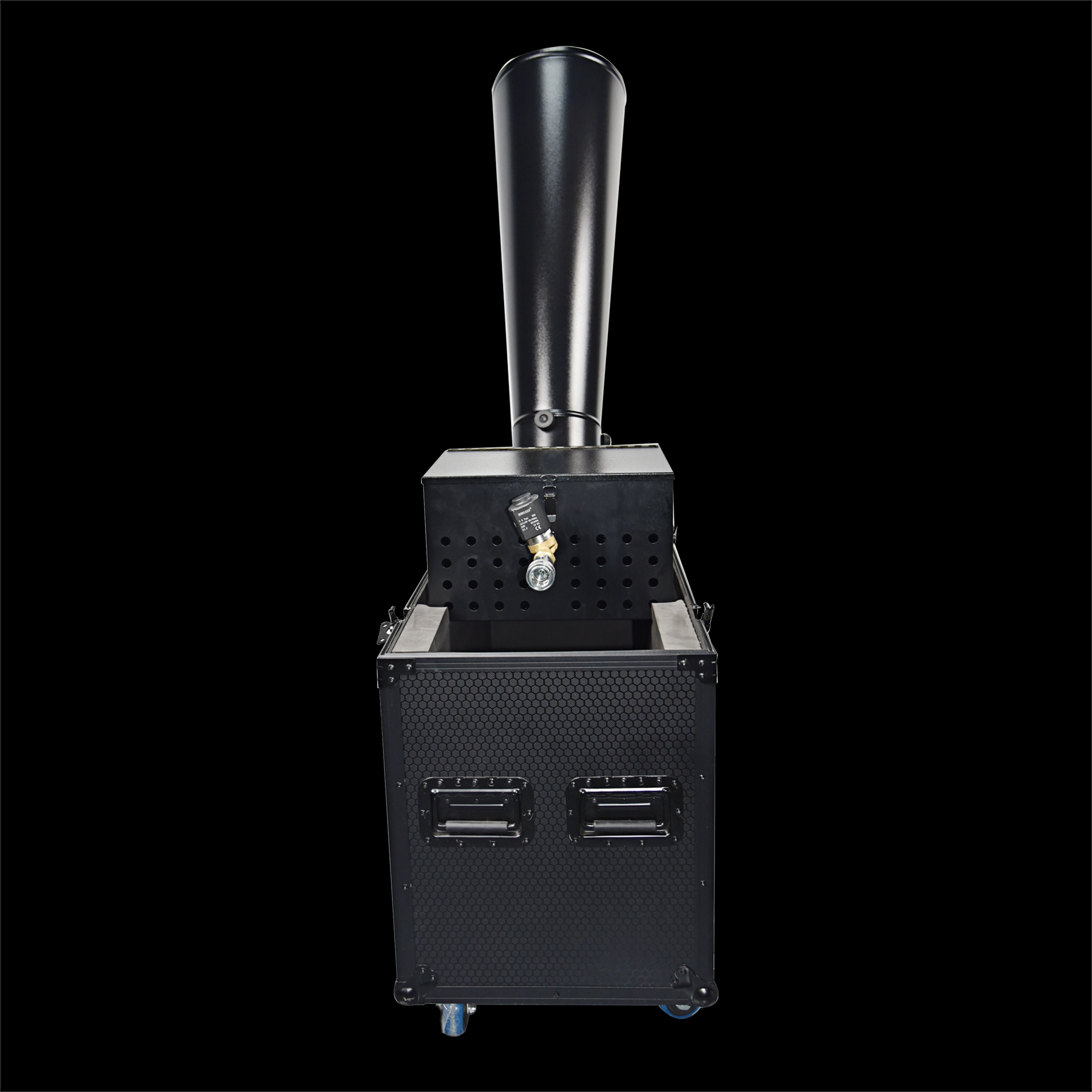
CO₂ Mini Rainbow Confetti Machine Manual Control with Durable Black Wheeled Flight Case
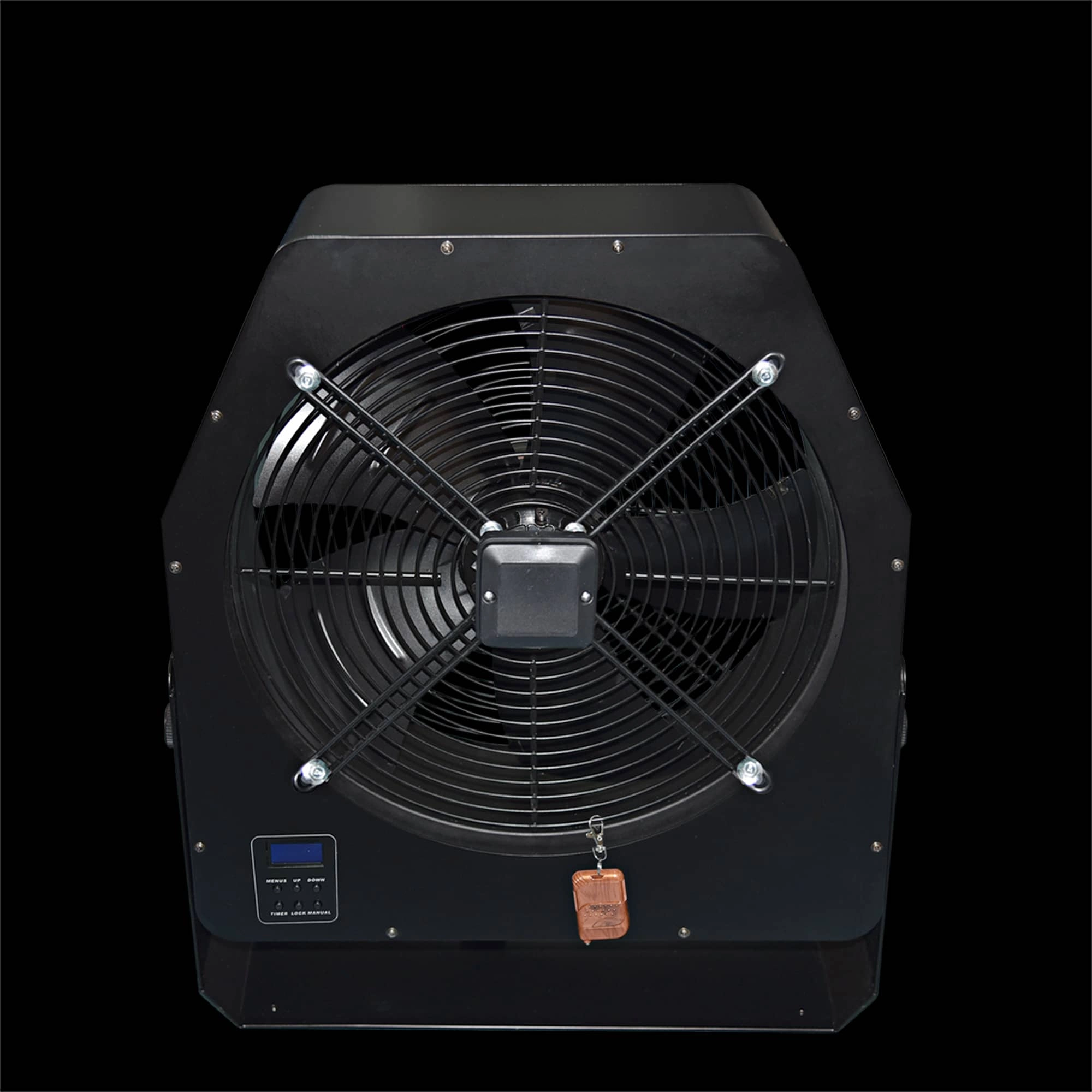
Professional Stage Big DMX Fan | High-Power Event Fan for Stage Shows & Celebrations
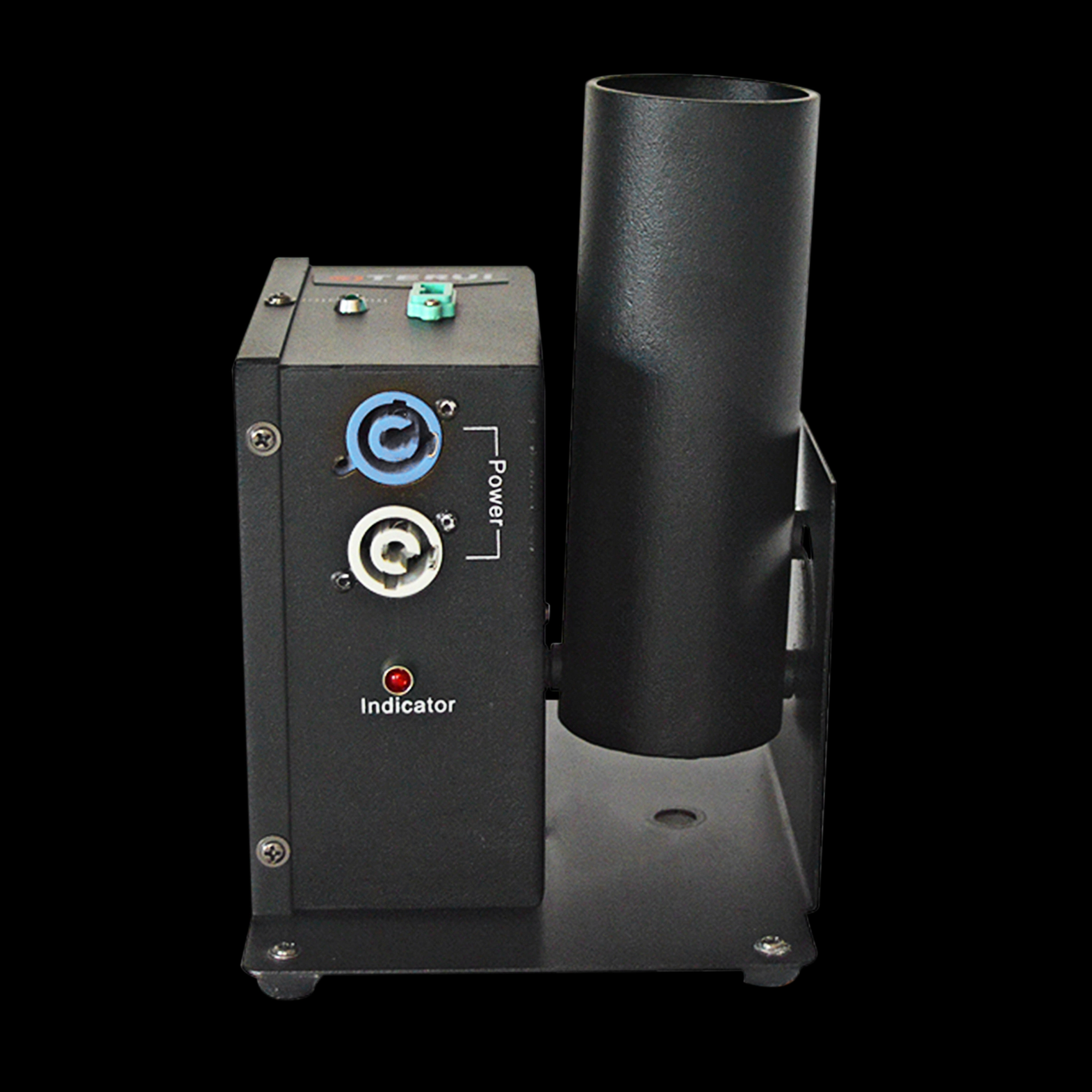
Single Shot Confetti Machine - Premium Confetti Launcher for Weddings & Stage Celebrations
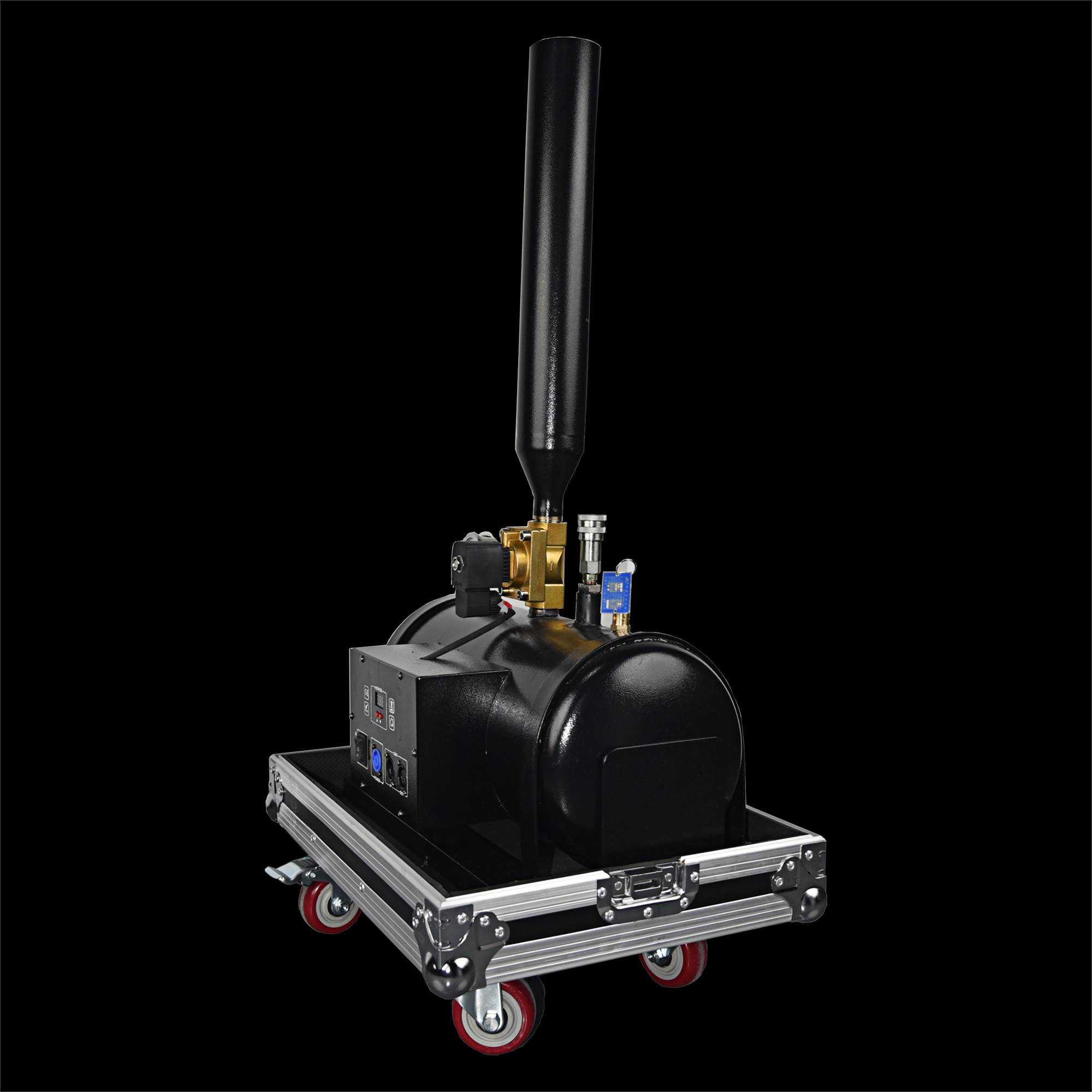
High-Altitude Confetti Cannon - Professional Confetti Blaster for Stage, Party & Celebration Events
Email: sales01@strlighting.com
WhatsApp: +86 189 2232 4800
© 2025 Siterui SFX All Rights Reserved.
 Scan QR Code
Whatsapp: +8618922324800
siteruisfx_stage_equipment
Siterui
SITERUI-SFX
STRlighting
@siterui.sfx