
what is the best quiet haze machine for film and theater production? | Insights by Siterui SFX
1) For quiet film sets with strict sound requirements, how do I specify a haze machine that stays under ~40 dBA at talent positions without losing consistent haze output?
Answer:
A practical spec to aim for is a measured sound level of 35–45 dBA at 1 m from the haze machine head when on nominal output. (Manufacturers report noise at the unit; measure on-set with a calibrated sound meter or smartphone app validated against a reference meter.) To achieve that without compromising continuous haze output:
- Prioritize fan-isolated designs: low-noise hazers use slower, larger-diameter fans and engineered impellers or axial fans with acoustic housing. These reduce broadband noise compared with small high-RPM blowers.
- Use remote placement plus ducting: place the machine in an equipment room or behind a wall and route a flexible acoustic duct to the stage. Each 1 m of ducting plus bends attenuates fan noise; sound drops ~6–10 dB per doubling of distance (inverse-square rule in free field) and additional attenuation from building structure.
- Acoustic enclosures: purpose-built sound enclosures lined with open-cell foam and intake/exhaust mufflers reduce mechanical noise significantly; ensure the enclosure doesn’t restrict airflow (monitor intake temperature).
- Variable output control: use a unit with fine-grain DMX or analog control so you can lower machine output and compensate by adjusting lighting angles or using multiple low-output units to achieve even haze without a single high-noise source.
- Validate on-location: ask manufacturers for in-situ dB curves or a factory noise report. Insist on on-set testing in a rehearsal before principal photography.
Why 35–45 dBA? Many dialogue scenes require very low ambient sound; 40 dBA is roughly a whisper in a quiet room and generally acceptable for interior dialog takes when the machine is not next to actors. If you need lower than 35 dBA, you must use remote/ducting solutions or very slow fan designs and accept a larger footprint or reduced continuous output.
2) Which haze fluid chemistry is best for film and theater to minimize residue on lenses and instruments while preserving long hang time?
Answer:
Fluid choice affects hang time, residue, safety, and camera behavior. Two mainstream fluid chemistries dominate stage/film: mineral oil (a.k.a. oil-based hazers) and propylene glycol/water (glycol/water or water-based hazers). Key differences:
- Mineral oil (low-viscosity paraffinic/mineral oil): produces very fine droplets that can yield long hang times (useful for theater where HVAC is moderate). Mineral oil hazes tend to leave minimal visible residue on lighting fixtures when used correctly, but can be of concern for some camera gear if not cleaned periodically; always follow MSDS and manufacturer cleaning guidance.
- Glycol/water (propylene glycol/glycerin mixes): evaporative component shortens hang time relative to oil in dry air but is preferred by some film crews because formulations can be tuned for camera-friendly scattering and quick clearance between takes. Glycols are hygroscopic and can leave a slight tacky film if overused and if ventilation is poor.
Best practice:
- For long continuous theatre runs where you need sustained atmosphere and minimal clearing, mineral oil hazers are frequently chosen for longer hang time and less frequent fluid use.
- For film shoots requiring rapid scene-to-scene clearing and minimal optical artifacts on lenses, choose a high-quality water/glycol haze labeled as camera-safe by reputable manufacturers and always test on camera at the intended aperture and lighting.
- Use distilled water and manufacturer-recommended fluids only. Mixing or using cheaper fluids increases risk of residue, clogging, and sensor contamination.
- Follow MSDS and have a cleaning schedule for lenses, LEDs, and moving heads. Use anti-static lens wipes and post-shoot cleaning protocols.
Always request a MSDS from fluid suppliers and run camera tests (HD/ARRI/RED/Blackmagic) at intended exposure and diffusion settings before principal photography.
3) For theater productions that need even haze across large stages, how many machines do I need, where should they be placed, and how do I avoid visible haze plumes?
Answer:
Designing even, invisible haze coverage is about machine count, placement, output tuning, and HVAC coordination:
- Calculate coverage: a general rule of thumb for low, even haze is ~1 hazer per 150–300 m² depending on unit output (CFM/l per minute) and theater volume. For detailed designs, request the manufacturer’s coverage maps (some provide cubic meter per hour output) and simulate with stage dimensions.
- Placement: distribute units upstage, downstage, and wings to create overlapping diffusion cones. Elevate machines or route to multiple distribution points to avoid a single source visible to the audience.
- Use low continuous output and multiple units: several low-output quiet machines produce smoother coverage and avoid visible plumes compared to one high-output unit.
- Control and masking: use DMX/RDM zoned control to ramp specific machines during cues; avoid abrupt full-power blasts. Spread ramp times (2–6 seconds) to prevent concentrated bursts that create visible fog bands.
- HVAC coordination: work with venue HVAC to minimize draft across the stage; even gentle laminar flows can break haze into streaks. If HVAC can’t be adjusted, place machines to use airflow rather than work against it—inject haze upstream so the system distributes it.
- Testing and sightline checks: run tests from multiple audience sightlines at performance volume. Adjust machine height and baffling to prevent bloom visible to cameras or front-row patrons.
4) How do I specify and operate a portable, low-noise haze solution for location shoots where AC power is limited or noisy generators are used?
Answer:
Portable location work demands careful power and weight planning and noise control:
- Power: battery-powered hazers or inverter-ready units exist; for professional shoots, a reliable approach is to use a 24–48 VDC battery system or a pure-sine inverter feeding a standard AC hazer. Note: using an inverter adds potential noise and heat; size batteries to provide 2–4x the continuous draw for safety margin.
- Runtime: calculate runtime by dividing battery capacity (Wh) by machine draw (W) plus overhead. Example: a 600 W hazer running at 250 W draw for continuous medium output uses ~3.6 kWh for 12 hours; choose batteries accordingly.
- Noise trade-offs: battery-powered blowers still produce fan noise. Use acoustic mufflers and place the unit in a pelican case with ventilation and an acoustic baffle. Remote ducting to the stage helps.
- Weight and mobility: prioritize compact hazers with split remote heads or lightweight ducting. Check flight/transport rules for fluid and batteries.
- Fuel and fluids: carry only manufacturer-approved fluids and keep spares; have spill containment and MSDS on-site.
- Generator noise: if a generator is unavoidable, position it as far from set as practical; use long, high-quality power runs or quiet inverter generators rated for sensitive electronics and sound-sensitive shoots.
Operational tips: always test the full power chain (generator/inverter/battery) during tech rehearsal to confirm both runtime and noise. Bring a backup power plan and spare fluids.
5) What specific maintenance actions and schedules prevent clogging and extend life for low-noise haze machines used for long runs?
Answer:
A preventative maintenance schedule reduces downtime and preserves quiet operation:
- Daily (during production runs): run the self-clean cycle if provided; top off fluid only with recommended fluids; visually inspect hoses and filters for leaks or blockages.
- Weekly: blow out intake screens and replace inline intake filters as needed; inspect heater/atomizer elements for deposits; check fan bearings for unusual vibration or noise.
- Monthly or every 200–400 hours: perform full unit clean—flush the fluid path with manufacturer-recommended cleaner or distilled fluid; remove and inspect nozzles/atomizers; lubricate mechanical parts only as manufacturer allows.
- Fluids: use only OEM/recommended fluids. Store fluids in cool, dry conditions. Avoid mixing brands; mixed chemistries can cause precipitates that clog nozzles.
- Spare parts: keep spare pumps, nozzles, gaskets, and fuses on hand to minimize downtime. Track fluid consumption and replace seals and diaphragms proactively.
- Recordkeeping: log run hours, fluid batch numbers, and maintenance actions. This supports warranty claims and helps spot trends that could indicate contamination or a failing component.
Proper maintenance also maintains noise performance—bearing wear and clogged atomizers increase fan speeds and turbulence, producing more noise.
6) How do I confirm air quality, crew safety, and regulatory compliance when running continuous haze during long theatrical or multi-day film shoots?
Answer:
Safety and compliance require documentation, monitoring, and communication:
- MSDS and product disclosure: obtain Material Safety Data Sheets for haze fluids and distribute them to production health & safety staff. Use fluids rated for indoor use by reputable manufacturers and avoid unapproved blends.
- Air quality monitoring: for long runs, use a portable particle counter and record PM (particulate matter) and VOC levels when hazers are in use. Compare readings to local occupational exposure limits and venue standards. If in doubt, consult an industrial hygienist.
- Ventilation: ensure venue HVAC provides sufficient air changes per hour for the occupancy and aerosol load. For continuous haze, recommended practice is to supplement with localized makeup air and avoid re-circulation through sensitive areas.
- Crew/performer considerations: notify unions and performers in advance; keep a log of complaint incidents and provide a mitigation plan (e.g., reduce density, increase ventilation, provide breaks, accommodate sensitive individuals).
- Regulatory compliance: check local building codes, fire marshal rules, and union/insurance requirements. Many jurisdictions require pre-notification of continuous atmospheric effects, or limits on aerosolized components.
- Medical and incident plan: have eyewash/first aid kits and a protocol for anyone experiencing irritation. If adverse symptoms occur, reduce haze density immediately and escalate to medical staff.
Combining documentation with routine monitoring and an agreed-on mitigation strategy keeps productions compliant and safe while using continuous haze.
Conclusion — Advantages of Choosing the Right Quiet Haze Machine for Film and Theater Production
Selecting the right quiet haze machine—balanced for low dB operation, correct fluid chemistry, distributed placement, robust power planning, and disciplined maintenance—delivers consistent, invisible atmosphere that enhances light and camera imagery without compromising audio, safety, or equipment. Prioritize units with verifiable noise specs, DMX/control flexibility, manufacturer MSDS-backed fluids, and an established service program. For on-set peace of mind: specify remote placement or acoustic enclosures where needed, perform camera and air-quality tests before principal shoots, and maintain detailed logs for safety and warranty support.
For a tailored recommendation and a quote for quiet, low-residue hazers for theater or film, contact us at www.siteruisfx.com or sales01@strlighting.com. We can provide unit comparisons, coverage maps, and maintenance plans matched to your venue and production needs.
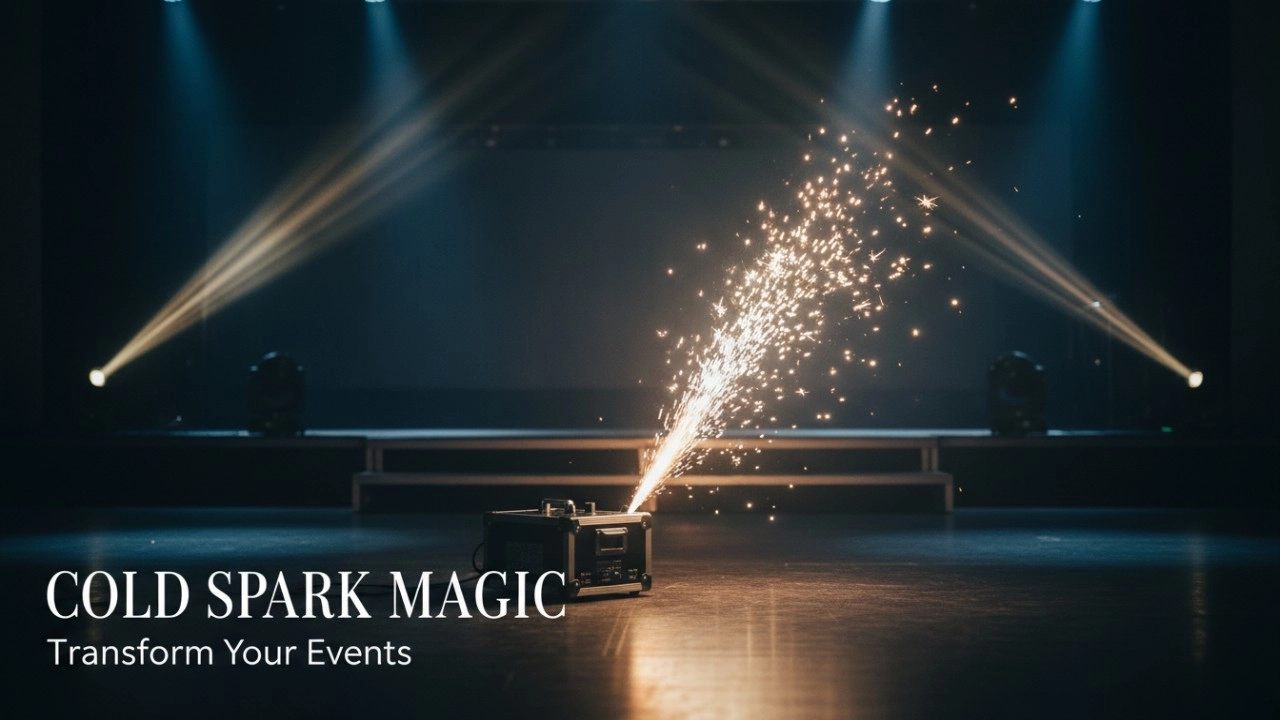
Top 10 Cold Spark Machines for 2026: A Deep Dive into Performance, Powder Life, and Durability

How to Choose a Snow Machine: The Definitive Checklist to Avoid Costly Mistakes (2026 Guide)
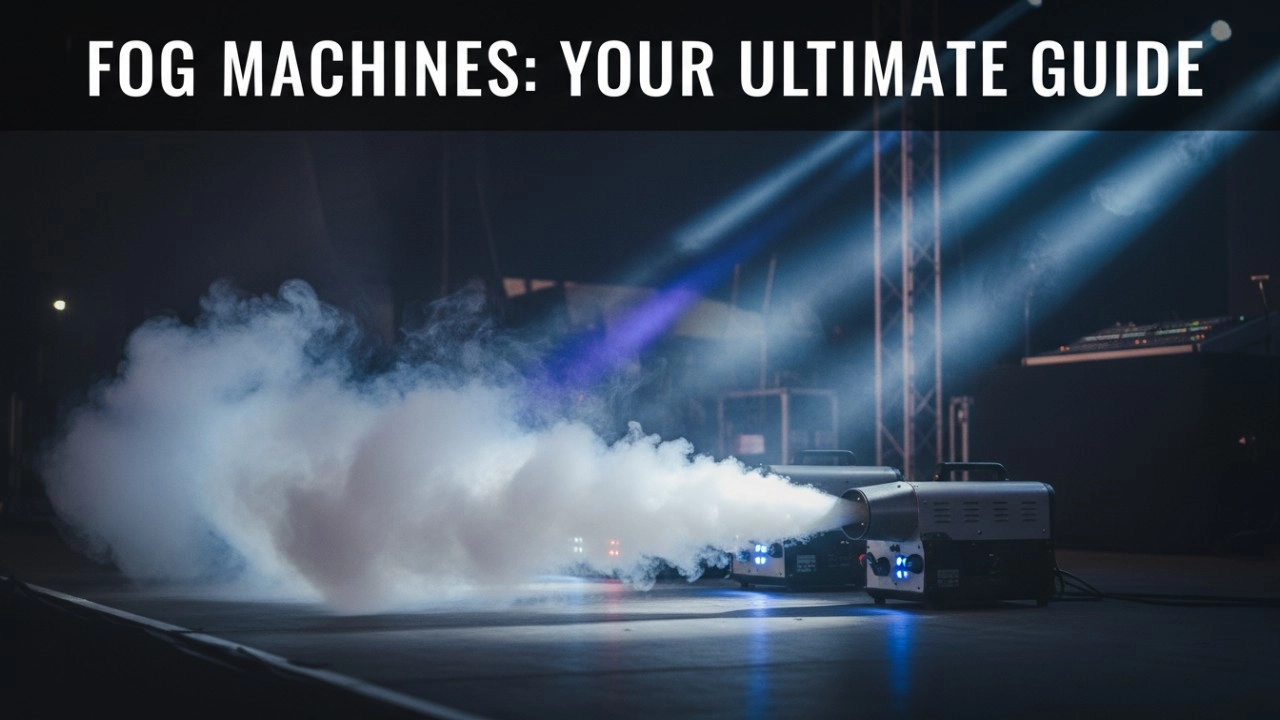
Fog Machines Explained: Technology, Control Systems, and Modern Stage Applications
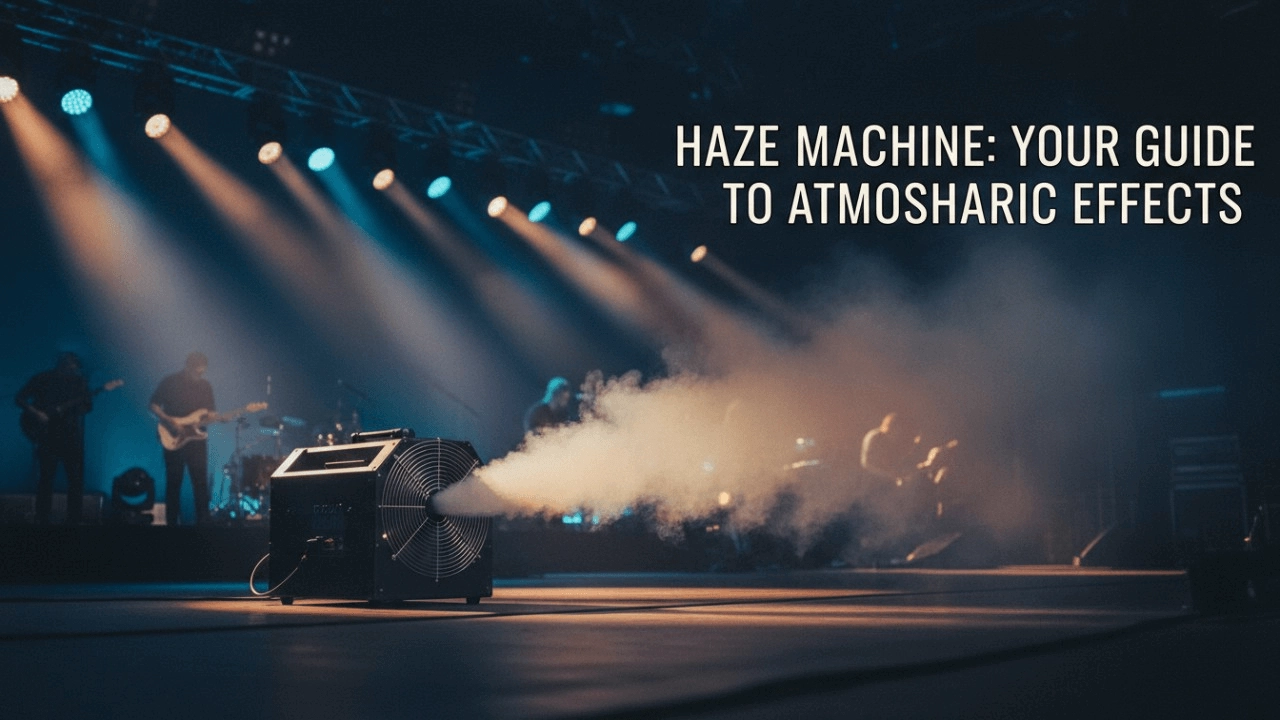
Haze Machines Explained: The Definitive 2026+ Guide to Effects, Selection & Future Innovations
Recommended for you
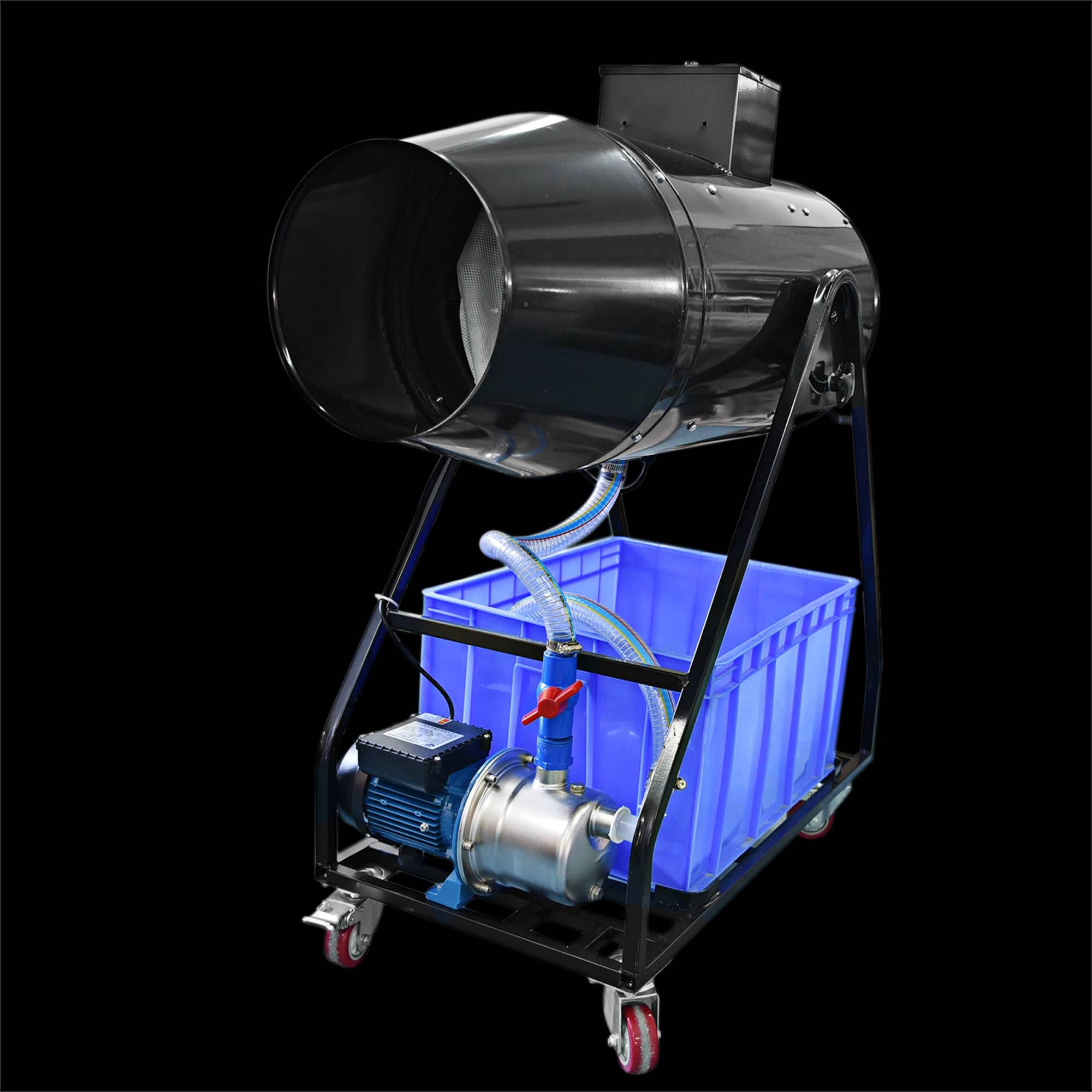
Elevate your event with the Siterui SFX 1800W Spraing Foam Machine. This high-power, professional foam party maker creates dense, vibrant bubbles—perfect for weddings and celebrations. Reliable and easy to use, it’s the foam and bubble machine for unforgettable moments.
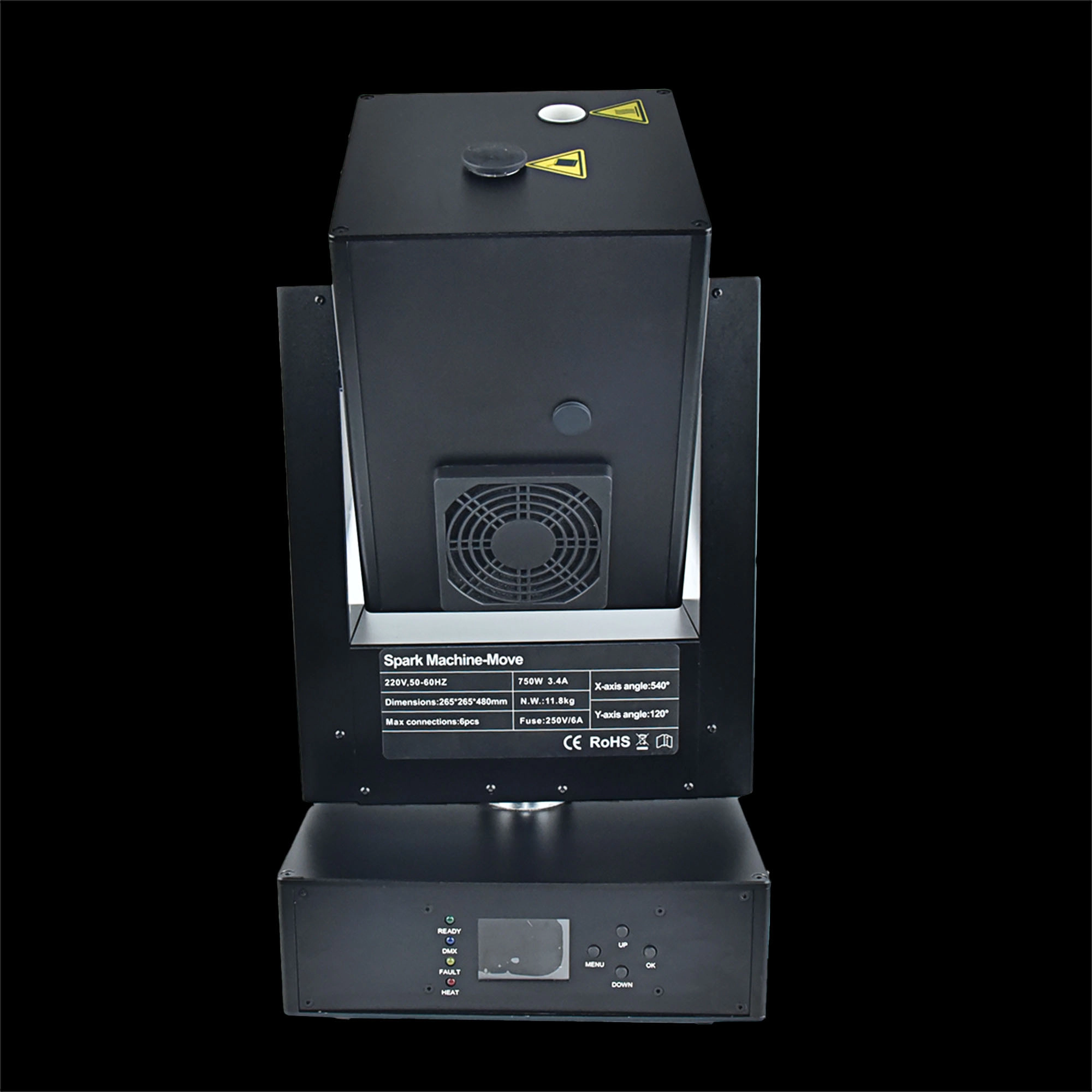
Siterui SFX 750w moving head spark machine delivers high-impact cold-spark effects with 360° moving head, DMX control, adjustable output and safe, long-lasting performance - perfect for concerts, weddings and stage shows.
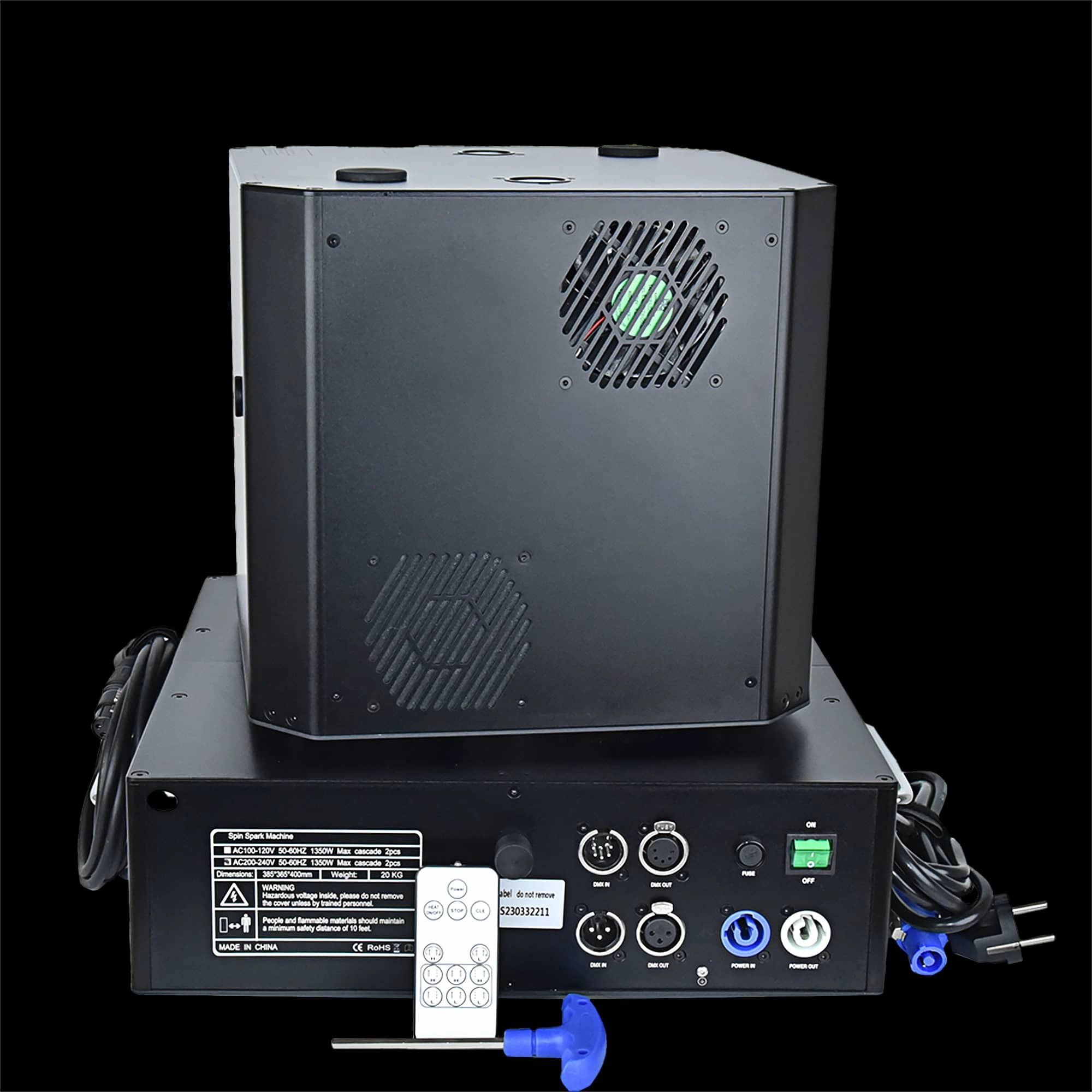
Double head 1300W Spin Spark machine -powerful dual-head 1300W spin spark effect with DMX + remote control for precise timing. Durable, professional-grade pyrotechnic effect ideal for concerts, clubs and events.
Stay Informed or Connect with Us
Have questions about our latest news or updates?
Reach out to us—we're here to provide more insights or media support.
Email: sales01@strlighting.com
WhatsApp: +86 189 2232 4800
© 2025 Siterui SFX All Rights Reserved.
 Scan QR Code
Whatsapp: +8618922324800
siteruisfx_stage_equipment
Siterui
SITERUI-SFX
STRlighting
@siterui.sfx