
How to troubleshoot common cold spark machine problems?
1) Why does my cold spark machine feed jam after ~10 minutes and how do I permanently prevent powder clogs?
Feed jams are the most common pain point for indoor cold spark fountains when used repeatedly during a show. The root causes are almost always powder condition, feeder mechanics, or electrostatic/micron-size issues—not the control system. Troubleshooting and permanent fixes:
- Inspect powder quality and storage: Spark powder sold for cold spark machines must be dry and within the recommended particle-size distribution. Moisture uptake (from humid venues or poor storage) causes agglomeration. Use sealed containers with desiccant packs and silica gel; rotate stock FIFO. If powder feels damp or forms lumps, replace it.
- Check particle-size compatibility: Some machines require a narrow particle range. If you’ve switched powder brands (spark powder, fountain mix), verify manufacturer specs. Powder that’s too fine can compact; too coarse can jam the feeder.
- Anti-static measures: Fine powders can cling and bridge hopper walls because of static. Ensure the machine chassis is properly grounded and use antistatic hoppers or conductive coatings if the venue has low humidity. Do not add liquids or oils to powder.
- Feeder mechanism and clearance: Inspect the feed wheel, auger, or screw for wear or burrs. Adjust feed wheel tension and clearances to manufacturer tolerances. Replace worn drive plates and check bearings—sloppy bearings let powder compact and jam.
- Nozzle/back-pressure check: Partial nozzle blockages increase back-pressure and exacerbate jamming. Remove the nozzle, inspect and clean the nozzle bore and the short downstream channel with a soft brush or compressed dry air (manufacturer-approved pressure). Replace nozzles that show erosion.
- Routine cleaning schedule: Implement a documented cleaning protocol (daily or between runs depending on usage). A quick visual check of the hopper, feed path, and nozzle every 30–60 minutes in heavy shows prevents buildup.
- Environmental control: If shows are in high-humidity climates, use dehumidifiers in storage and staging areas, or dry new batches of powder in a controlled oven per manufacturer guidance (never exceed their recommended temperature).
Actionable checklist to prevent recurrence: use manufacturer-approved powder, store sealed with desiccant, ground unit, check feed geometry, clean nozzle/hopper regularly, and keep spare nozzles and feed parts on hand.
2) How to diagnose and fix intermittent DMX control loss on indoor cold spark fountains?
DMX dropouts can create unreliable cueing—catastrophic during live shows. Diagnose methodically:
- Baseline test: Put the unit in manual/local mode and verify it fires reliably. If manual mode is stable, the issue is DMX/signal related.
- Check physical DMX chain: Inspect cables for damage, use only 2/3-pin or 5-pin DMX-rated cables (as specified), and confirm proper daisy-chain wiring. Replace suspect cables. Ensure there is a single DMX source; multiple controllers can conflict.
- Termination and shielding: Confirm a DMX terminator (120-ohm) is installed at the last fixture in the chain. Use shielded, grounded cables to avoid RF interference from other stage systems (wireless mics, high-power lights).
- Address and protocol: Verify DMX address settings and that the machine and controller use the same protocol mode (e.g., standard DMX mapping vs. manufacturer proprietary modes). Update the fixture mode in the console if necessary.
- Ground loops and earthing: Poor earthing or ground loops can corrupt DMX. Ensure the machine chassis is electrically grounded and, if multiple power distribution boxes are used, phase and earth are consistent. An opto-isolator (available commercially) can help isolate DMX lines.
- Power integrity: Voltage sags or noisy power may corrupt the DMX receiver. Use UPS or dedicated circuits for critical control equipment, and check internal power supplies for failing capacitors or connectors.
- Firmware/compatibility: Check for firmware updates from the manufacturer; older firmware can have bugs in DMX implementation. Apply recommended updates following supplier instructions and test in a controlled environment first.
- Signal testing: Use a handheld DMX tester to inject known-good signals into the machine. If the unit responds to the tester but not the console, the issue is upstream (console, splitter). If it fails to respond to the tester, the machine’s DMX input board may be faulty and should be serviced.
For permanent reliability in fixed installations, use DMX splitters with isolated outputs, maintain cable runs under recommended lengths, and schedule a DMX line test during each changeover.
3) What causes nozzle overheating or uneven spark spread and how do I restore consistent plume width?
Uneven plume width or “hot spots” are typically mechanical (nozzle erosion or asymmetric feed) or material related. Steps to diagnose and fix:
- Inspect nozzle geometry: Nozzles erode over time. Even small eccentric wear changes plume shape. Remove the nozzle and visually inspect the bore for scoring, ovalization, or carbon build-up. Replace nozzles that are out-of-round or have increased bore diameter beyond published tolerances.
- Check feed uniformity: Verify the feeder distributes powder centrally. A worn feed wheel, off-center shaft, or clogged inlet can deliver powder unevenly. Re-center or replace the feed assembly and verify concentricity with a simple run test at low feed rate.
- Airflow and venting: Some designs use airflow or internal fans to shape the plume. Confirm fans run at correct RPM and ducts are free of obstructions. Replace or service any clogged filter screens; uneven airflow produces asymmetrical plumes.
- Confirm powder consistency and packing: Inconsistent powder fills or lumps cause surges. Use the same-approved spark powder, and level hoppers for each run. Pre-mix small batches for long runs to ensure uniformity.
- Nozzle alignment and mounting: Small misalignment (a few millimeters) changes the spread dramatically at stage distances. Verify nozzle mounting bolts and brackets are torqued to spec and the nozzle faces are perpendicular to target direction.
- Measurement and calibration: Use a camera or a simple grid backdrop to visually compare plume shapes across test firings while changing one variable at a time (nozzle, feed rate, powder batch). Document the parameter set that yields an even spread.
Replaceable nozzles are a routine consumable—keep a matched set of spares and log nozzle life in operating hours or firings to preempt uneven performance during shows.
4) How to test and verify safety limits (surface temperatures and spark hot-spots) to satisfy venue/insurer requirements?
Venues and insurers will often require empirical data demonstrating cold spark effects are safe near performers and set pieces. A defensible test protocol:
- Request manufacturer's technical and safety data: Obtain manufacturer test reports, CE compliance documents, MSDS for the spark powder, and recommended safe distances for materials. These often suffice for initial approval.
- Use proper measurement tools: Infrared (IR) thermometers can be misleading on small, moving sparks due to emissivity and averaging. Use fast-response thermocouples (type K) or a calibrated thermal imaging camera with high frame rate to capture peak temperatures. Place thermocouples on representative surfaces (costumes, stage floor, rigging) during a test run.
- Define test scenarios: Run the machine at maximum intended output and at typical show cues, with the same powder and nozzle. Record peak surface temperatures at distances (0.5 m, 1 m, 2 m) and on vertical surfaces that will be in proximity during performance.
- Contact-material testing: For critical set pieces and costumes, perform physical contact tests per venue rules: hold sample materials in the plume for the required exposure time, then inspect for charring, melting, or smoldering. Use identical fabric treatments (coatings, flame-retardants) that will be used in the show.
- Document and certify: Create a test report with measurement methodology, equipment calibration certificates, raw data logs, photos, and video. Present both the manufacturer data and your independent test results to venue safety officers and insurers.
- Operational controls: Even with data, define operational constraints in the risk assessment—max output settings, safe standoff distances, trained operator on site, on/off interlocks, and a fire-watching protocol. Provide a copy of the machine’s maintenance log and spare parts availability.
Properly documented empirical tests (not just vendor claims) considerably increase the chance of venue/insurer sign-off. If you lack calibrated sensors, hire an accredited test lab or specialist rigging/special-effects consultant to produce the report.
5) Electrical faults: Why does my cold spark machine trip the circuit breaker on startup and how can I fix it safely?
Tripping breakers on startup is usually caused by high inrush current, a failing power supply, or a shorted motor/heater circuit. Safe diagnosis steps:
- Check mains compatibility: Confirm the machine’s rated input voltage and current match your venue supply (110–120V vs 220–240V). Using the wrong supply or adapters can cause high currents and trips.
- Inrush current and circuit sizing: Many machines have motors and fans that produce a brief high inrush current. Use a dedicated circuit and avoid sharing with high-startup loads (banks of moving lights or dimmers). If tripping persists, measure inrush with a clamp meter and compare to breaker rating.
- Inspect internal power supply and capacitors: Aging or bulging capacitors and failing power components can draw extra current. A qualified technician should open the unit (power off, unplugged) and inspect for burned traces, swollen capacitors, or discolored connectors.
- Motor/solenoid shorts: If a feeder motor or internal solenoid has shorted windings it will draw large current. Isolate and test the motor with a megger/ohmmeter or temporarily disconnect motor to see if trips cease—only qualified personnel should do this.
- Ground faults and leakage: If current leaks to chassis ground, RCD/RCCB protection will trip. Check for damaged insulation, ingress of powder into electrical compartments, or moisture causing leakage paths. Ensure IP-rated seals and gaskets are intact.
- Use recommended protective devices: For sensitive venues, use a Type C or D breaker matched to inrush characteristics, and consider soft-start modules or inrush limiters if recommended by the manufacturer.
Always isolate power before opening the chassis and follow lock-out/tag-out. If the machine repeatedly trips after checking simple items, return it to an authorized service center rather than operating with untested electrical faults.
6) How to choose the right cold spark machine size and powder type for indoor theater installations with rigging and ventilation limits?
Choosing the correct cold spark fountain for indoor installations requires balancing visual effect, venue constraints, and regulatory compliance. Buy or rent with these considerations:
- Define visual objectives: Determine desired plume height, width, duration, and number of cues per performance. Larger machines produce taller, denser plumes; multiple small units produce distributed effects with more control.
- Check rigging load & mounting: For permanent or flown units, confirm machine weight, center-of-gravity, and mounting points. Use rated clamps and safety cables; consult a rigger for overhead installations. Lightweight, bracket-mount machines are preferable when rigging points are limited.
- Ventilation and residue: Although cold spark powder leaves less residue than pyrotechnics, there is still particulate fallout. Evaluate HVAC intake locations and establish cleaning plans. In tight-backstage areas choose low-residue powder types (ask suppliers for residue analysis/MSDS) and position units to minimize contamination of prop areas or air intakes.
- Noise and comms: Some feeder motors and pumps create mechanical noise. For theatrical shows, select units with low acoustic signature and electronic control via DMX/safe remote to avoid adding extraneous noise.
- Certification and service: For permanent installations, prioritize CE-certified units with published test data, spare-parts availability (nozzles, feed wheels), and local technical support. Machines with field-serviceable components reduce downtime.
- Rental vs purchase calculus: For occasional events, rental from reputable spark machine rental houses reduces capital expenditure and often includes tested powder and trained operators. For frequent use, purchasing a professional-grade cold spark fountain with warranty and local support is typically more economical.
Decision matrix (quick): small/nozzle units = lower residue, lower power, good for theatres; medium units = balanced effect for medium stages; large units = concert/festival use requiring dedicated rigging and power. Always require manufacturer MSDS for powder and a venue-approved risk assessment before installation.
Concluding summary of advantages
Cold spark machines (indoor cold spark fountains) deliver spectacular, low-heat pyrotechnic-like visual effects with lower risk, reusable equipment, and DMX-friendly control. They create dramatic, low-residue plumes suitable for indoor stages where traditional pyrotechnics are impractical—while still requiring correct powder handling, grounding, and documented safety testing. When purchasing choose CE-certified units, confirm spare part availability (nozzles, feeder motors), and ensure the supplier provides MSDS and test reports. For permanent installs prioritize units with proven service networks and manufacturer support.
For a customized quote, rigging advice, or to order CE-certified indoor cold spark fountain units and consumables, contact us at www.siteruisfx.com or sales01@strlighting.com.
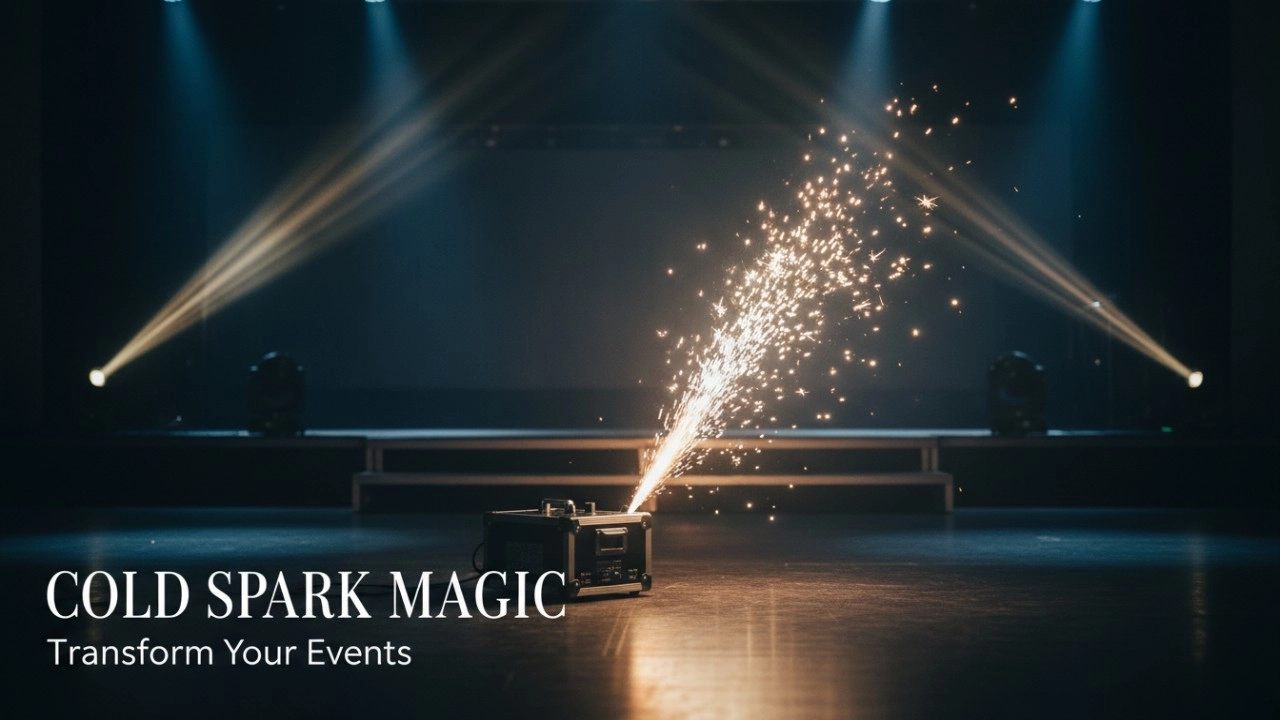
Top 10 Cold Spark Machines for 2026: A Deep Dive into Performance, Powder Life, and Durability

How to Choose a Snow Machine: The Definitive Checklist to Avoid Costly Mistakes (2026 Guide)
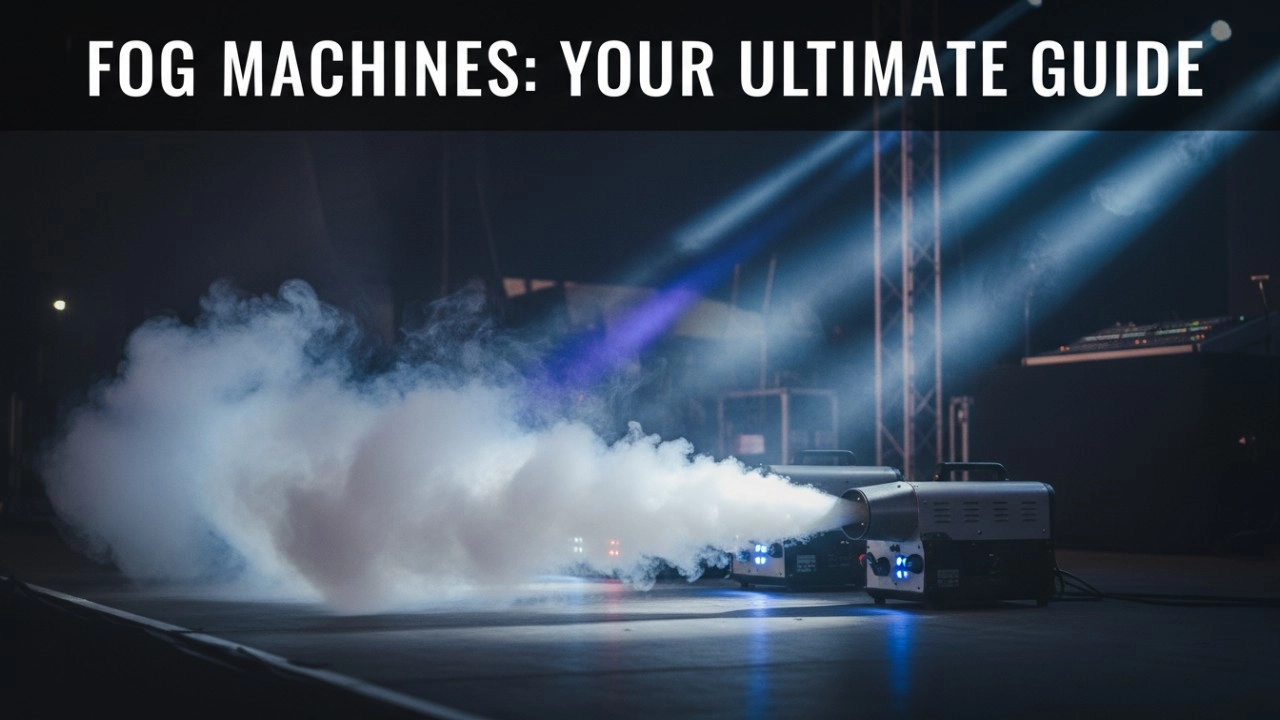
Fog Machines Explained: Technology, Control Systems, and Modern Stage Applications
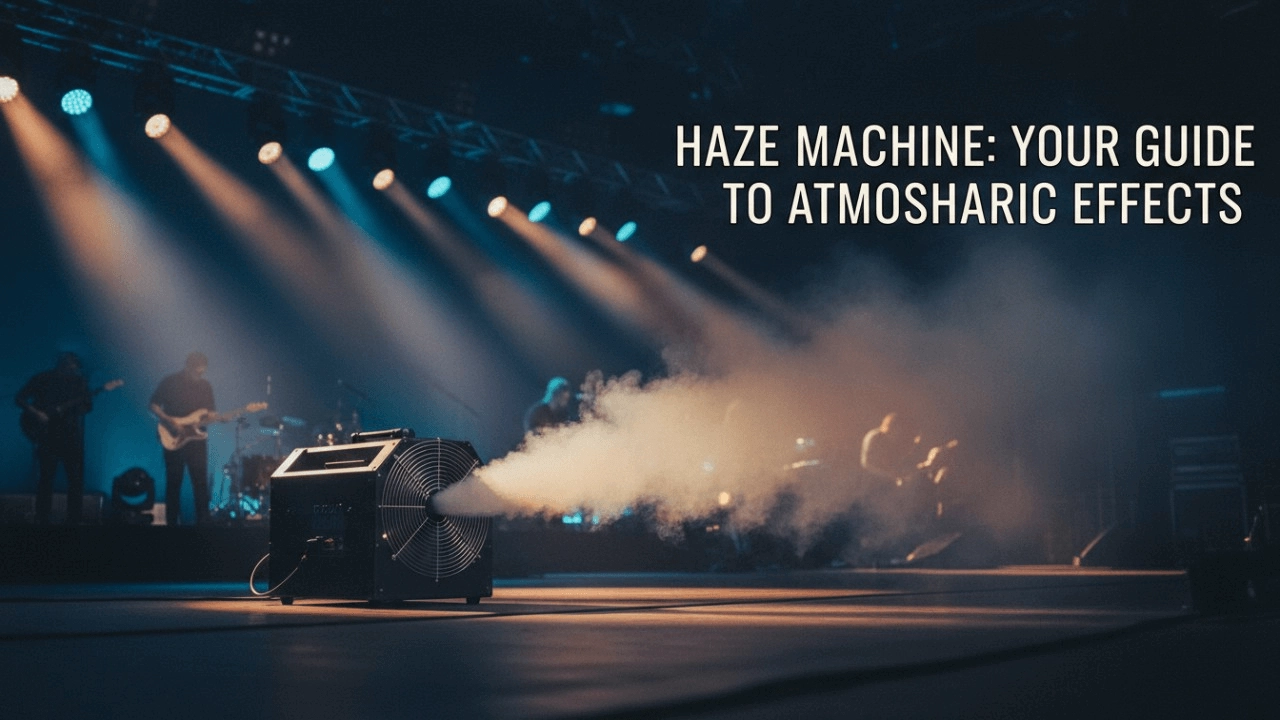
Haze Machines Explained: The Definitive 2026+ Guide to Effects, Selection & Future Innovations
Recommended for you
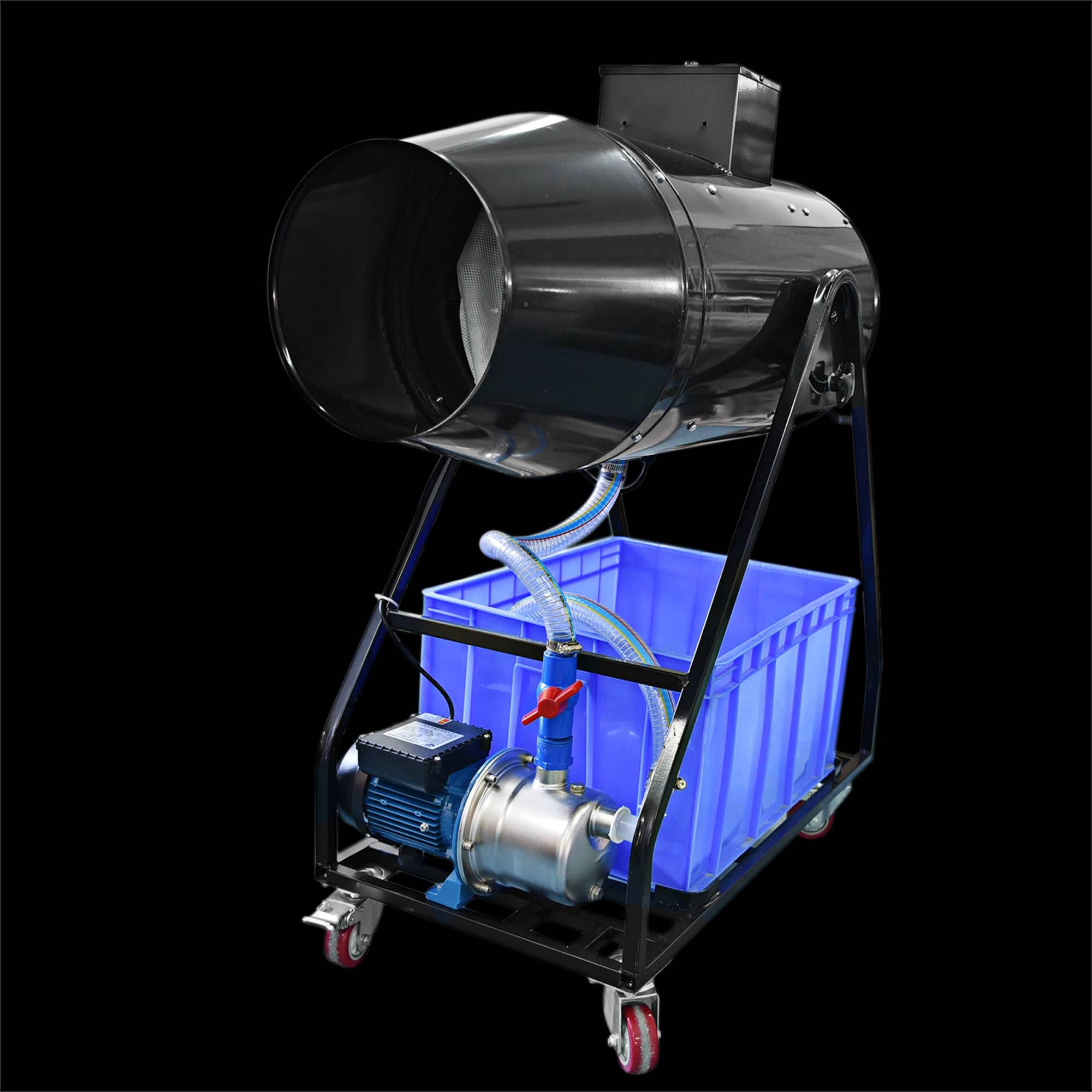
Elevate your event with the Siterui SFX 1800W Spraing Foam Machine. This high-power, professional foam party maker creates dense, vibrant bubbles—perfect for weddings and celebrations. Reliable and easy to use, it’s the foam and bubble machine for unforgettable moments.
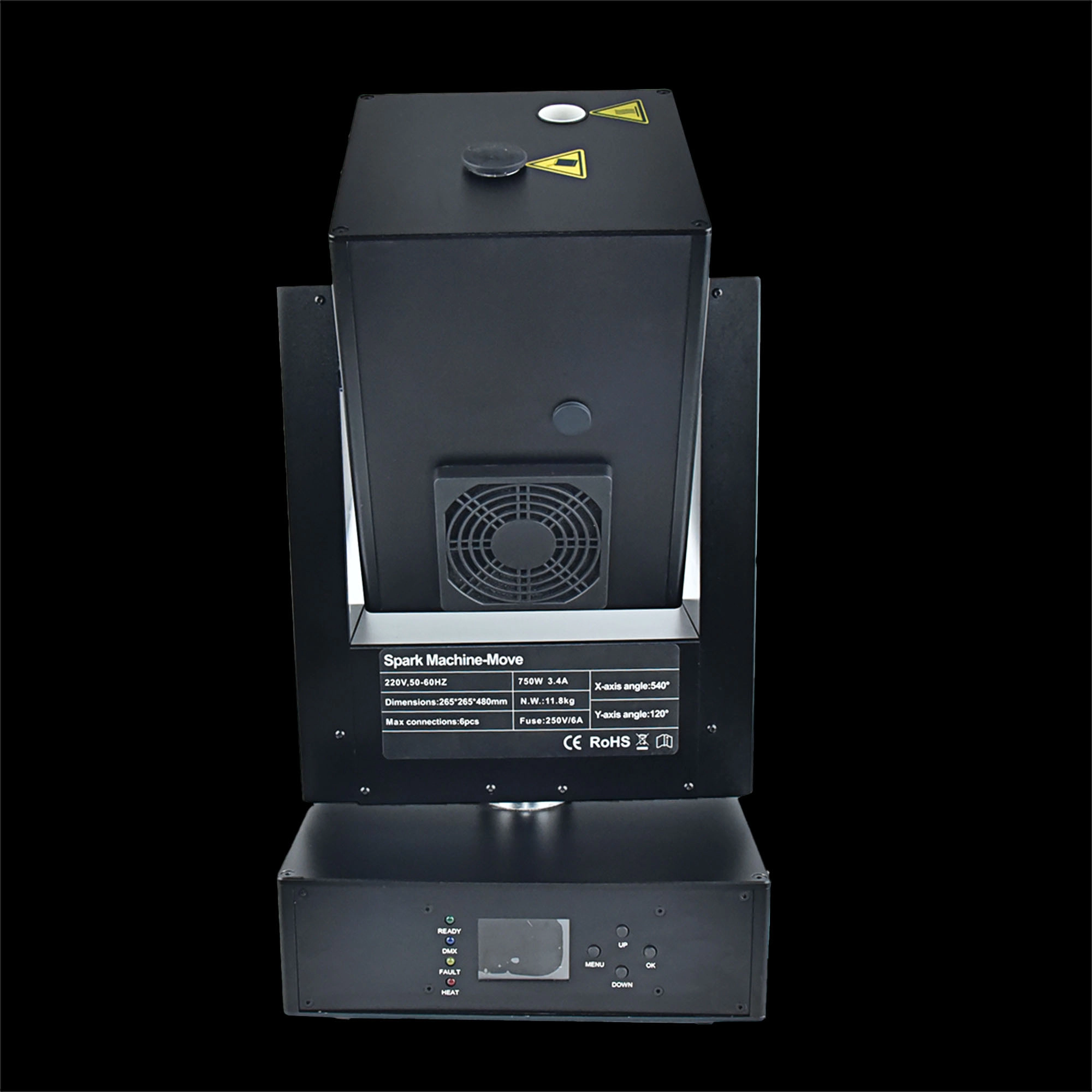
Siterui SFX 750w moving head spark machine delivers high-impact cold-spark effects with 360° moving head, DMX control, adjustable output and safe, long-lasting performance - perfect for concerts, weddings and stage shows.
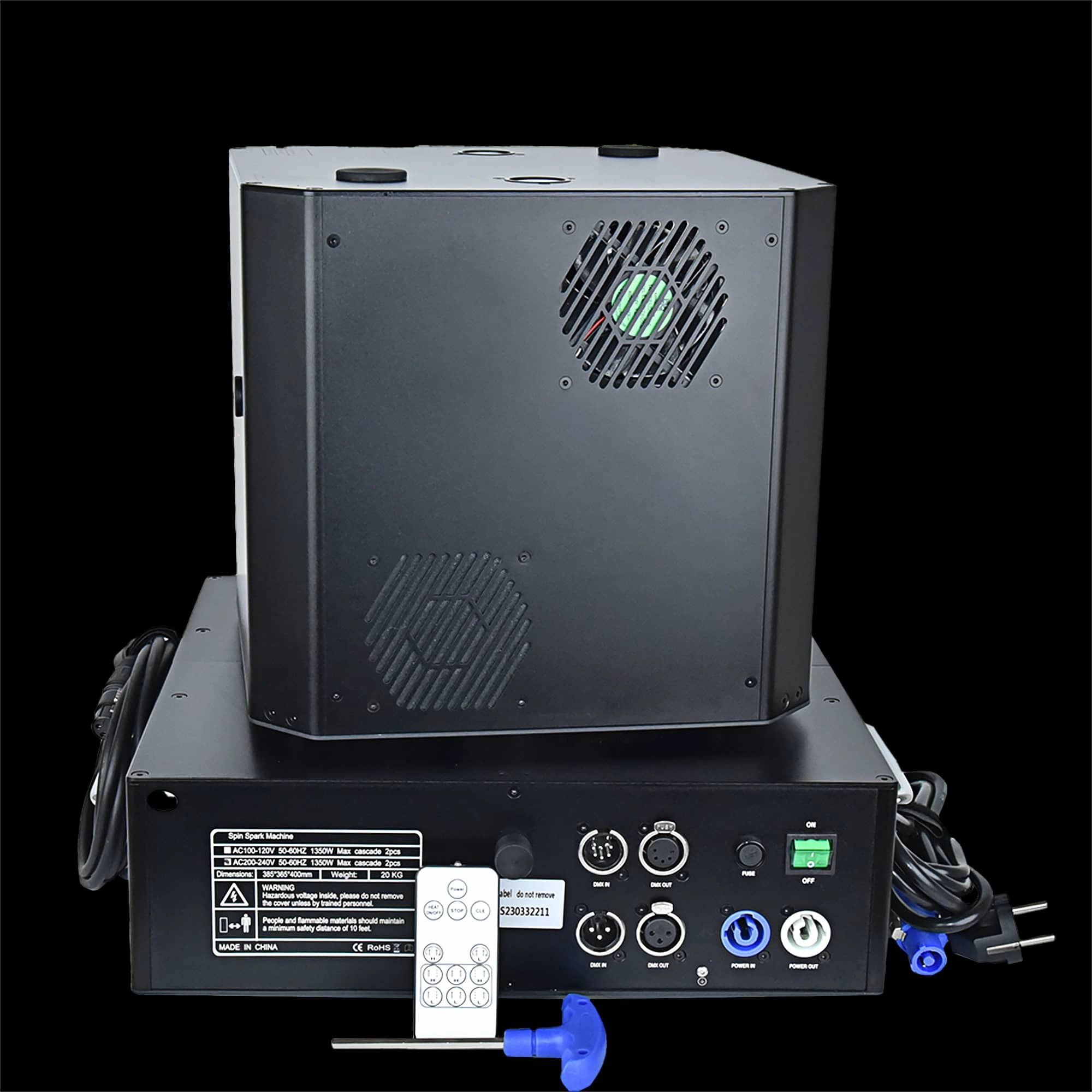
Double head 1300W Spin Spark machine -powerful dual-head 1300W spin spark effect with DMX + remote control for precise timing. Durable, professional-grade pyrotechnic effect ideal for concerts, clubs and events.
Stay Informed or Connect with Us
Have questions about our latest news or updates?
Reach out to us—we're here to provide more insights or media support.
Email: sales01@strlighting.com
WhatsApp: +86 189 2232 4800
© 2025 Siterui SFX All Rights Reserved.
 Scan QR Code
Whatsapp: +8618922324800
siteruisfx_stage_equipment
Siterui
SITERUI-SFX
STRlighting
@siterui.sfx