
Why snow machine output affects audience perception?
1) How do snow flake (particle) size and concentration from a snow machine change perceived realism at different viewing distances and lighting?
Perception of a snowfall effect depends primarily on three measurable variables: particle size distribution (microns for mist/foam; mm for visible flakes), particle concentration (number or mass per cubic meter), and lighting / viewing distance. Smaller droplets reflect light differently than larger foam flakes: droplets act like many tiny specular scatterers (more like fog), while larger foam flakes produce directional scattering and visible motion against backdrops. Audience distance multiplies the effect: at close range (<10 m) individual flakes and drift are visible, so larger, slower-falling foam flakes (3–10 mm) give a convincing tactile look. For mid- to long-range viewing (10–50 m), you need higher particle concentration of mid-size flakes (1–3 mm) so the eye senses volume without resolving individual pieces.
How to apply this practically:
- Ask the manufacturer for particle-size distribution and visual examples (video) at known distances. Vendors who provide high-speed/slow-motion footage are better.
- During pre-rig tests, place calibrated targets at representative distances (front row, mid-house, back) and use the lighting you will run in-show. Record and review on-camera because broadcast cameras perceive contrast and bloom differently than humans.
- Tune concentration by adjusting fluid flow, pump pressure and fan speed. If flakes look like fog under backlight, increase particle size (swap nozzle or foam fluid) or reduce fan velocity to let flakes fall more slowly and hold form.
Why this matters for audience perception: human visual systems detect texture, motion parallax, and light scattering. If particle size and concentration are mismatched to viewing distance and stage lighting, snowfall reads as ‘mist’, ‘foam clouds’ or a broadcast bloom, reducing realism and emotional impact.
2) How do I calculate the number and placement of snow machines for a 1,000-seat theater to achieve believable snowfall without unsafe floor accumulation?
There is no universal “one machine per X seats” rule; you must calculate based on venue volume, desired flake density, and machine output spec. Use this step-by-step method:
- Determine the effective target volume (m3): multiply house footprint (length × width) by the vertical range you want covered (often audience zone + stage plenum height where flakes fall). For instance, a 30 × 40 m house with a desired vertical zone of 6 m equals 7,200 m3.
- Define desired visual concentration: pick a starting benchmark — low (light dusting), medium (visible snow), or heavy (continuous flakes). Use manufacturer guidance for comparable show examples; if unavailable, test to define a particle count/mass you like.
- Obtain machine output spec from data sheet: manufacturers normally provide fluid consumption (L/min), nominal coverage area, or particle mass output. Convert to mass or particle output if possible (ask vendor for lab test or SDS-based density).
- Account for dispersion efficiency (ε): not all output stays in the audience; some is lost to stage, chandelier areas, HVAC removal. Use ε between 0.3–0.7 for initial planning (30–70% effective).
- Compute machine count: machines_required = ceil((desired_concentration × venue_volume) / (machine_output_rate × ε)).
Practical example (conceptual): if your desired effect requires X mass/min and one machine provides Y mass/min with ε=0.5, you need 2X/Y machines. Because parameters vary, always run a full dress test and have 10–20% spare capacity (standby machines) or portable units for tweaks. To avoid accumulation, specify water-based or biodegradable snow fluid that evaporates or breaks down; pre-design drainage and floor protocols with venue operations.
3) Which snow fluid viscosity and pump pressure combinations produce minimal residue and best drift for long outdoor concerts?
Outdoor shows add wind, temperature and humidity variables. Fluid chemistry (glycerin/propylene-glycol vs. polymer/foam blends) and its viscosity determine how a pump and nozzle produce flakes. Lower-viscosity fluids atomize into micro-droplets (longer drift, more evaporation, lower residue). Higher-viscosity foam fluids generate larger foam flakes that fall quickly and may leave residue if not formulated for biodegradability.
Guidance:
- Use manufacturer-specified fluids. Reputable vendors publish SDS (safety data sheets) and technical data addressing residue, biodegradability and recommended pump pressure ranges.
- Match pump pressure to nozzle spec: excessive pressure with a nozzle designed for low flow increases shear and can create fine mist rather than flakes; under-pressure may produce slugs and inconsistent output.
- For outdoor concerts where residue and floor cleanup are concerns, choose water-based, biodegradable snow fluids or polymer foams with low-solids content. These produce flakes that either evaporate or disintegrate without sticky deposits.
- Field test at expected ambient temperatures and humidity. Cooling can change viscosity; many water-soluble fluids thicken at low temperatures and require warmed tanks or different pump settings.
Request from vendor: viscosity range (cP) at operating temperature, recommended pump pressures (bar/psi), and third‑party residue tests. If residue matters, demand field-cleaning samples and independent lab analysis or case studies from similar outdoor festivals.
4) How do venue HVAC rates and stage exhaust affect snow drift patterns, and how should I coordinate with venue engineers before a load-in?
Air changes per hour (ACH), supply/return vent locations, and stage exhaust create predictable flow fields that alter where flakes travel and how long they remain visible. A high ACH quickly clears lightweight flakes; supply vents near the stage can create updrafts that blow flakes away from the audience or cause them to hang unnaturally.
Coordination checklist:
- Obtain HVAC plans and ask for typical ACH values during events. If unavailable, ask venue engineering to run the system at typical event setpoints while you test.
- Conduct smoke or neutrally buoyant tracer tests (non-staining theatrical smoke or fog) during tech to visualize flow. This is a low-cost way to map drafts and downwash.
- Use the data to decide machine placement and aim. Generally place snow emitters upstream of the audience relative to main airflow, and lower the emission angle so flakes fall into the occupied volume rather than be immediately captured by returns.
- If HVAC creates unwanted clearing, plan synchronized snow cues when HVAC can be reduced or staged, or use directional fans to counteract local drafts. Maintain safety and discuss any HVAC setpoint changes with venue staff and local code officers; do not override life-safety systems.
Always document agreed setpoints in the show file and perform at least one full run-through with HVAC in the planned configuration.
5) How do I integrate multiple snow machines (placement, DMX timing offsets, nozzles) to achieve even snowfall for live broadcast without camera bloom or loss of contrast?
Broadcast cameras are more sensitive to specular highlights and bloom; snow can appear as bright streaks and wash out faces if overlit. Multi-unit integration must consider phase, aim, and lighting interaction.
Practical steps:
- Use DMX or network control to precisely time machine output. Staggering onset by a fraction of a second between adjacent units reduces visible banding and gives the effect a natural variability. Use millisecond offsets to avoid synchronized clumping.
- Vary nozzle types or fluid mix slightly across units (within manufacturer guidance) to provide a range of particle sizes for depth without obvious uniformity.
- Coordinate with broadcast lighting: reduce direct backlight intensity on camera sightlines or use diffusion to minimize specular highlights from flakes. Camera operators should test exposure and shutter speed; slower shutter speeds smear flakes into pleasing streaks, while higher speeds freeze them and can cause distracting bright pixels.
- Placement: position units to create overlapping coverage rather than discrete jets. Overlap by ~20–30% of each machine’s nominal coverage area to avoid gaps. Aim machines so flakes fall through the natural light planes (e.g., mid-air before strong backlight) rather than directly into key camera angles.
- Provide camera operators and broadcast engineers with live feeds during tech to adjust iris, ND filters, and color balance. Record tests for post-show analysis to refine DMX cues and offsets.
6) What maintenance and cleaning protocols reduce machine downtime and visible residue when using biodegradable snow fluid for multi-show runs?
A proactive maintenance regimen extends run life and reduces visible residue. Use these procedures and intervals (modify per vendor guidance):
Daily (pre- and post-show):
- Flush the machine with warm water or vendor-recommended flush solution to remove residual snow fluid in lines, pumps and nozzles.
- Inspect nozzles and strainers for blockages; remove and clean with soft brushes to avoid damage.
- Check fluid feed tanks for contamination; strain fluids during refill.
Weekly (for tour-style runs):
- Perform pump performance checks (flow vs. pressure) against baseline numbers. Decline signals worn seals or obstruction.
- Replace inline filters as specified; foam and polymer fluids often shear particulates that collect.
Monthly / after heavy runs:
- Disassemble wetted parts per manufacturer instructions for ultrasonic cleaning if needed, especially where polymer deposits can accumulate.
- Run a short bench-test cycle and capture output samples for visual inspection under consistent lighting to detect early changes in particle size or residue tendency.
Cleaning the venue surfaces:
- Use vendor-recommended detergents and avoid harsh solvents that degrade theater finishes. Many biodegradable formulas rinse with water; perform spot-cleaning tests in concealed areas first.
- Coordinate floor protections (runners, non-slip covers) for dense effects. Post-show mop schedules should be written into the venue operations plan.
Keep logs of fluid batch numbers, machine hours, and cleaning events. This traceability helps vendor investigations if a fluid batch causes unexpected residue.
Compliance, safety and E-E-A-T notes: Always obtain and follow SDS/MDS for any snow fluid. Consult local codes and the venue’s fire marshal — NFPA and local authorities require notification for theatrical special effects in many jurisdictions. Use vendor-provided test footage, manufacturer data sheets, and third-party residue tests when selecting fluids and machines to meet safety and broadcast needs.
Final summary: Proper selection and tuning of snow machines — matching particle size, concentration, machine output, HVAC conditions and camera/lighting needs — produces believable artificial snowfall while minimizing residue and safety risks. Prioritize vendor data (particle-size distributions, fluid chemistry, pump/nozzle specs), run full tech tests with HVAC and broadcast teams, and maintain a rigorous cleaning schedule.
Advantages of correct snow machine selection and output tuning include consistent visual realism across house distances, reduced floor cleanup and slip hazards, controllable broadcast-friendly effects, and predictable integration with venue HVAC and safety systems. Well-documented machine specs and maintenance logs also reduce downtime and procurement risk.
For professional quotes, equipment specs, or to schedule a tech test, contact us at www.siteruisfx.com or email sales01@strlighting.com.
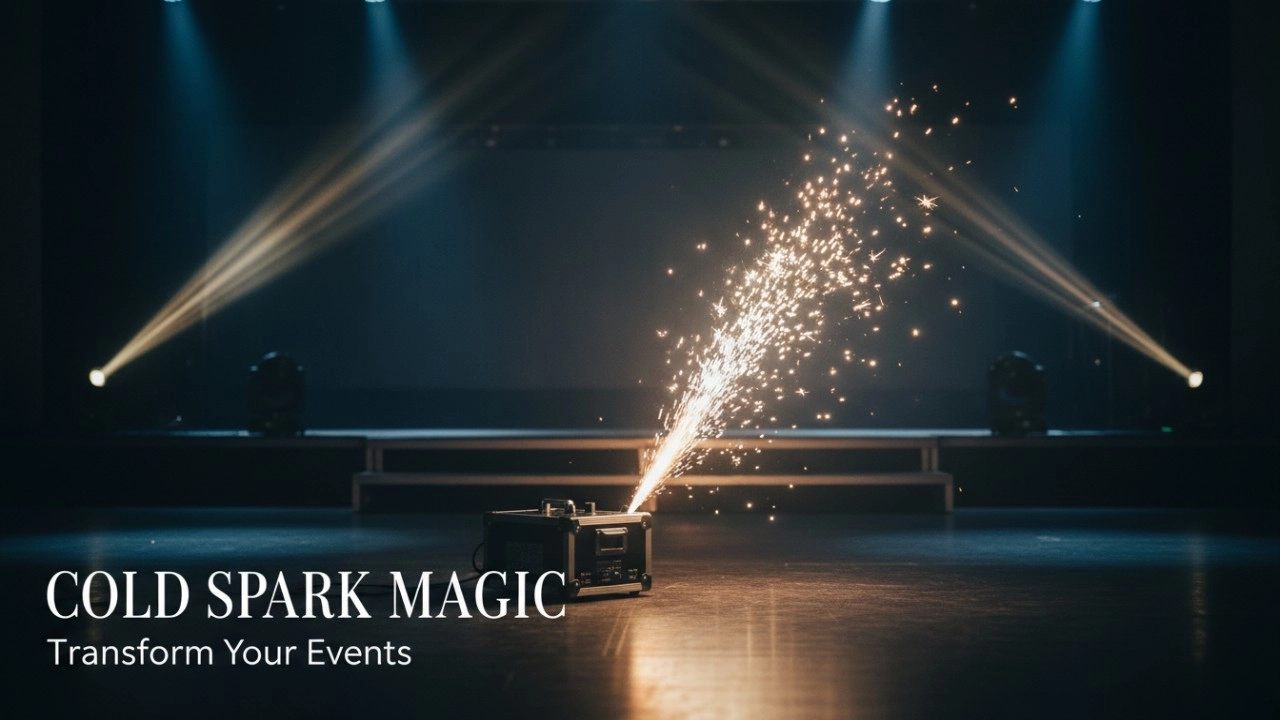
Top 10 Cold Spark Machines for 2026: A Deep Dive into Performance, Powder Life, and Durability

How to Choose a Snow Machine: The Definitive Checklist to Avoid Costly Mistakes (2026 Guide)
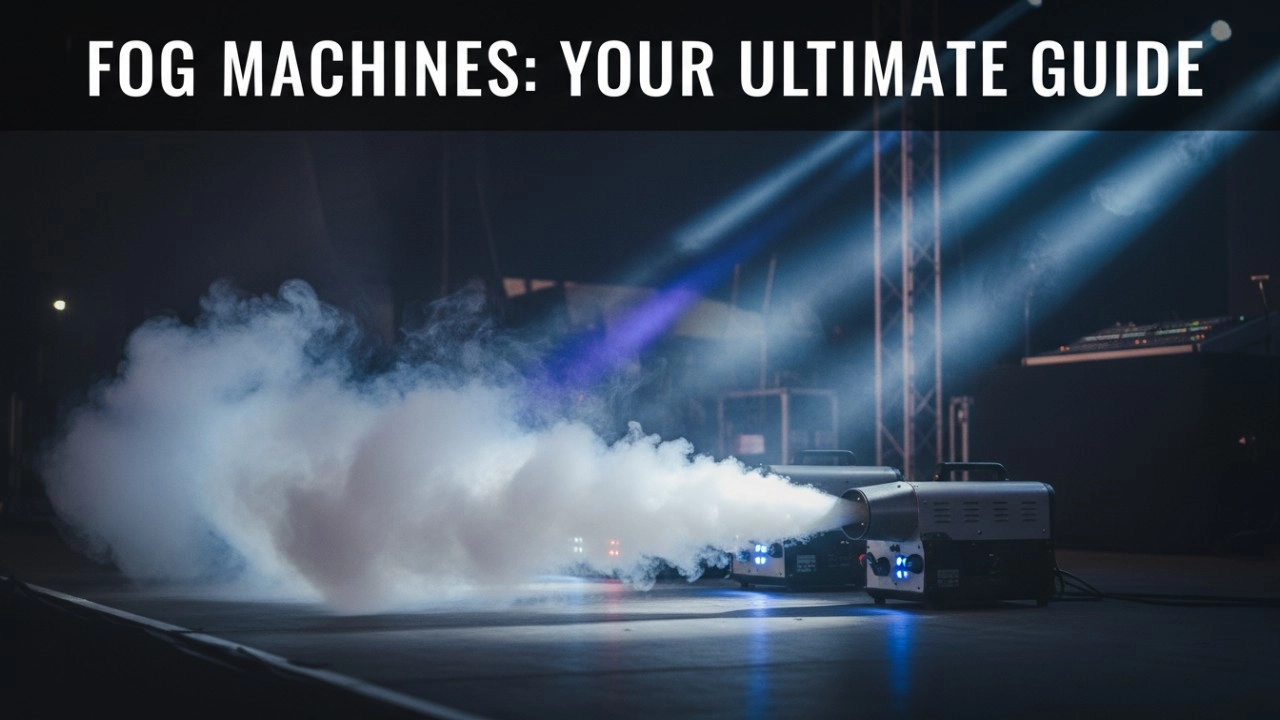
Fog Machines Explained: Technology, Control Systems, and Modern Stage Applications
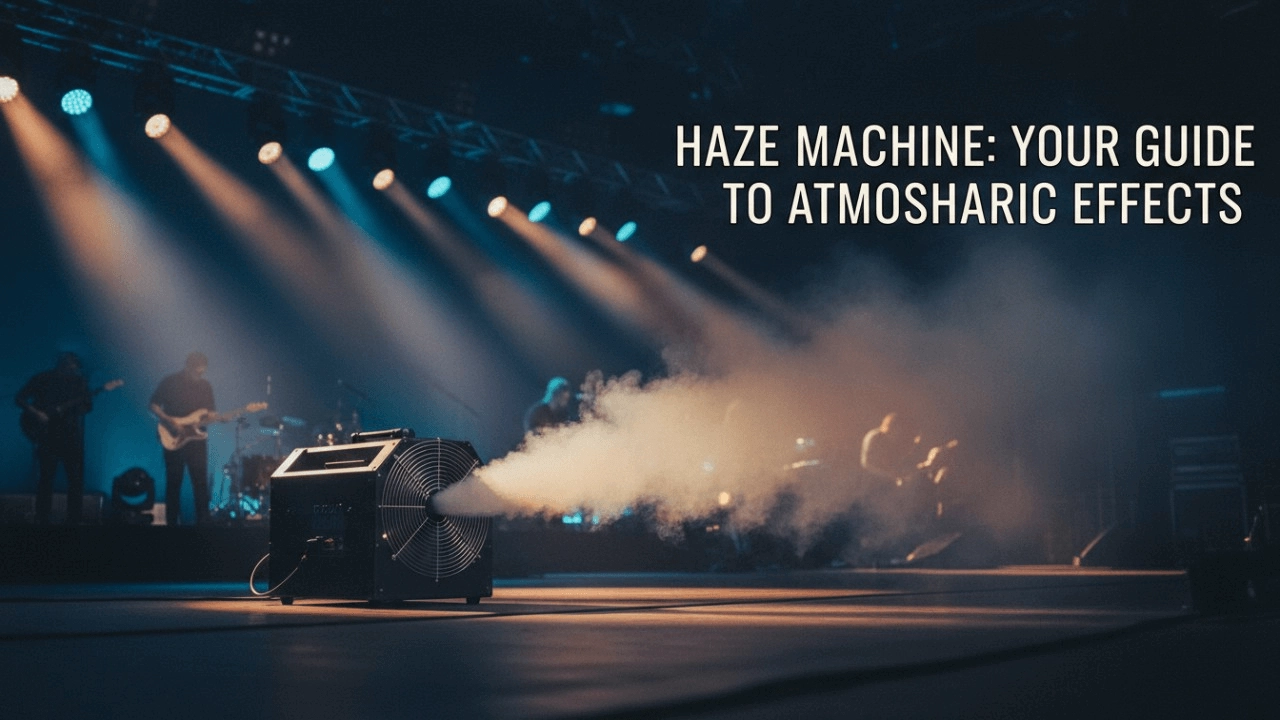
Haze Machines Explained: The Definitive 2026+ Guide to Effects, Selection & Future Innovations
Recommended for you
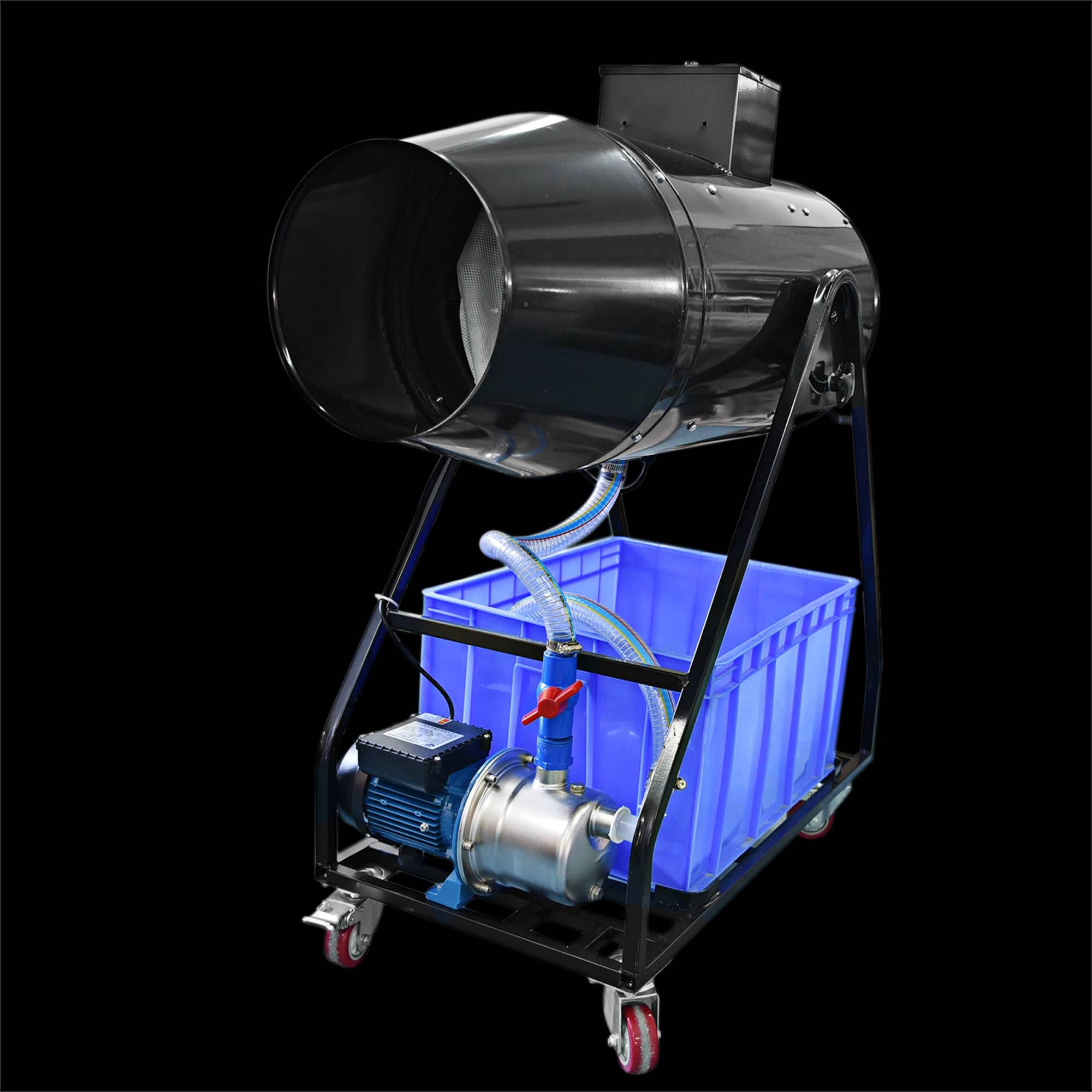
Elevate your event with the Siterui SFX 1800W Spraing Foam Machine. This high-power, professional foam party maker creates dense, vibrant bubbles—perfect for weddings and celebrations. Reliable and easy to use, it’s the foam and bubble machine for unforgettable moments.
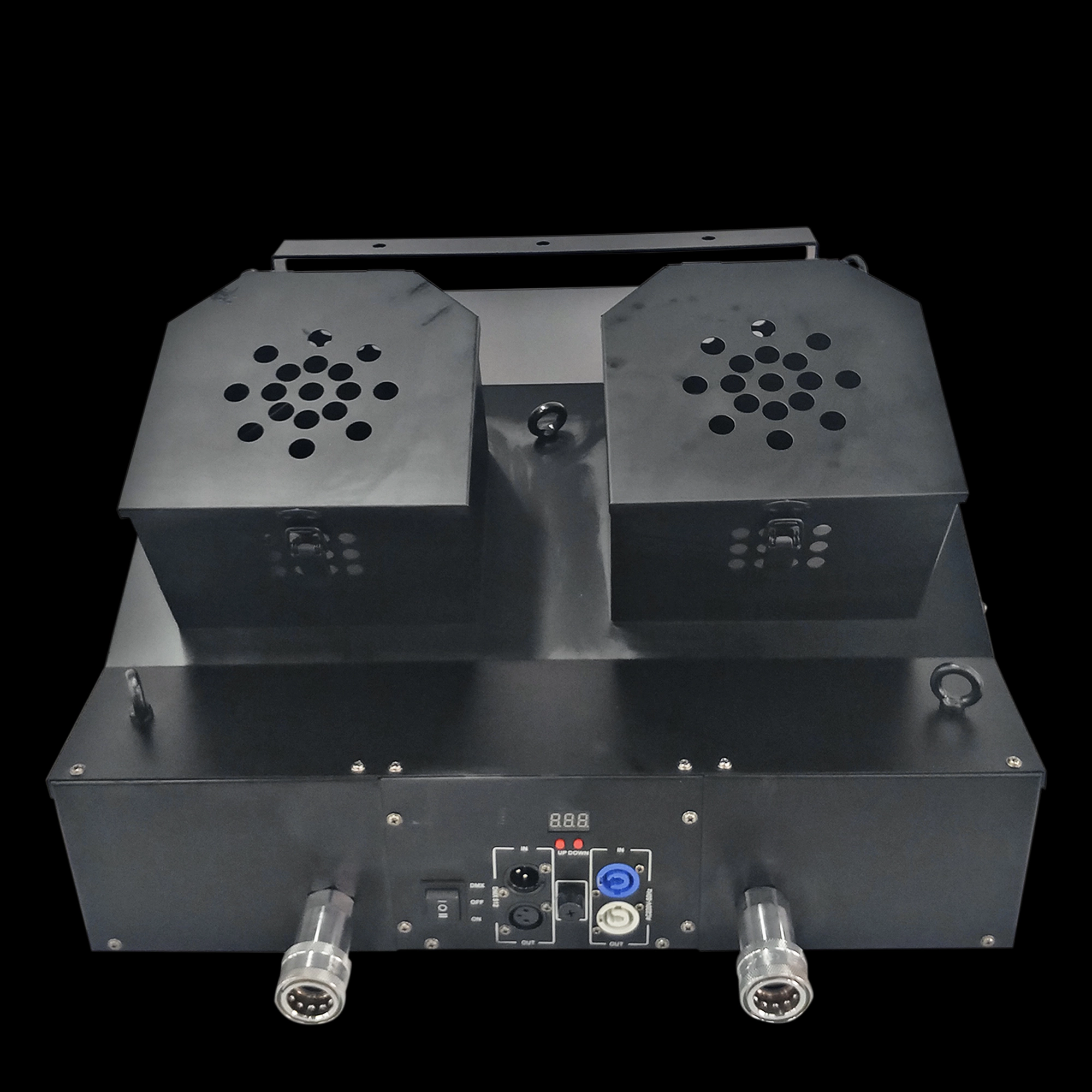
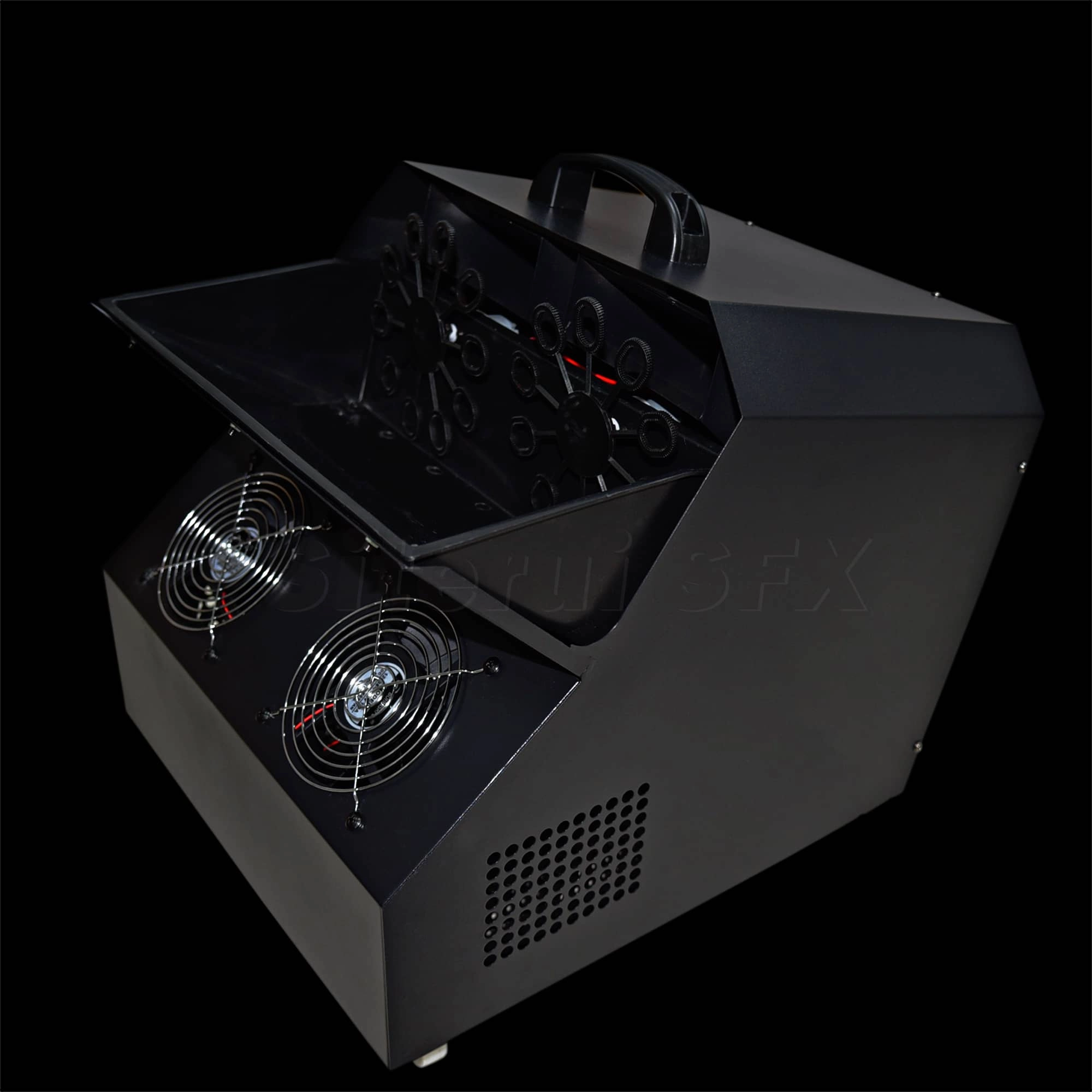
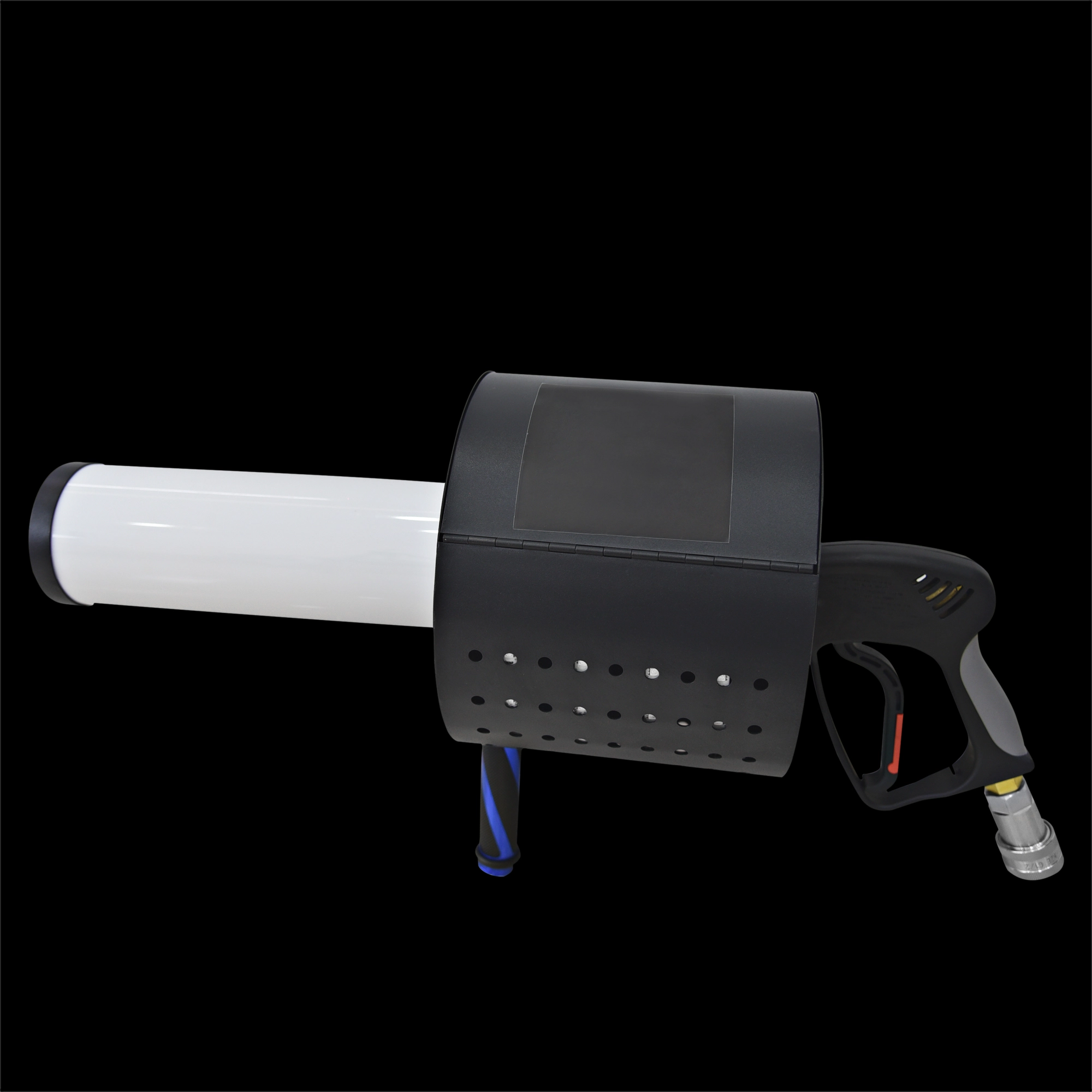
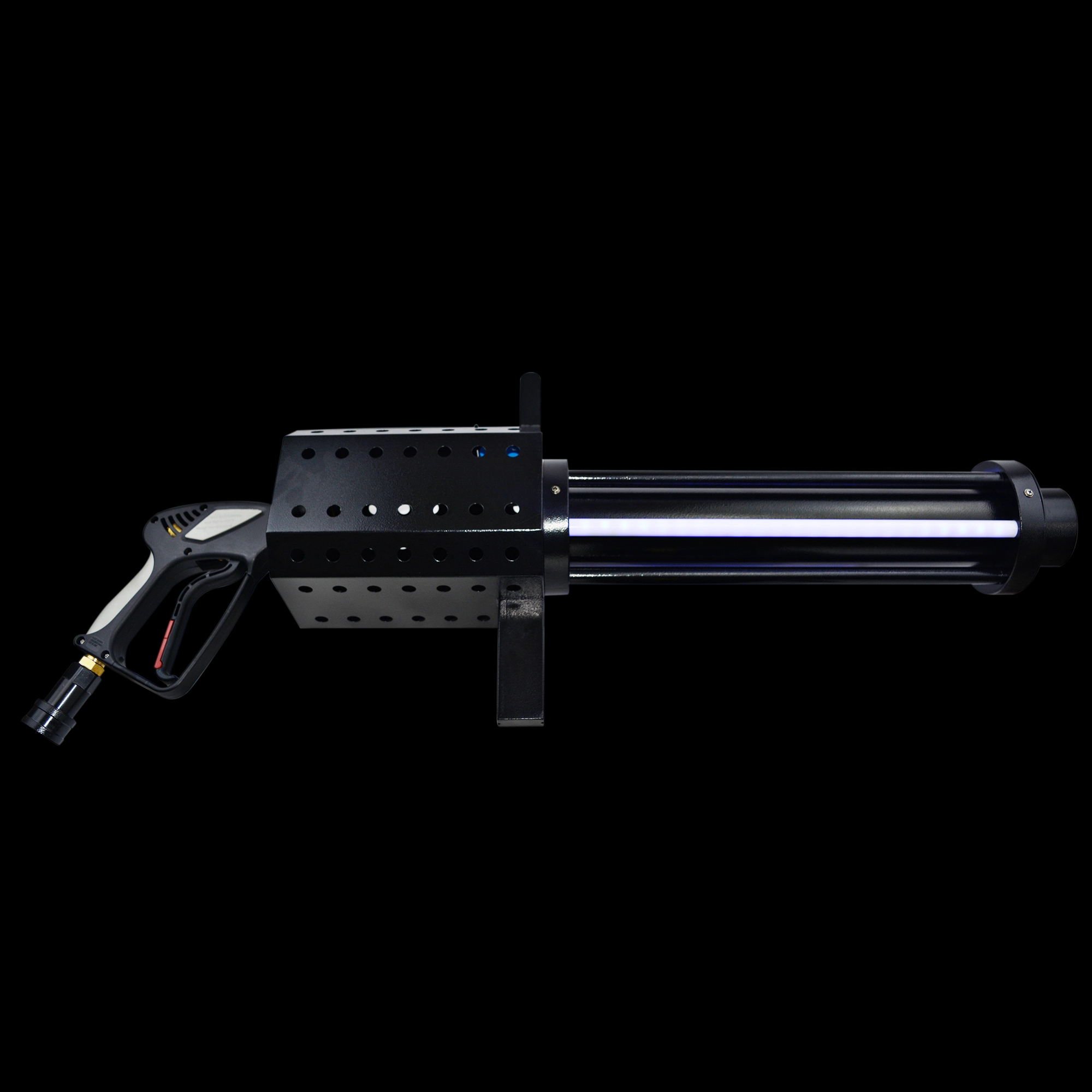
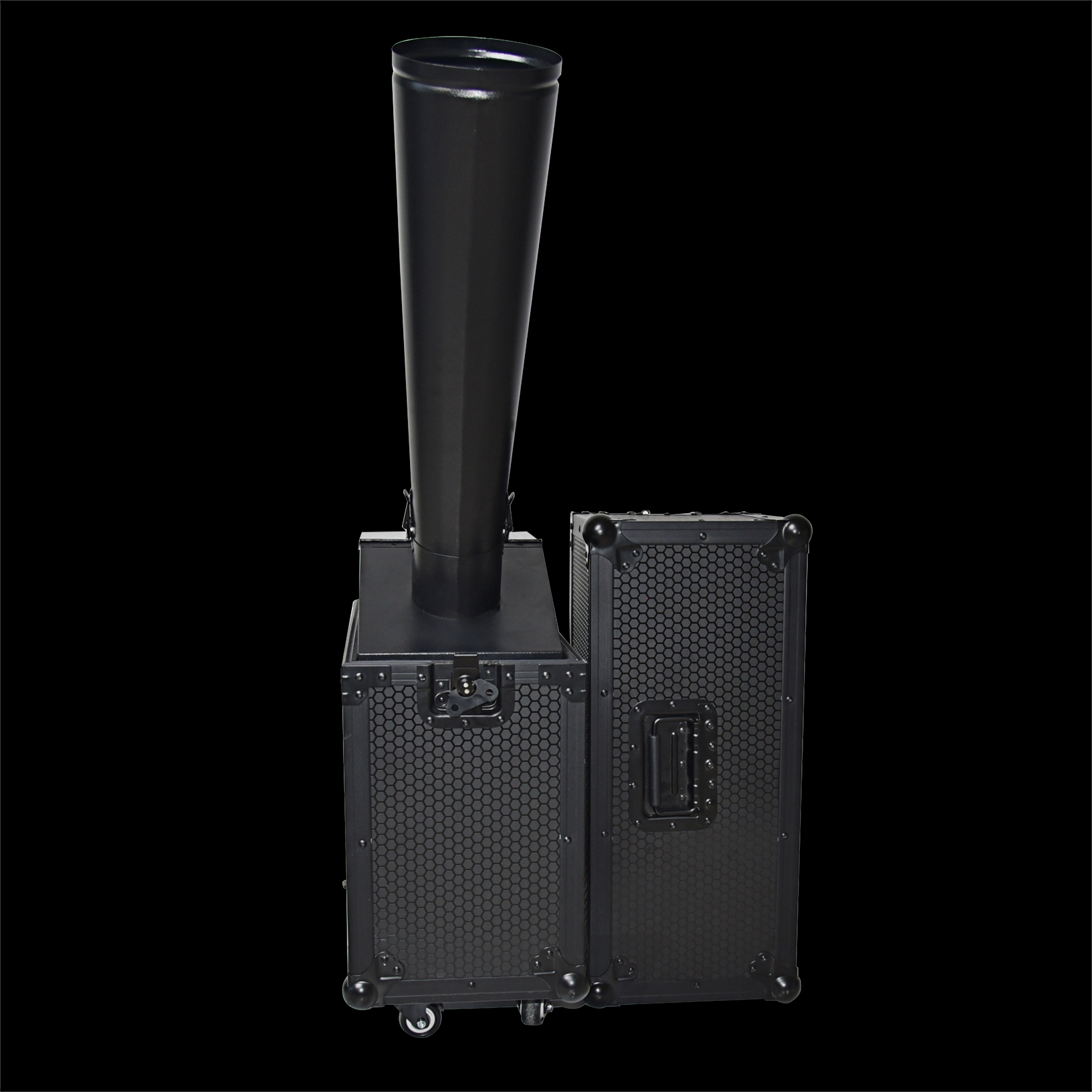
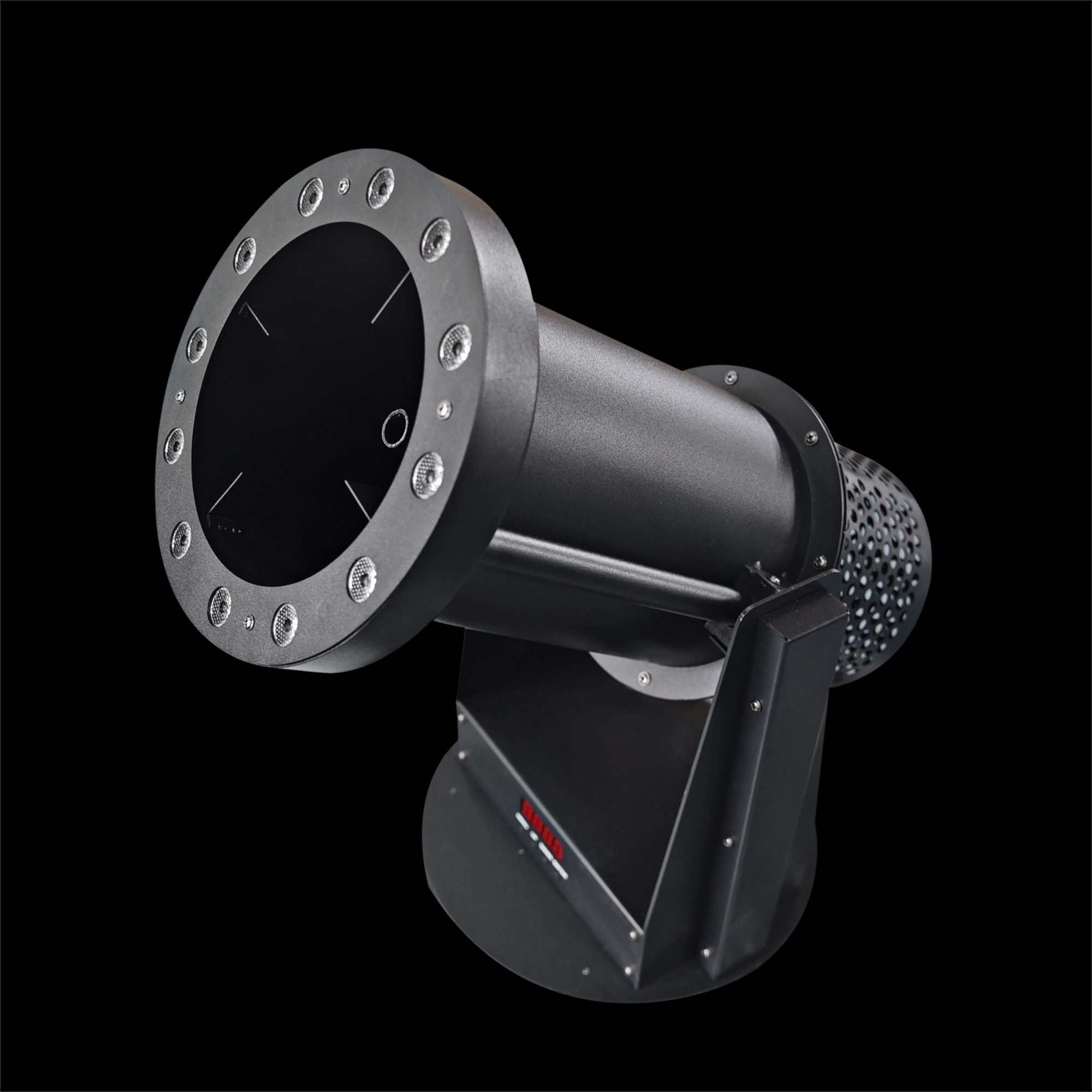
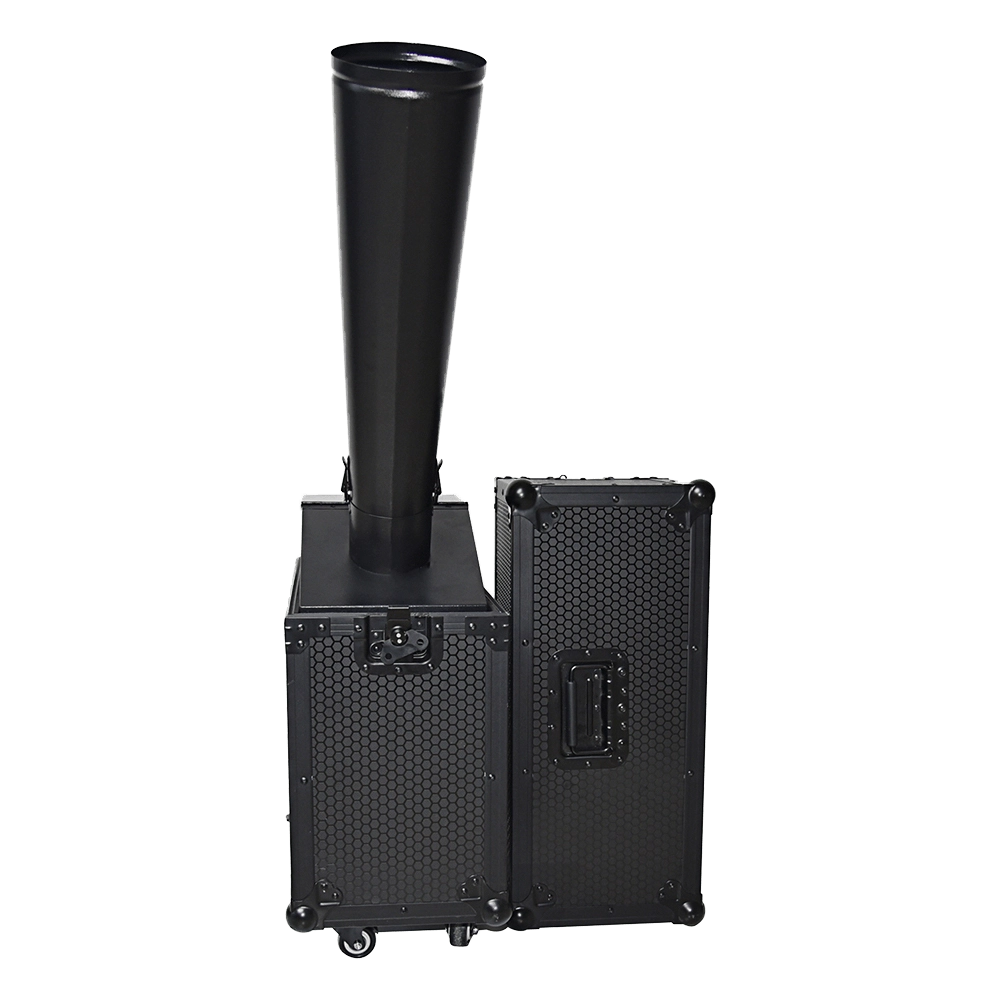
Compact and portable, the CO₂ Mini Rainbow Confetti Machine delivers vibrant bursts of rainbow-colored confetti for unforgettable events. Equipped with a manual control option and coming in a sturdy black flight case with wheels, this machine ensures hassle-free transportation and operation. Key features include instant CO₂-powered confetti bursts, adjustable spray intensity, and a leak-proof design. Perfect for stage shows, weddings, and celebrations!
Stay Informed or Connect with Us
Have questions about our latest news or updates?
Reach out to us—we're here to provide more insights or media support.
Email: sales01@strlighting.com
WhatsApp: +86 189 2232 4800
© 2025 Siterui SFX All Rights Reserved.
 Scan QR Code
Whatsapp: +8618922324800
siteruisfx_stage_equipment
Siterui
SITERUI-SFX
STRlighting
@siterui.sfx