
Why choose a cold spark machine for indoor events?
Why Choose a Cold Spark Machine for Indoor Events? 6 Expert Q&A
Cold spark machines (also called cold sparkulars, cold fireworks, or cold fire effects) let event designers add bright, fountain-like sparks indoors with much lower thermal risk than traditional pyrotechnics. Below are six specific beginner questions that often have shallow or outdated answers online, answered with professional, purchase-focused detail to help production managers, rental houses, and AV integrators make the right choice.
1) How do I calculate the number and placement of cold spark machines to create an even spark curtain across a 12 m-wide indoor stage without blocking sightlines or lighting?
Why this matters: New purchasers often under- or over-deploy units, creating uneven effects or obstructing sightlines and house lighting.
How to calculate and place units (step-by-step):
- Measure the stage: note width (12 m), desired spark height, and audience sightlines. Decide whether you want a continuous curtain or discrete fountain columns.
- Consult the manufacturer’s spread/coverage spec: modern sparkular machines commonly list a horizontal spread angle or effective width at a given distance (for example, Manufacturer A: 3.5 m width at 3 m distance). If the datasheet is missing, request a dispersion diagram. Never rely on generic photos.
- Determine unit coverage and overlap: aim for 10–20% overlap between adjacent unit coverage to avoid visual gaps. Example method: if a unit covers 3.5 m at your mount height, divide stage width by 3.15 m (3.5 m minus 10% overlap) → 12 / 3.15 ≈ 3.8 → round up to 4 units.
- Plan vertical placement: mount units high enough for the desired curtain height while maintaining manufacturer required safe distance from rigging, speakers, and people. Most indoor designs place nozzle heights between 2–6 m depending on room height and fire codes; verify with the product manual.
- Angle and aiming: set each nozzle’s yaw/pitch so adjacent sprays meet visually without crossing into sightlines or lights. For narrow sightlines (e.g., balcony audiences), reduce nozzle pitch and increase unit count for gentler, denser coverage.
- Run a dry tech rehearsal: paper tests are useful, but always perform an on-site test with the actual powder cartridges and final rigging to confirm visuals and ensure no glare or blinding from direct angles into performers’ eyes or cameras.
Tip: If you need a perfectly continuous curtain for broadcast video, plan for a 20% overlap and use DMX-programmed soft ramp-ins so adjacent fountains blend rather than flash sequentially.
2) What are the real fire and burn risks for rigging, costumes, and set pieces near cold spark effects—and how do I mitigate them?
Why this matters: ‘Cold’ descriptions can lull buyers into complacency. Sparks are low-temperature relative to open flames but can still deposit hot particles that smolder porous or untreated materials.
Risk profile and mitigation:
- Thermal risk: Cold spark machines are called “cold” because their sparks radiate far less heat than conventional pyrotechnics. However, manufacturers’ certified test reports vary; therefore, always review the vendor’s independent lab data on spark particle temperature and thermal flux. Do not substitute manufacturer claims for local authority guidance.
- Contact and smoldering: Small metallic particles that fall onto fabrics, foam, or scenery can produce localized heat spots or smolders. Mitigate by specifying flame-retardant (FR) treated costumes, printed backdrops with FR certification, and non-combustible scenic finishes within the expected fallout zone.
- Clearance zones: Use the vendor’s recommended minimum vertical and horizontal clearances as binding. As a best practice, maintain at least the manufacturer-recommended audience-to-effect distance and keep a 0.5–2.0 m clear zone around nozzles from combustible materials—confirm exact distances in the product manual and local code.
- Smoke/particulates and detectors: Cold spark powder is particulate matter; it can trigger smoke detectors and degrade air quality. Coordinate with venue fire marshals to temporarily isolate detectors (if permitted) and provide a risk assessment and mitigation plan. Provide local ventilation and post-show cleanup to remove metallic residue from HVAC intakes.
- Testing and certification: Use machines with third-party test reports (CE, RoHS, and independent thermal/particulate testing) and keep those certificates on file for authorities. If required by local code, present NFPA-relevant documentation—NFPA 1126 and NFPA 160 are commonly referenced standards for trade/proximate pyrotechnic and flame effects; work with the AHJ (authority having jurisdiction) for approval.
Practical checklist: pre-show test on-site, material audit for all costumes and set pieces near the effect, documentation of FR treatments, detector coordination, and an approved emergency plan with fire watch personnel.
3) How do I integrate cold spark machines with DMX or timecode to avoid latency or safety lockouts during fast-paced cue stacks?
Why this matters: Short shows or music cues require millisecond precision. Poor integration can cause missed effects, mechanisms in safety lockout, or out-of-sync moments.
Integration best practices:
- Control interface: Most professional cold spark machines support DMX512 and some higher-end units support Art-Net, sACN, or wireless triggers. For reliable timing, prefer wired DMX with a dedicated DMX universe for effects, or SMPTE/timecode-driven consoles that send pre-programmed DMX cues.
- Latency and responsiveness: Single-RDM or DMX512 controllers typically respond within one DMX frame (≈21 ms) but system latency increases with long cable runs, converters, or wireless hops. Keep DMX daisy chains short, use opto-isolated nodes to prevent ground loops, and pre-test the round-trip latency in the venue at show intensity.
- Redundancy: For mission-critical shows, implement a primary DMX feed and a backup trigger line (TTL contact closure or remote relay). Some rental houses use an independent hardware trigger (relay or dry contact) synchronized with the console via the lighting desk’s relay outputs to guard against DMX dropout.
- Safety interlocks: Cold spark machines include software and hardware interlocks (temperature, powder presence, door switches). When programming fast cue stacks, ensure the interlock logic (e.g., cooldown timers) is compatible with the required cue spacing—work with the vendor if interlocks prevent required sequencing.
- Test at load: Conduct a full dress rehearsal under show load (lighting, audio, wireless devices) to observe any RF or electrical interference and confirm reliable triggering at required cue timings.
Tip: Ask for a manufacturer-supplied DMX patch and example cue file for your lighting console (e.g., grandMA, Hog) so you can import predefined channels and avoid custom mapping errors.
4) What is the realistic lifecycle and ongoing consumable cost (powder/cartridges) for a rental fleet of 10 machines over 24 months?
Why this matters: Buyers often underestimate consumable and maintenance budgets, causing unexpected costs that harm ROI for rental houses and production companies.
How to estimate costs (practical method):
- Identify consumption metrics in the datasheet: Manufacturers publish powder flow rates (grams per second or cartridge minutes) or cartridge counts per minute. If the datasheet isn’t explicit, request a usage profile for your typical effect (e.g., 3 bursts x 10 s per event).
- Model your show calendar: Multiply average runtime per show by number of shows per month × 24 months. Example: 2 events/week × 24 months ≈ 208 events. If each event uses 30 seconds of active effect time per machine, that’s 6,240 seconds (104 minutes) per machine over 24 months.
- Calculate powder consumption: Using the manufacturer’s grams-per-minute number, compute total grams and convert to cartridges/boxes. If a cartridge contains X grams, total cartridges = total grams / X. If you don’t have exact gram specs, request them—don’t guess.
- Cost per cartridge and waste: Cartridge prices vary by supplier and region. Factor in shipping, taxes, and a 10–20% spare stock for onsite failures. Also include disposal and cleanup labor—metallic powder may require specific waste handling if local regulations apply.
- Maintenance and spares: Budget for scheduled maintenance (nozzle cleaning, seals, fans) every 6–12 months, and spare parts: 10% of fleet in spare nozzles, gaskets, motors, and a spare control board. Labor costs for preventive maintenance should be included in your fleet TCO (total cost of ownership).
Because cartridge prices and flow rates vary widely, use this approach with exact manufacturer data to get accurate budgeting. As a baseline planning tool, many rental companies assume consumables and maintenance equal 20–35% of the initial machine purchase price per year—use that as a sanity check but verify with vendor numbers.
5) How does ambient humidity, temperature, or indoor HVAC affect cold spark performance and powder handling?
Why this matters: Atmospheric conditions affect powder flow, buildup, and spark consistency, yet this is rarely covered in beginner guides.
Effects of environment and best practices:
- Humidity: High relative humidity can cause hygroscopic clumping in some powder formulations, reducing flow reliability and causing nozzle blockages. Use factory-sealed cartridges or desiccant storage for opened stock. In climates with >70% RH, store unopened cartridges in climate-controlled storage and test each batch before show day.
- Temperature extremes: Very cold environments can affect internal blowers and powder viscosity (if a binder is present); very hot conditions stress electrical components and may trigger thermal interlocks. Follow the vendor’s operating temperature range and allow units to acclimate when moved between extremes.
- HVAC drafts and turbulence: Large HVAC outlets or powerful fans can alter the trajectory of sparks and spread particulate beyond predicted fallout zones. During effect runs, coordinate with venue HVAC to minimize strong drafts in the effect area or adjust nozzle aim and power to compensate.
- Indoor air quality: Repeated use in a closed venue without filtration can increase particulate counts; plan for enhanced filtration (HEPA-rated returns) after shows and communicate expected cleanup times to venue staff.
Prevention: implement controlled storage (dry, temperature-stable), pre-show conditioning runs, and maintain an operations log correlating environmental data with any nozzle-cleaning or misfire instances to identify recurring issues.
6) What documentation, permits, and on-site staff qualifications will local authorities likely demand for indoor cold spark use—and how do I prepare a compliance package?
Why this matters: Venue managers and promoters need a consistent compliance package to get AHJ approval and avoid last-minute cancellations.
Typical requirements and how to prepare:
- Certificates and test reports: Provide CE/UL-like product certificates, independent thermal and particulate test reports, and the manufacturer’s user manual. Include material safety data sheets (MSDS) for powder cartridges where applicable.
- Risk assessment and method statement: Produce a concise RAMS (Risk Assessment and Method Statement) covering hazard identification, control measures, fallout maps, audience/performer clearances, and emergency procedures. Many AHJs will request a written fire safety plan specific to the show.
- Qualified operator evidence: Provide CVs or certification proof for the operator(s) who will run the effect. Many venues require operators with manufacturer-endorsed training or a third-party pyrotechnic technician qualification.
- Fire marshal coordination: Engage the venue fire marshal early. You will likely need written permission and to agree on detector isolation, dedicated fire watches during and after the effect, and cleanup responsibilities.
- Insurance and permits: Confirm that your public liability and equipment insurance policies cover cold spark effects and provide certificates of insurance to the venue. Some jurisdictions require event permits with the local fire department—start the application process early (2–6 weeks where busy).
Put everything in a single PDF compliance packet: product certificates, RAMS, operator qualifications, insurance, planned cue schedule and footprint map, and contact details for the equipment supplier. That packet accelerates AHJ reviews and demonstrates professionalism.
Conclusion — Why choose a cold spark machine for indoor events?
Cold spark machines deliver the spectacle of fountain-style pyrotechnics with a much lower thermal profile, repeatable DMX control, and a cleaner setup suitable for indoor venues when used correctly. They reduce the regulatory and logistical hurdles of traditional pyro, integrate well with lighting and timecode systems, and provide consistent visual impact for weddings, corporate shows, concerts, and TV productions. The biggest advantages are reduced heat risk, reusability with cartridge consumables, precise cue control, and cleaner fallout patterns—provided you select units with third-party testing, set up a compliance package for AHJs, and follow manufacturer-specified placement, storage, and maintenance procedures.
For a tailored quote, system design, or fleet budgeting for your venue or rental house, contact us at www.siteruisfx.com or email sales01@strlighting.com — we’ll provide a compliant specification and cost estimate based on your event parameters.
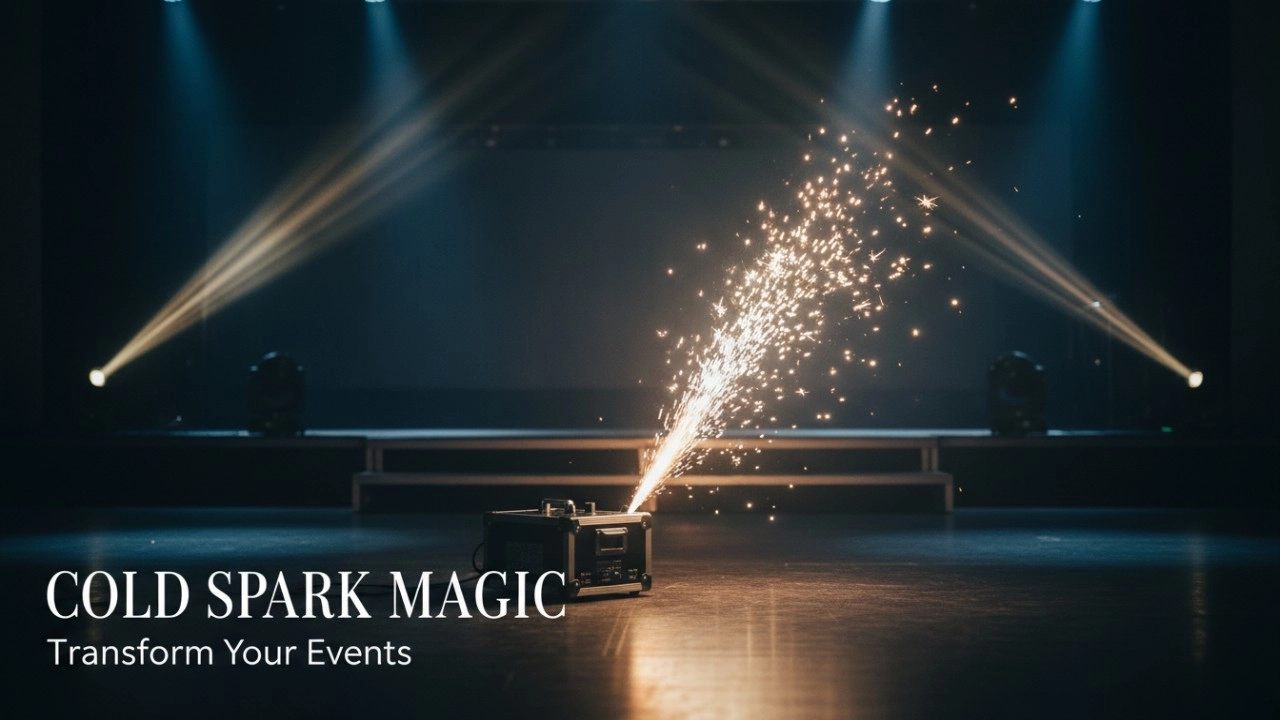
Top 10 Cold Spark Machines for 2026: A Deep Dive into Performance, Powder Life, and Durability
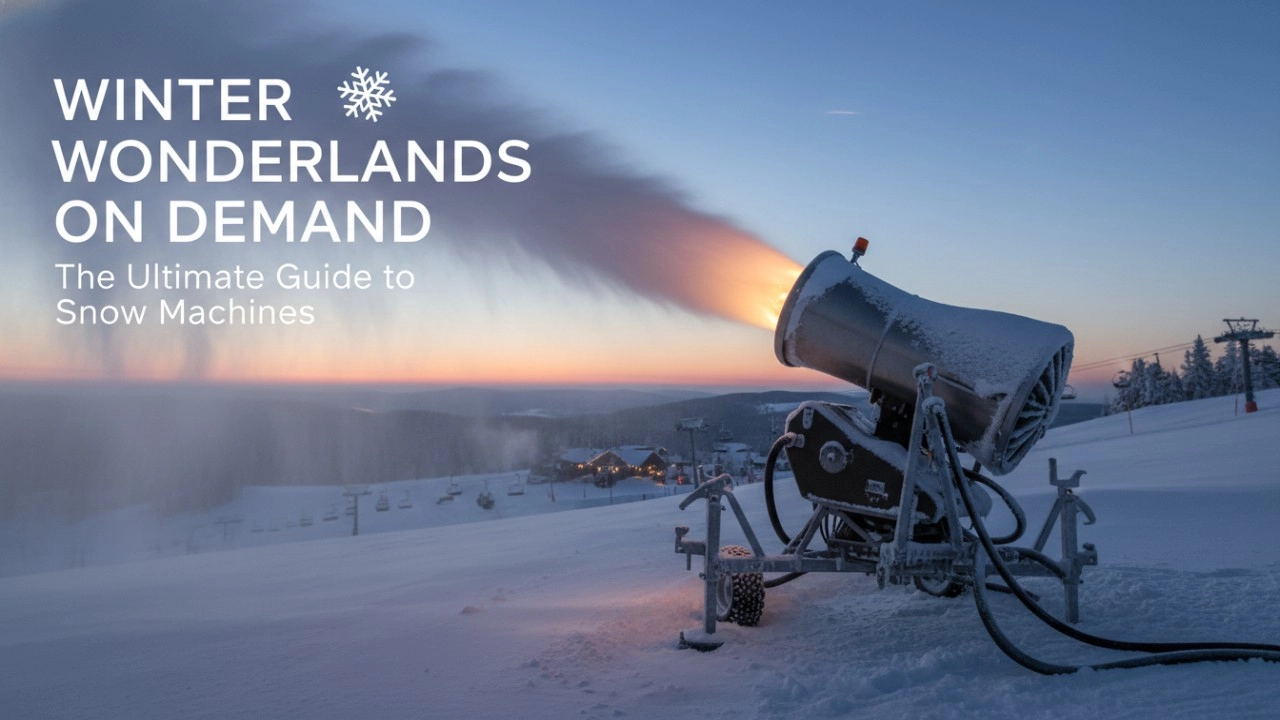
How to Choose a Snow Machine: The Definitive Checklist to Avoid Costly Mistakes (2026 Guide)
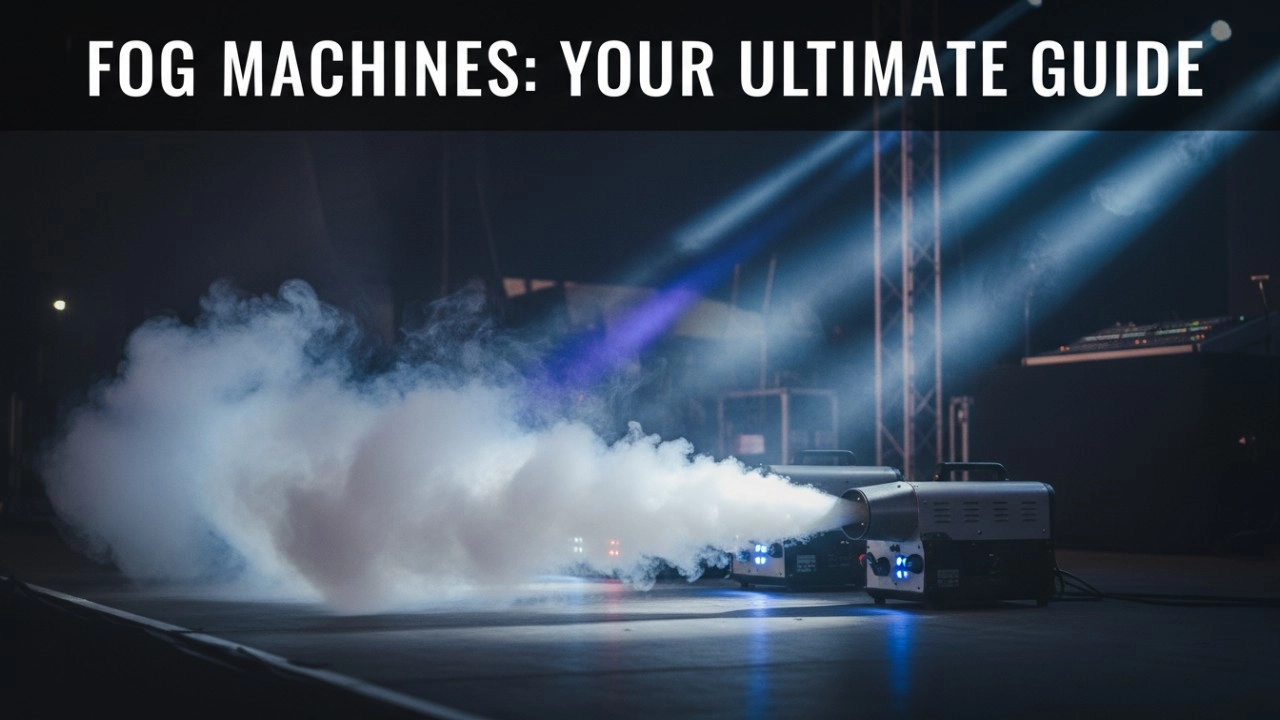
Fog Machines Explained: Technology, Control Systems, and Modern Stage Applications
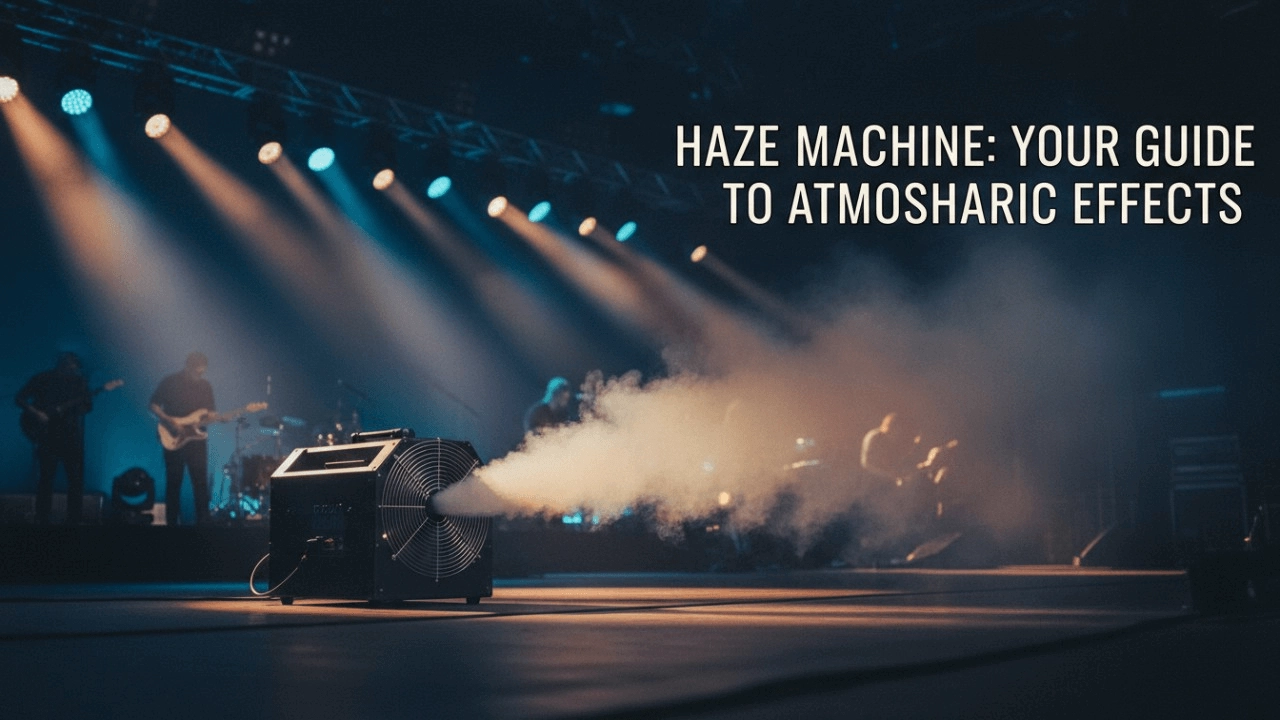
Haze Machines Explained: The Definitive 2026+ Guide to Effects, Selection & Future Innovations
Recommended for you
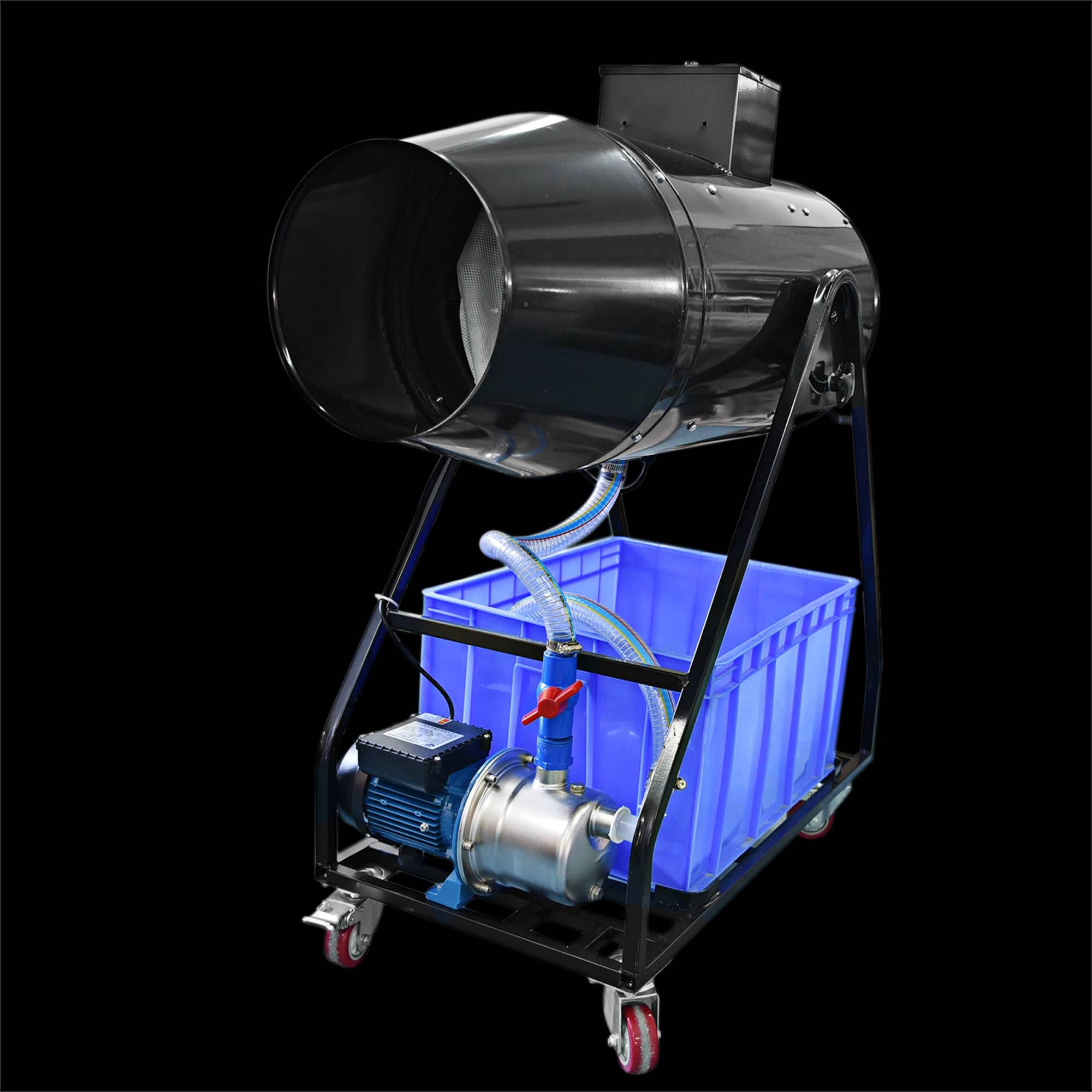
Elevate your event with the Siterui SFX 1800W Spraing Foam Machine. This high-power, professional foam party maker creates dense, vibrant bubbles—perfect for weddings and celebrations. Reliable and easy to use, it’s the foam and bubble machine for unforgettable moments.
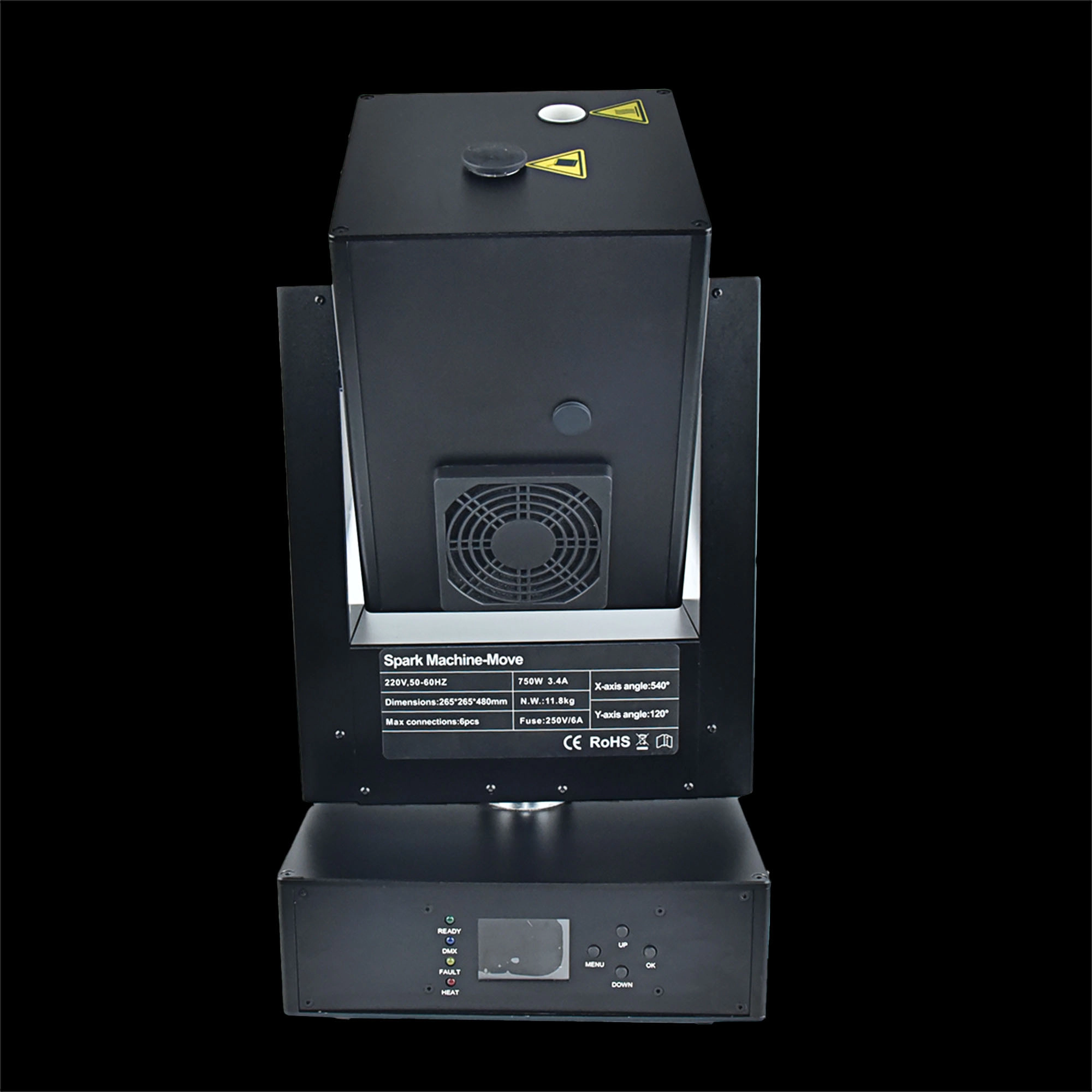
Siterui SFX 750w moving head spark machine delivers high-impact cold-spark effects with 360° moving head, DMX control, adjustable output and safe, long-lasting performance - perfect for concerts, weddings and stage shows.
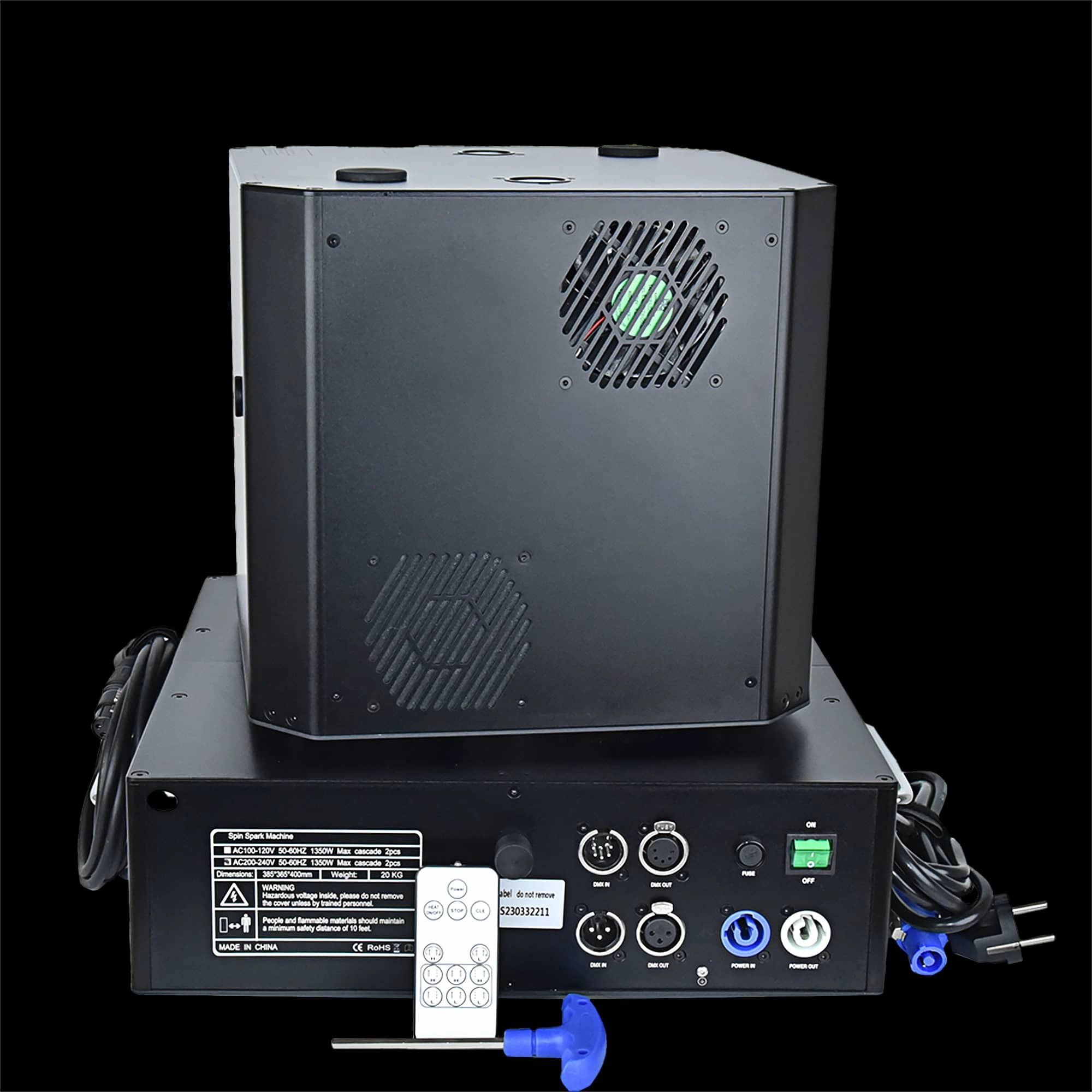
Double head 1300W Spin Spark machine -powerful dual-head 1300W spin spark effect with DMX + remote control for precise timing. Durable, professional-grade pyrotechnic effect ideal for concerts, clubs and events.
Stay Informed or Connect with Us
Have questions about our latest news or updates?
Reach out to us—we're here to provide more insights or media support.
Email: sales01@strlighting.com
WhatsApp: +86 189 2232 4800
© 2025 Siterui SFX All Rights Reserved.
 Scan QR Code
Whatsapp: +8618922324800
siteruisfx_stage_equipment
Siterui
SITERUI-SFX
STRlighting
@siterui.sfx