
are cold spark machines safe for indoor weddings and venues? | Insights by Siterui SFX
Are Cold Spark Machines Safe for Indoor Weddings and Venues? 6 Specific Buyer Questions Answered
Cold spark machines and cold spark fountains have become a go-to special effect for indoor weddings and venues because they mimic traditional pyro without open flames. Below are six long-tail, beginner-focused questions that are frequently under-answered online, followed by thorough, industry-grounded responses you can use when buying or renting stage special effects equipment.
1) Can cold spark machines trigger venue fire alarms or sprinkler systems during indoor weddings, and how do I prevent false activations?
Short answer: Yes—indirectly. While cold sparks produce very little smoke compared with conventional pyrotechnics, they can still set off sensitive smoke detectors or be affected by sprinkler pre-action systems if particulate levels or heat are detected locally. The likelihood is lower than with pyrotechnic flames, but it is not zero.
Actionable precautions:
- Notify the venue and the local fire marshal well before the event. Many venues require formal approval and a letter of intent describing the effect, machine model, and operator qualifications.
- Provide manufacturer test reports demonstrating particulate output and visible emission levels. Reputable suppliers can provide third-party lab test results (TÜV, UL, Intertek) showing particle counts and visible smoke measurements under controlled runs.
- Request a site test (wet run) during setup hours. A short full-power test run with detectors monitored in real time lets you confirm whether your chosen detector zones are affected.
- If smoke detectors are within the effect zone, coordinate with the venue to temporarily isolate or mask specific detectors following the venue’s written procedure and with fire-authority approval. Do not disable systems without explicit fire department authorization.
- Use directional placement and nozzles to keep plumes away from ceiling-mounted detectors and sprinkler heads. Many cold spark units create a narrow fountain—aim it away from detectors and maintain recommended clearance to sprinklers.
2) What specific certifications, test reports, and MSDS should I demand from suppliers to confirm cold spark machines are safe for indoor venues?
Always request documentation before purchase or rental. Key documents and why they matter:
- Certificate of Compliance / CE mark (for EU sales) or equivalent safety conformity marks showing the product complies with applicable electrical and mechanical standards.
- Third-party lab test reports from recognized labs (TÜV, UL, Intertek) that include: maximum surface temperatures during operation, particulate emission counts (PM2.5/PM10 where available), and any residual deposit testing on surfaces.
- Material Safety Data Sheet (MSDS) or Safety Data Sheet (SDS) for the consumable fountain powder—this lists chemical composition, flash point (if applicable), respiratory risk, and recommended PPE.
- Manufacturer test protocols and burn/soot residue reports. These show whether the system leaves potentially flammable residue on fabrics or floors.
- Operator manual with approved use-cases, minimum audience distances, required clearances to combustibles, and maintenance/service intervals.
Don’t accept vague claims. If the supplier cannot provide documented, third-party evidence of low emissions and surface temperatures, treat the product as higher risk and escalate to the venue authority.
3) How do I calculate safe audience and ceiling distances and ventilation needs for using cold spark fountains in a 200-guest ballroom?
There is no universal formula because units vary by model and consumable. However, you can follow a practical workflow used by experienced production teams:
- Obtain the manufacturer’s recommended clearances: these are your baseline for minimum audience distance (often 1 m–3 ft) and minimum clearance to ceiling or overhead (often 2–3 m). Treat these as absolute minimums, not targets.
- Scale for occupancy and ceiling height: in a full ballroom of ~200 guests, increase audience clearance by 25–50% beyond manufacturer minimums to account for crowd movement and unexpected proximity.
- Check vertical plume behavior in a temporary test: perform a site test at full power and measure plume rise. If the plume approaches sprinkler heads or low-hanging chandeliers, reposition or reduce output.
- Ventilation: ensure the HVAC can exchange air adequately. For large private events, aim for good dilution—ask the venue to maximize fresh-air intake during use and run system blowers shortly after the effect to clear any fine particulates. If a guest list includes people with respiratory sensitivities, increase ventilation or avoid use.
- Document these calculations in the event safety plan and share with the venue and any supervising authority.
4) What are the real risks of respiratory or particulate exposure (PM2.5) from cold spark effects for guests with asthma, and how do I mitigate them?
Cold spark effects generally produce less visible smoke than flame-based pyrotechnics, but they can generate fine particulates depending on the consumable powder. Fine particulates (PM2.5) are the main respiratory concern—not heat.
Mitigation steps:
- Request particulate emission data from the supplier. Reputable vendors will share PM2.5/PM10 counts from lab runs.
- If guests include people with asthma or COPD, notify them in advance and consider removing the effect or relocating it outdoors. Even low emissions can trigger sensitive individuals.
- Increase ventilation during and immediately after the effect. Use venue HVAC settings or portable HEPA filtration units in adjacent spaces to speed removal of particulates.
- Keep runs short and intermittent. Short bursts create less cumulative particulate load than long continuous runs.
- Provide medical preparedness on site: venue staff should know the location of first-aid kits and have a plan to assist guests with breathing issues.
5) Can cold spark machines leave flammable residue or damage delicate flooring and fabrics, and what protective measures should venues require?
Residue and surface debris depend on the consumable. Many cold spark formulas are designed to leave minimal residue, but some powders can produce fine metallic dust or small particulates that settle on fabrics or floors. While these residues are usually non-igniting under normal conditions, they can soil or mildly abrade delicate surfaces.
Protective measures:
- Ask the supplier for residue tests and photographic evidence of post-run surfaces. Insist on an explicit statement in the rental agreement about residue type and cleaning responsibility.
- Use temporary floor protection (vinyl runners, plywood, or carpet protectors) under the effect footprint if the floor is high-value or delicate.
- Protect nearby fabrics (drapes, linens) by increasing lateral distance or temporarily removing or covering them during the effect.
- Specify cleaning and inspection procedures in the contract: who removes residue, who pays for cleaning or repairs, and what constitutes acceptable post-event condition.
- Consider using disposable or washable consumables when available; some powders are formulated to be water-soluble for easier cleanup.
6) What operator training, insurance, and venue approvals are typically required to legally use cold sparklers in commercial indoor events?
Operator competence and paperwork are the most common roadblocks for indoor use. Basic expectations in the industry include:
- Qualified operator: the person running the device should have formal training in the specific system, documented by the manufacturer or an accredited training provider. Training covers setup, safe operation, emergency shutdown, and maintenance.
- Venue approvals: a written permit or signed release from the venue and, where required, from the local fire authority. Many venues require a safety plan and proof of third-party test data before signing off.
- Insurance: commercial general liability coverage that explicitly covers special effects use. Typical minimums vary by venue and jurisdiction (many require $1M per occurrence or more); check the venue’s policy and certificate of insurance requirements.
- Contract clauses: include indemnification, proof of equipment maintenance logs, and clear assignment of cleanup and damage responsibilities.
- Emergency procedures: operators should provide an emergency shutdown plan, location of nearest fire extinguishers, and a contact list including venue safety officer and local fire department if needed.
Conclusion: Why cold spark machines are often the best compromise for indoor weddings and venues
Cold spark machines offer a visually dramatic, flame-free alternative to traditional pyrotechnics. When sourced from reputable suppliers with third-party test reports, used by trained operators, and approved by the venue/fire authority, they provide high visual impact with lower heat and reduced smoke. Key advantages include reduced fire risk versus open-flame effects, typically minimal residue when proper consumables are used, and repeatable, controllable cues for synchronized moments (first dances, grand entrances).
That said, safety is documentation-driven: demand CE/UL-style compliance evidence, MSDS/SDS for consumables, particulate and surface-temperature reports from independent labs, a written venue approval, and operator certification. Follow site-test protocols, increase clearances for crowded venues, and always document steps taken to protect guests with respiratory conditions.
For a quote, site evaluation, or to request our supplier test packets and operator credentials, contact us at www.siteruisfx.com or email sales01@strlighting.com.
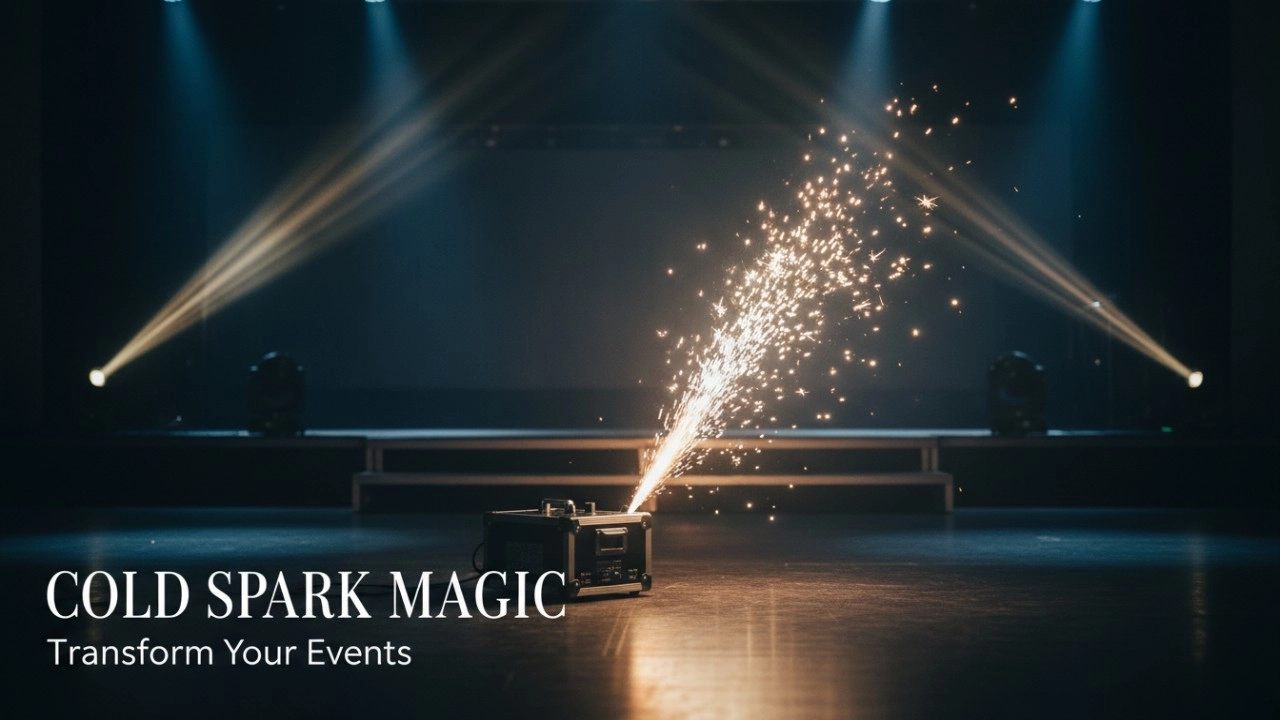
Top 10 Cold Spark Machines for 2026: A Deep Dive into Performance, Powder Life, and Durability
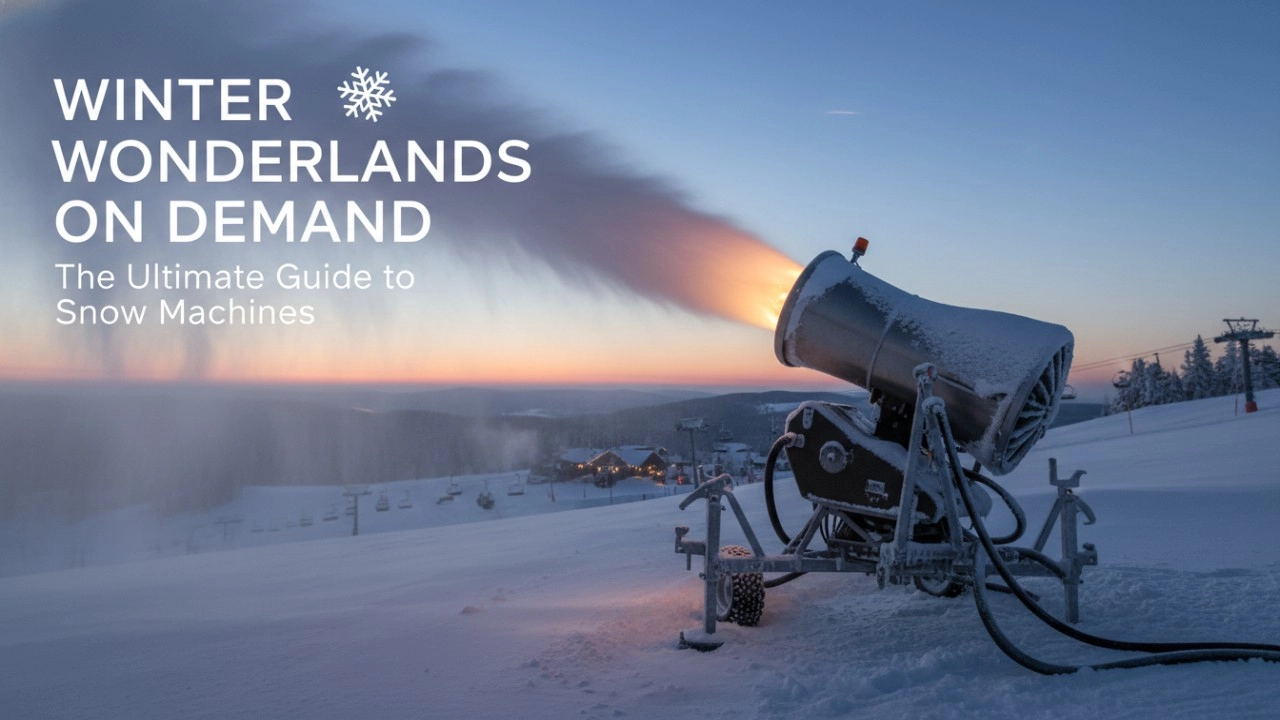
How to Choose a Snow Machine: The Definitive Checklist to Avoid Costly Mistakes (2026 Guide)
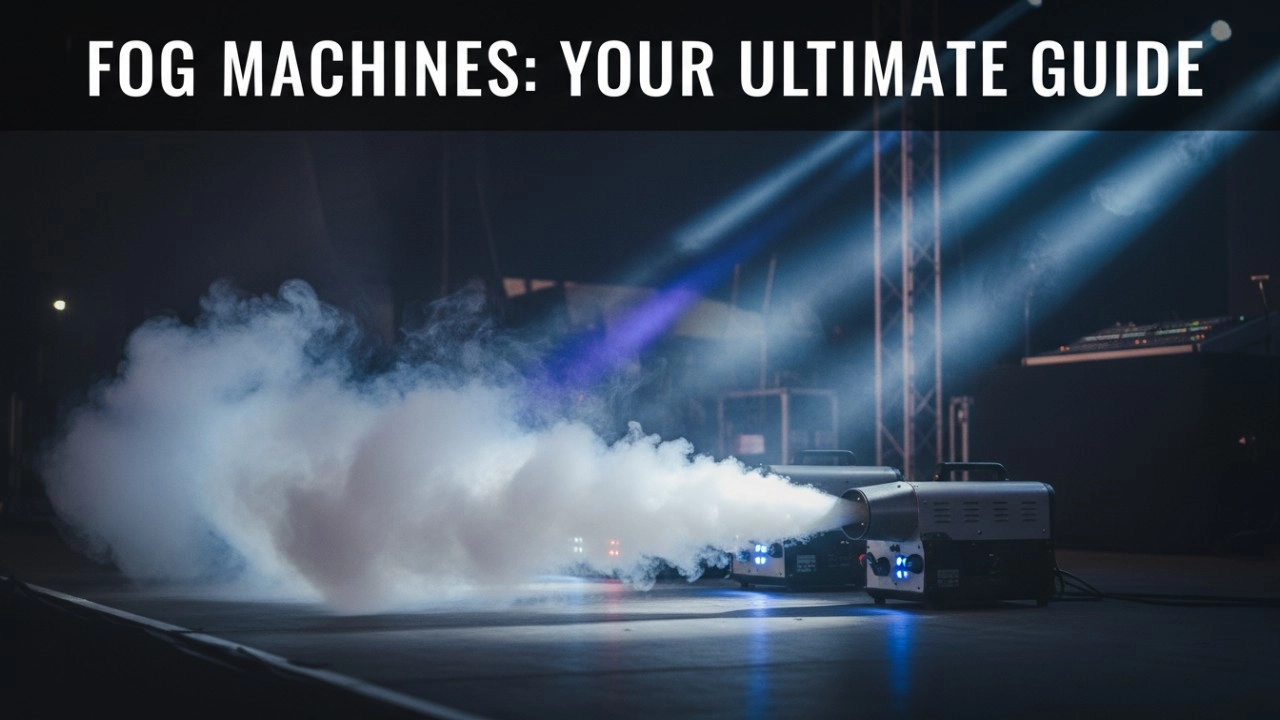
Fog Machines Explained: Technology, Control Systems, and Modern Stage Applications
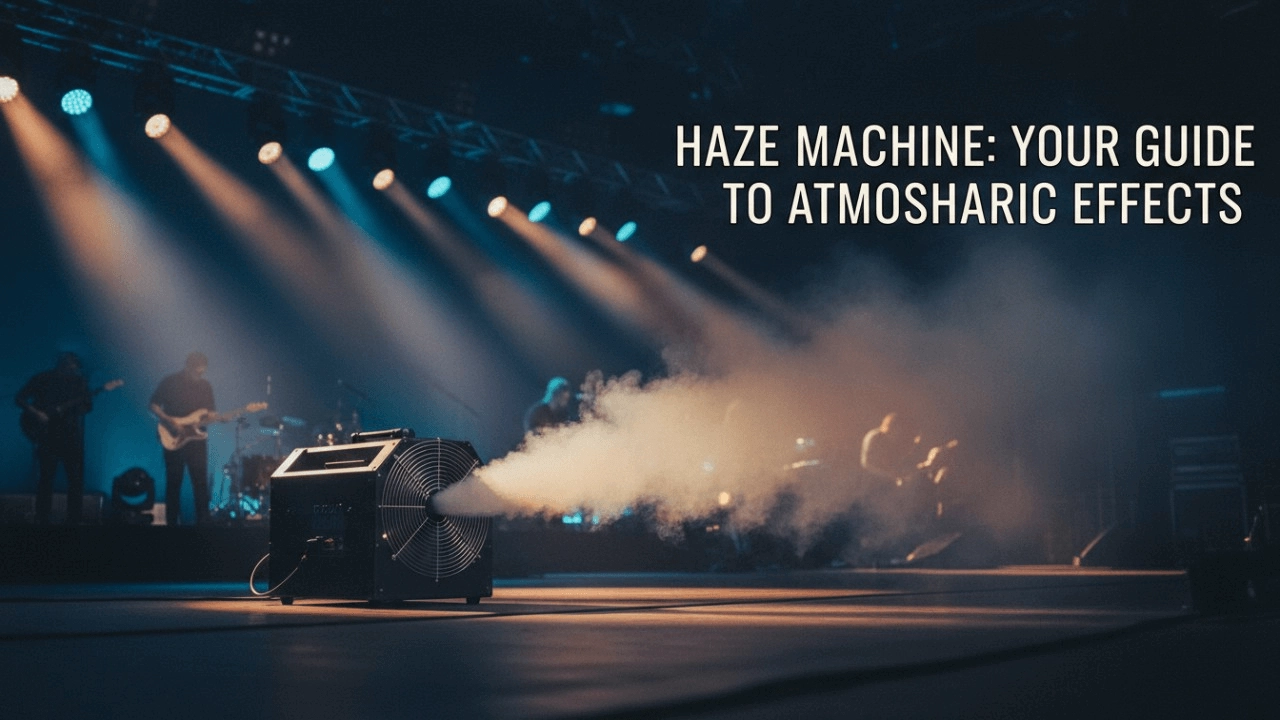
Haze Machines Explained: The Definitive 2026+ Guide to Effects, Selection & Future Innovations
Recommended for you


Stay Informed or Connect with Us
Have questions about our latest news or updates?
Reach out to us—we're here to provide more insights or media support.
Email: sales01@strlighting.com
WhatsApp: +86 189 2232 4800
© 2025 Siterui SFX All Rights Reserved.
 Scan QR Code
Whatsapp: +8618922324800
siteruisfx_stage_equipment
Siterui
SITERUI-SFX
STRlighting
@siterui.sfx