
what is the difference between a haze machine and a fog machine for stage lighting? | Insights by Siterui SFX
Haze Machine vs Fog Machine for Stage Lighting — 6 Specific Buyer Questions and In-Depth Answers
When choosing stage special effects equipment, knowing the difference between a haze machine and a fog machine for stage lighting is critical to deliver the intended visual impact while controlling costs, health risks, and technical integration. Below are six long-tail, pain-point-focused questions beginners ask but rarely find detailed, up-to-date answers to. Each answer includes practical checks, troubleshooting tips, and purchase criteria for rental houses, venues, and production teams.
Q1 — For live concerts with moving-head beams and lasers, how do I choose between a haze machine and a fog machine to maximize beam definition without overwhelming the audience or triggering house smoke detectors?
Brief answer: Use a haze machine for continuous, thin atmospheric particles that enhance beam definition and laser volumetrics; reserve fog machines for short-duration, high-opacity clouds. Choosing correctly depends on beam intensity, sightlines, fire-alarm systems, and audience proximity.
Detailed guidance and checklist:
- Beam definition vs opacity: Haze machines produce a fine, evenly distributed aerosol that increases light beam visibility (volumetric lighting) with minimal obscuration of performers. Fog machines produce larger droplets and visible clouds that obscure more of the stage when used at high output.
- Duration and control: Haze is ideal for long cues (entire song/act) because it hangs and disperses evenly; fog is for short, dramatic moments. If your lighting design calls for continuous mid-air beam shafts from spot and moving heads, a haze machine for stage lighting is the appropriate equipment.
- Fire alarms and smoke detectors: Many modern detectors respond more readily to dense fog than to low-density haze, but sensitivity varies by venue and detector type. Always test a small haze patch in the venue during load-in and coordinate with venue staff. Use water-based hazers when alarms are present and select units with fine density control to keep particle levels below alarm thresholds.
- Audience comfort: Haze maintains visibility without creating dense clouds that can obstruct sightlines or carry strong odors. For front-of-house proximity, prefer a water-based haze with a proven low-odor fluid and run it at low density.
- Practical tip: For mixed needs, combine a couple of hazers for continuous beam definition and one fog machine for occasional bursts. Use localised fog (downstage) for dramatic effects while maintaining general haze for beams.
Q2 — What are the real ongoing operational costs (fluid consumption, maintenance, filter replacements, service intervals) comparing water-based hazers and glycol/fog machines for a rental house?
Brief answer: Haze machines typically consume less fluid per hour but can require more frequent pump maintenance and filter cleaning depending on fluid type; fog machines can use more fluid per minute during high-output bursts and may need more frequent heater and nozzle servicing. Cost balance depends on usage profile and fluid price.
Cost factors to evaluate:
- Fluid consumption: Haze machines are optimized for low, continuous output — expect lower average liters per hour for sustained shows. Fog machines used for dense clouds or long runs will consume fluid faster. When budgeting, calculate consumption by cue type (continuous haze vs occasional fog burst) rather than runtime.
- Fluid price and type: Water-based glycol fluids are common; High Quality low-odor water-based haze fluids cost more but are recommended for indoor and rental use. Mineral oil or oil-based hazers require oil-specific fluids which can be cheaper but may leave residue (see Q3).
- Maintenance schedule: Hazers with rotary pumps or ultrasonic generators require scheduled cleaning of pumps and atomizing elements. Fog machines with heat-exchanger heads require descaling and nozzle cleaning, especially if fluid is low-quality or stored poorly.
- Spare parts and labor: Rental houses should factor in spare pumps, gaskets, valves, and replacement nozzles. The lifetime of these parts varies by brand/use; establish a preventive maintenance log after every 50–100 hours of service for heavy-rental gear.
- Service intervals: For heavy use, schedule professional service 1–2 times per year and daily quick checks during long rental periods (fluid lines, leaks, unusual noises). Keep a record to justify warranty claims and to track machine reliability.
Q3 — Which fluid type (mineral oil, water-glycol, propylene glycol) is safest for indoor venues with fire-alarm systems and staff with respiratory concerns — and how can I test fluids for residue and detector triggers before a show?
Brief answer: Water-glycol (propylene glycol/water) fluids are widely used for indoor haze and fog because they balance low residue, low odor, and lower likelihood of triggering detectors when used correctly. Mineral-oil hazers deliver long hang times but can leave a light film on surfaces. Testing and vendor datasheets are essential.
Health, alarm compatibility, and testing protocol:
- Check manufacturer safety data sheets (SDS): Always review the SDS for any fluid; it lists ingredients, recommended PPE, and known hazards. For audiences and staff with respiratory sensitivities, choose fluids labeled ‘low-irritant’ and ‘approved for enclosed spaces’ by the vendor.
- Fire-alarm testing: Coordinate with the venue to run a short, controlled haze test in the actual space during load‑in. Use one haze unit at a low density and let the venue’s alarm tech confirm detectors remain stable. Document the test conditions (machine model, fluid, density) for future reference.
- Residue testing: To check for film or buildup, spray in a backstage area for a set time, then inspect adjacent light housings, lenses, and black-travel cases after 24–48 hours. Water-based glycols generally leave less surface residue; oil-based hazes are more likely to deposit a thin film on high-touch surfaces and optics over time.
- Health evidence: Occupational and performing arts medicine journals and agencies (for example, national occupational health bodies) have examined effects of theatrical aerosols. Mitigation includes using approved fluids, maintaining ventilation, and keeping concentrations as low as effective for lighting. If staff report irritation, lower density and increase airflow; consider switching fluid type or unit.
Q4 — My venue has limited backstage space and a 20A power circuit — which haze or fog machines will fit, what are the duty-cycle considerations, and how do I avoid overheating or tripping breakers?
Brief answer: Prioritize low-power hazers designed for continuous operation (lower wattage or 110–120V models with lower draw), or use multiple small units distributed across circuits rather than one large high-watt fog machine. Check duty cycle, warm-up time, and inrush current when selecting gear.
p>Practical installation and power checklist:
- Power rating and inrush current: Review the manufacturer’s power draw and inrush (startup) current. Fog machines with heating elements typically show higher inrush. If you only have a 20A circuit, avoid pairing other high-draw devices on the same line. When possible, distribute units across separate breakers.
- Duty cycle and continuous use: Hazers are commonly built for continuous low-output and have higher duty cycles. Fog machines with thermal elements often have recommended duty cycles (e.g., minutes on vs off) — respect these to avoid overheating and element burnout.
- Space and ventilation: Place units with adequate clearance and unobstructed vents. Compact hazers are available that provide low-profile placement under trusses or in racks, but ensure they are not in enclosed cabinets without ventilation as overheating can damage internal pumps and electronics.
- Remote and DMX options: For space-constrained installs, choose units with DMX or 0–10V control to regulate density from the lighting desk, allowing brief boosts without constant operator presence. Some compact hazers also support wired and wireless remotes.
- Best practice: If the show requires both haze and occasional fog, use a modestly powered hazer on the 20A circuit and arrange a separate circuit (or portable generator) for a high-wattage fog head to prevent overload.
Q5 — How do I configure DMX addressing and density/flow settings to maintain consistent haze thickness across multiple hazers on a large stage without overtaxing HVAC systems or creating visible hotspots?
Brief answer: Use clustered DMX groups, identical fluid and unit models, staggered placement, and automated density feedback (if available) to get uniform haze. Avoid running all units at maximum; use distributed low-output with increased circulation for even coverage.
Step-by-step configuration and tips:
- Match hardware and fluids: For consistency across a rig, use the same hazer model and the same batch of fluid. Differences in manufacturer atomizers and fluid viscosity produce uneven output even at identical DMX values.
- DMX grouping and addressing: Assign units into logical DMX groups (left, center, right or upstage/downstage). Use group-level faders rather than individual control wherever possible so you can scale output across sections in real time.
- Stagger placements and output: Stagger hazers physically (height and distance) and run them at 60–80% of max during normal operation. Reserve short boosts for moments needing extra volumetric definition. This reduces visible hotspots and reduces load on HVAC systems.
- Environmental integration: Coordinate with HVAC to understand airflow patterns. Position hazers so they work with — not directly into — strong supply or return vents. If possible, use fan-assisted circulation to distribute haze evenly and reduce local concentration.
- Monitoring and metering: For high-profile installs, use a particle counter or simple visual checks during rehearsals to measure uniformity. Some advanced hazers support closed-loop control with density sensors; consider these for permanent installations.
Q6 — For film and broadcast shoots, how do haze and fog affect camera exposure, white balance, and lens/surface residue — and which fluids minimize post-production and on-set equipment cleaning?
Brief answer: Haze provides a thin, controllable diffusion that photographs as subtle shafting without overexposing scenes; fog can create bloom and require exposure compensation. Choose low-residue, water-based fluids to protect lenses and camera equipment, and plan routine cleaning when using oil-based haze.
Technical and on-set workflow recommendations:
- Camera exposure and WB: Haze diffuses light slightly but usually does not change color temperature significantly when using color-corrected fluids; fog can scatter more light and cause flare and loss of contrast. Work with your cinematographer to test exposure and white balance in camera tests prior to the shoot.
- Optical impacts: Haze is preferable for maintaining background depth while keeping foregrounds crisp; fog can reduce contrast and require ND filters or adjusted angles to avoid lens flare. For tight shots, reduce haze density near the camera or use local flags and smoke-guards.
- Residue on lenses and gear: Water-glycol fluids minimize sticky residue and clean easily; oil-based hazers can deposit a thin film that attracts dust and requires more frequent lens cleaning. For high-end camera gear, keep lens cloths, filtration and cleaning kits on hand and cover lenses when haze/fog is idle.
- Post-production: Haze often enhances light shafts and can reduce the need for added volumetric VFX in post. Fog can be unpredictable on camera and sometimes creates inconsistent frames that are harder to fix in grading software. Test on-camera before principal photography and keep consistent machine settings for continuity.
Conclusion — Advantages Summary and Buying Checklist
Advantages summary: Haze machines for stage lighting excel at creating continuous, subtle atmospheric particles that maximize beam definition, laser effects, and camera volumetrics with lower fluid consumption and less audience disruption. Fog machines are best for short, high-opacity clouds and dramatic moments. For indoor venues and rental houses, water-based glycols generally offer the best compromise on residue, detector compatibility, and staff comfort; oil-based hazers give longer hang times but require more cleaning and venue coordination.
Buying checklist for pros:
- Confirm venue detector policy and test fluids during load-in.
- Match unit types across a rig and use the same fluid batch for uniform output.
- Check duty cycle, power draw, and inrush current vs available circuits.
- Factor in maintenance (pumps, nozzles, seals), spare parts, and professional servicing intervals.
- Prefer units with DMX/remote control, fine density control, and clear SDS/fluids documentation.
If you need tailored recommendations, equipment quotes, or on-site testing, contact us for a custom quote. Visit www.siteruisfx.com or email sales01@strlighting.com.
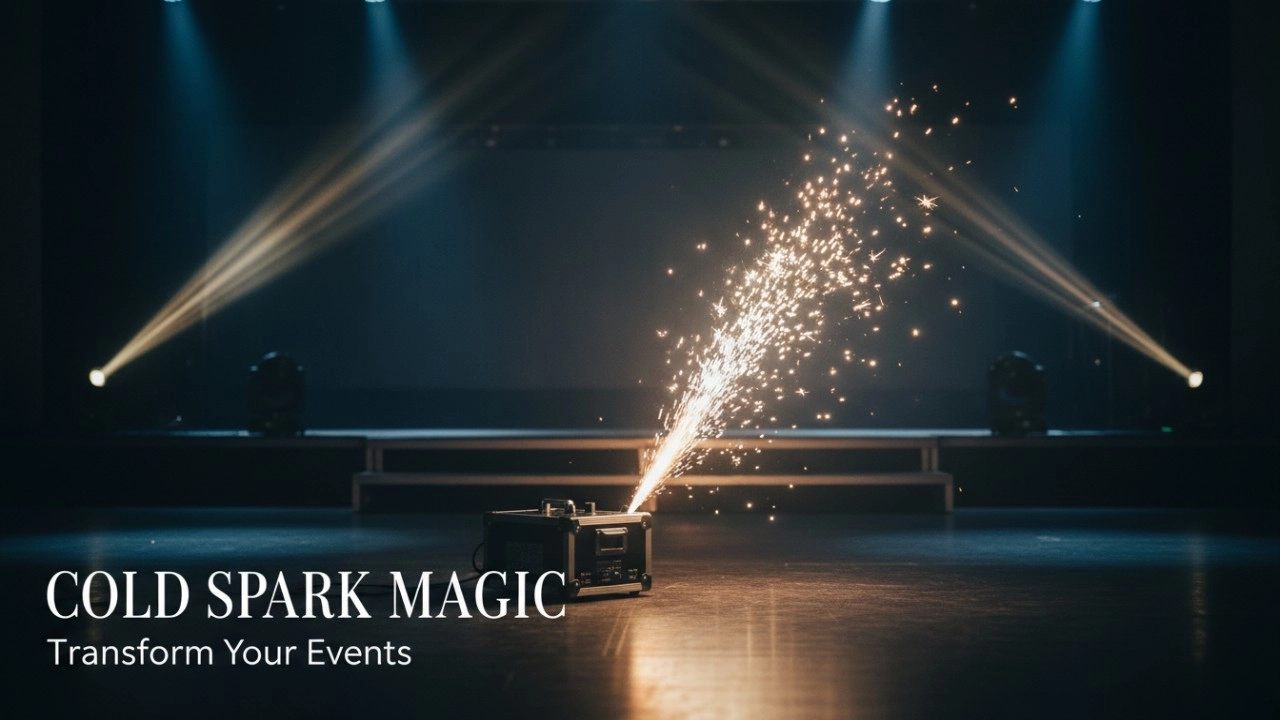
Top 10 Cold Spark Machines for 2026: A Deep Dive into Performance, Powder Life, and Durability

How to Choose a Snow Machine: The Definitive Checklist to Avoid Costly Mistakes (2026 Guide)
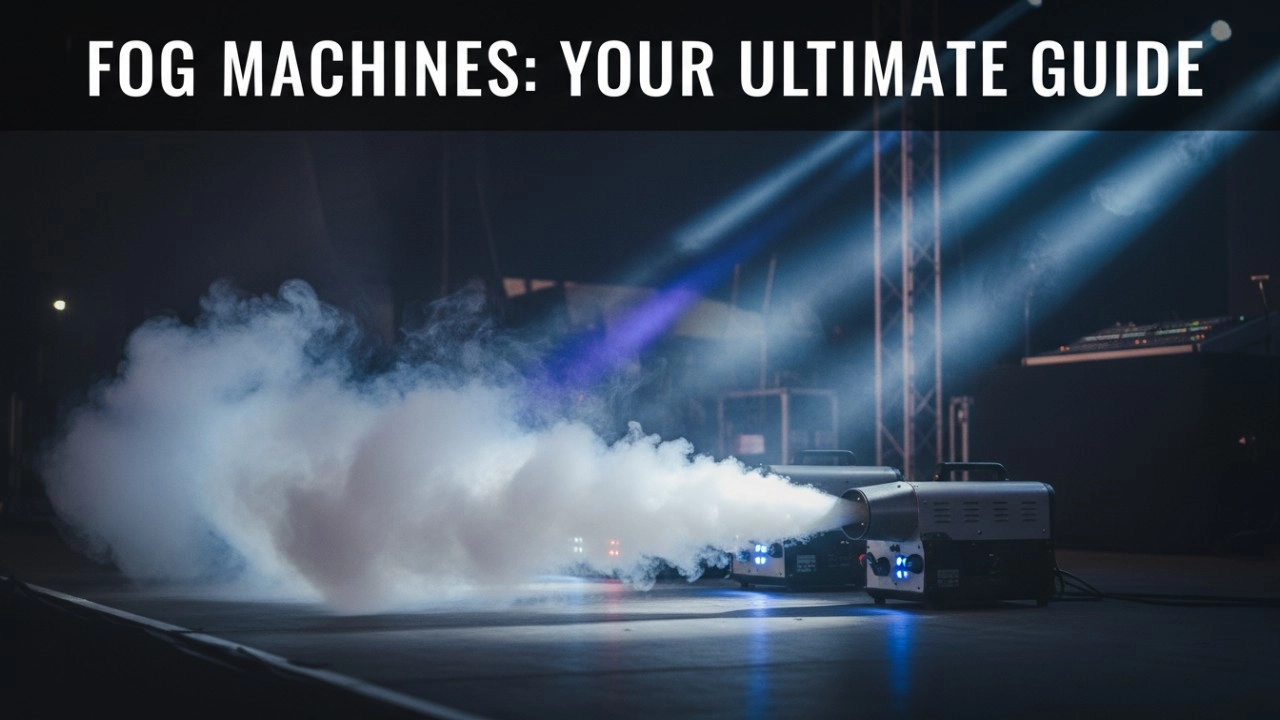
Fog Machines Explained: Technology, Control Systems, and Modern Stage Applications
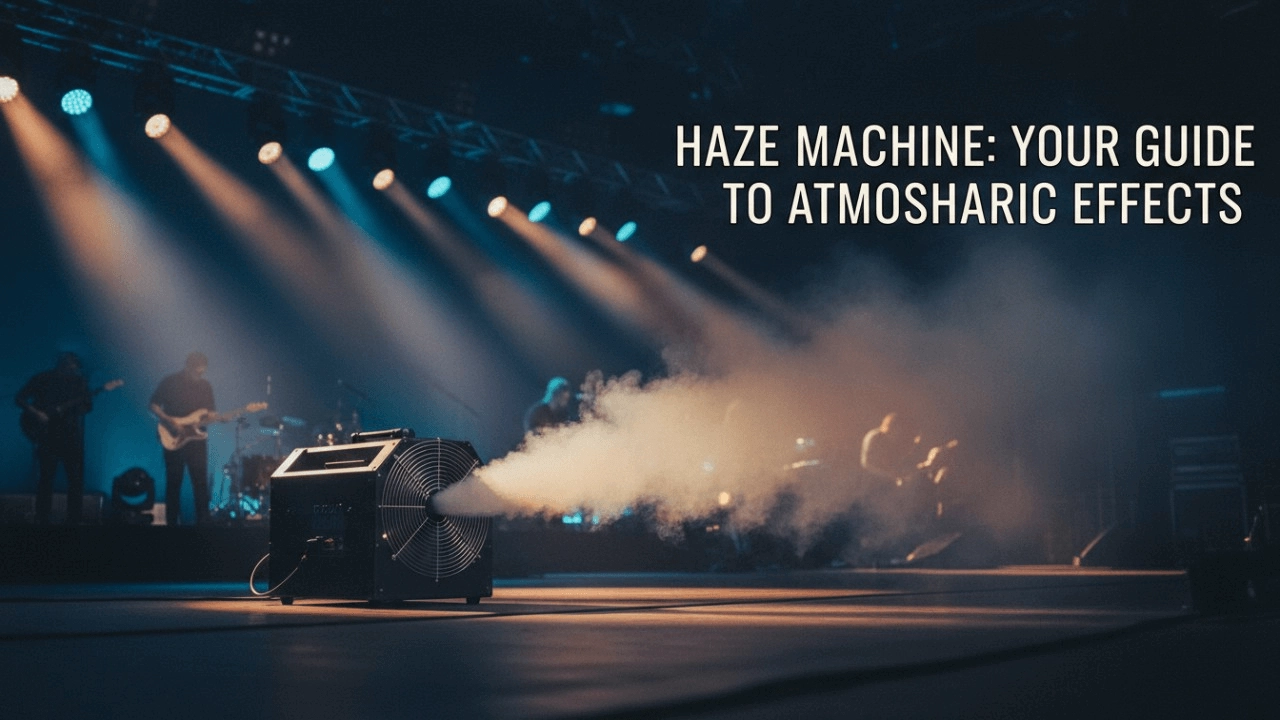
Haze Machines Explained: The Definitive 2026+ Guide to Effects, Selection & Future Innovations
Recommended for you
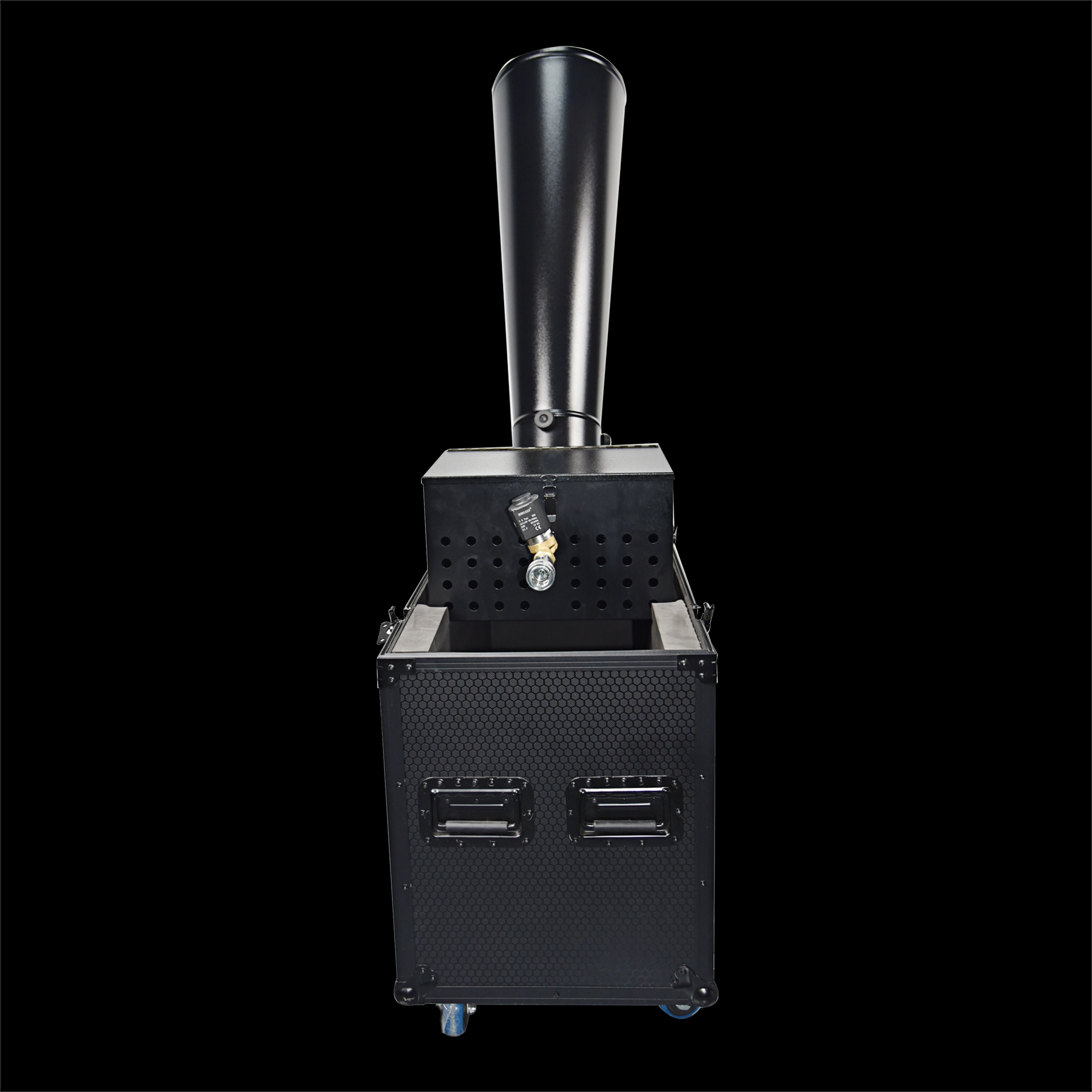


Stay Informed or Connect with Us
Have questions about our latest news or updates?
Reach out to us—we're here to provide more insights or media support.
Email: sales01@strlighting.com
WhatsApp: +86 189 2232 4800
© 2025 Siterui SFX All Rights Reserved.
 Scan QR Code
Whatsapp: +8618922324800
siteruisfx_stage_equipment
Siterui
SITERUI-SFX
STRlighting
@siterui.sfx