
How to use a fogging machine for mosquito and pest control?
As an industry professional in stage special effects equipment and pest control applications, you need clear, technical, and actionable answers before you buy or operate a fogging machine. This article addresses six specific, frequently asked long-tail questions that are often poorly answered online. It covers thermal foggers vs ULV cold foggers, droplet calibration, contamination & electronics safety, PPE and environmental checks, machine maintenance and winterizing, DMX integration for theatrical use, and regulatory compliance for pesticide applications. Semantic terms such as thermal fogger, ULV cold fogger, droplet size, haze machine, DMX control, fluid compatibility, and pesticide label are embedded naturally throughout.
1. How do I decide between a thermal fogger and a ULV (cold) fogging machine when I need one unit for both stage effects and outdoor mosquito control at medium venues?
Beginner pain: buyers want a single machine for both theatrical fog/haze and mosquito adulticide treatments but online FAQ pages give contradictory advice.
Short answer: Don’t expect one machine to be optimal for both — choose based on primary use and requirements. If you must dual-purpose, select a modular system and separate fluid circuits or separate machines for pesticide versus theatrical fluids.
Why: Thermal foggers and ULV (cold) foggers operate on different physical principles and produce different droplet spectra suited to different tasks:
- Thermal foggers (hot foggers): Use a heat source to vaporize an oil-based or solvent-based formulation and condense it into a visible, dense fog. Droplet spectrum tends toward the submicron–low-micron range (many droplets <5 µm). They create highly visible theatrical smoke and are excellent for penetrating crevices in pest control or for fumigation-style coverage indoors. However, thermal fogs are usually oil-based, can leave residues, and are not compatible with many electronic environments.
- ULV cold foggers (electro-mechanical aerosolizers): Generate droplets mechanically (rotor or high-pressure) producing larger droplets—commonly in the 10–50 µm range (optimal adulticiding typically targets ~10–30 µm). ULV applications are preferred for outdoor adult mosquito control because droplets settle through vegetation and contact flying insects while minimizing visible residue.
Decision matrix (practical):
- If your primary use is theatrical/special effects: buy a dedicated fog/haze machine (water/glycol-based haze, DMX-enabled) with a separate low-lying unit if you need ground fog. These are designed for fluid compatibility, DMX control, rapid warm-up, and low-residue operation around electronics and lighting.
- If your primary use is vector control (mosquito/pest): select a certified ULV cold fogger or truck-mounted ULV system rated for pesticide application, with adjustable droplet size and meterable flow, and ensure compliance with pesticide labels and local licensing.
- If you must have one unit for occasional cross-use: choose a modular ULV platform that offers detachable fluid tanks and dedicated plumbing, or purchase two separate machines. Never run pesticide through a theatrical haze loop or vice versa; cross-contamination risks both human exposure and fluid incompatibility with seals and pumps.
Spec checklist when evaluating machines:
- Droplet size adjustable or specified (ULV: 10–50 µm; thermal: typically much smaller).
- Separate fluid circuits or easily purgeable plumbing.
- Material compatibility (PTFE seals, stainless fittings) for insecticide solvents vs glycol fluids.
- Serviceability, spare parts, and manufacturer support for calibration and certification.
2. How to calibrate droplet size and application rate on a fogging machine to effectively kill adult mosquitoes without damaging stage equipment or causing excessive residue?
Beginner pain: buyers see “adjustable droplet size” claims but lack practical steps for calibration to balance efficacy and equipment safety.
Key principle: Effective mosquito adulticiding requires droplets in the appropriate aerodynamic diameter range and a known application rate (volume per unit area). For outdoor ULV adulticide interventions, public health guidance (CDC, EPA) commonly references droplet spectra in the 10–30 µm range for efficacy while limiting drift and residue.
Calibration steps (practical, reproducible):
- Read the pesticide label: The label specifies application rates (e.g., grams of active ingredient per hectare or application fluid volume per area) and often the recommended droplet spectrum. The label is a legal document—follow it first.
- Start with manufacturer baseline settings: Use the fogging machine’s recommended nozzle, rotor speed, and flow setting for the target droplet range. Document the settings.
- Measure flow rate: Collect output into a graduated container for a fixed time interval (e.g., 60 seconds) to determine ml/min or L/hr. Repeat 3× and average. This gives you the machine’s volumetric output at your setting.
- Estimate application rate: Using the flow rate and vehicle/handheld speed, compute treated area per minute and thereby ml/m² (or L/ha). Compare to the label’s required application volume; adjust flow or speed accordingly.
- Verify droplet size where possible: If you have access to a local university, vector-control lab, or an aerosol calibration service they can measure droplet spectra with a particle sizer (laser diffraction or aerodynamic particle sizer). If not available, use the machine’s documented settings and manufacturer probability curves; insist on a certificate of performance if provided.
- Field validation: Use sentinel mosquito traps (e.g., CDC light traps) or landing rate counts before and after a test application to validate efficacy. For stage environments, do a surface swab to check residue after a theatrical fog test prior to introducing equipment or performers.
Equipment and environmental notes:
- For stage venues, avoid thermal fogs around delicate electronics and lighting. Use water/glycol fog fluids with appropriate droplet control and point-of-origin distancing from equipment.
- Wind and atmospheric stability matter: outdoor ULV applications are most predictable in light wind (<3–5 mph) and without strong thermal inversions. CDC/EPA recommend applying when conditions promote effective distribution but minimal off-target drift.
3. What specific PPE and environmental safety checks should I perform when using oil-based thermal fog for indoor effects and when applying insecticide fogs for pest control?
Beginner pain: general PPE lists exist, but beginners need concrete, actionable PPE and area-prep steps tailored to thermal theatrical fogs versus pesticide ULV applications.
Key distinction: theatrical fog fluids (glycol or glycerin-based) and pesticide formulations have different toxicity and exposure profiles; however, both require careful control of inhalation exposure and contact hazards.
PPE for theatrical fog (glycol/prop-based haze/fog):
- Gloves: nitrile for handling fluids; avoid bare-skin contact with concentrated fluids.
- Eye protection: safety glasses when refilling or servicing machines.
- Respiratory: where venue ventilation is adequate and fluids are used as intended, respirators are generally not required. However, for high-density fills or maintenance operations (cleaning, flushing) use a NIOSH-certified N95 or higher if aerosols are present.
- Environmental checks: confirm HVAC is set to handle theatrical fog density per venue safety plan, establish clear performer sightlines, and run pre-show tests to validate visibility and smoke alarm interfacing.
PPE for pesticide ULV fogging (mosquito/pest control):
- Respirator: use a NIOSH-approved respirator appropriate to the active ingredient (for organophosphates/carbamates or other higher-toxicity chemistries, a full-face respirator with appropriate organic cartridge may be required). Always follow label and OSHA/NIOSH guidance.
- Gloves: chemical-resistant gloves (butyl, neoprene, or nitrile depending on solvent compatibility) long enough to prevent splash contact.
- Eye protection: chemical splash goggles or full-face respirator.
- Clothing: chemical-resistant coveralls and boots or disposable suits. Wash or dispose per label directions.
- Skin decontamination: have soap, water, and first-aid materials on site; follow label first-aid instructions for exposures.
Environmental & procedural safety checks for both uses:
- Pre-notify and evacuate non-essential personnel and occupants. For outdoor mosquito spraying, notify neighbors and sensitive populations per local rules.
- Cover or remove food, drinks, sensitive medical equipment, exposed optics, and open electronics in the immediate treatment zone. For stage effects, cover audio and console surfaces or place them outside the direct fog line.
- Check HVAC/fire-alarm integration. Many venues require interfacing with smoke detectors or running through validated suppression-safe paths. Consult venue fire marshal if necessary.
- Monitor meteorological conditions for outdoor pesticide applications (wind speed, direction, temperature inversions). Avoid application in heavy wind or imminent rain.
- Keep pesticide SDS (safety data sheet) and respirator fit-test records on site for regulatory inspection.
References: Follow CDC, EPA, OSHA, and the pesticide label for definitive PPE and environmental requirements—the pesticide label is legally binding.
4. How should I maintain, clean, and winterize a thermal or ULV fogging machine to avoid clogging and corrosion from pesticide residues and glycol fluids?
Beginner pain: many devices fail prematurely because users mix theatrical fluids with pesticides, or fail to flush residue leading to pump and nozzle corrosion/clogging.
Maintenance & cleaning best practices (routine):
- Separate fluid systems: Always maintain separate tanks and plumbing for theatrical fluids and pesticides. Never run pesticide through theatrical haze circuits.
- Flush after each use: After using any chemical or viscous fluid (pesticide or glycol), flush the machine with the manufacturer-recommended cleaning fluid. For water-based fluids, flush with distilled water followed by a mild detergent rinse if recommended. For oil/solvent-based pesticides, follow manufacturer guidance—some systems require specific solvent flushes to prevent seal swelling or shrinkage.
- Nozzle care: Remove and soak nozzles according to instructions. Use soft-bristle brushes or compressed air to clear particulate. Inspect for wear and replace periodically; worn nozzles change droplet spectra.
- Filters and strainers: Inspect and clean inlet filters and strainers daily during active seasons and before storage. Replace per schedule or when media shows discoloration or deformation.
- Fuel and engine care (for petrol/propane thermal units): Use clean fuel, stabilize fuel before long-term storage, drain carburetors if recommended, and run the engine at intervals in winter to prevent gumming.
Winterizing for storage:
- Completely flush and dry all fluid lines and tanks. Residual pesticide can crystallize and clog lines as temperatures change.
- Protect metal components from corrosion by storing in a dry, climate-controlled area. Apply light machine oil to exposed fittings per manufacturer guidance.
- Remove batteries or maintain charge using a trickle charger for electric units.
- Document maintenance: keep a log of flushes, nozzle replacements, and calibration checks—this helps with warranty and resale value.
Why this matters: Residue and improper fluids damage seals, diaphragms, and pumps. Using the wrong solvent or failing to flush will reduce droplet control and lead to uneven application or machine failure at critical times.
5. How do I integrate DMX/RDM control and schedule-based output for fog/haze machines so theatrical cues and timed pest-control treatments can run reliably from a single control system?
Beginner pain: novices want to synchronize fog cues with lighting and simultaneously schedule maintenance or pest-control runs but struggle with integrating devices safely.
Two distinct workflows: theatrical DMX integration (real-time show control) and scheduled pesticide operations (regulatory and safety constraints). Do not mix pesticide spraying with live show DMX control unless explicit safety separations are in place.
DMX/RDM integration steps for theatrical fog/haze:
- Choose fog/haze units with native DMX/RDM support (DMX512, with RDM for device status feedback). Confirm channel maps, max channel count, and available control modes (on/off, variable output %, fan speed, pump speed).
- Ensure the machine supports a remote interlock and has configurable warm-up/duty-cycle timers to match show cues without overdriving the heater or pump.
- Program pre-heating and cooldown macros in the lighting console or a show controller, and test sequences extensively to avoid surprise fog bursts.
- Confirm that the venue’s fire-detection system is configured for theatrical smoke/haze operations and that any DMX-based triggering meets venue and fire-marshal approval.
Scheduling and remote-control for pest-control ULV systems:
- Use dedicated scheduling software or programmable controllers that document start/stop times, application rates, and weather windows. For vehicle-mounted units, integrate GPS tracking and mapping to log treated areas for regulatory records.
- Automated scheduling must incorporate safety interlocks: exclude occupied buildings, avoid sensitive areas, and require manual confirmation when human presence is detected.
- Keep separate control domains: do not allow theatrical DMX consoles to actuate pesticide outputs. Use distinct control hardware and access controls for pesticide application to satisfy compliance and avoid accidental activation.
Practical tips:
- Consult the fogger manufacturer for DMX mapping and recommended show macros. Ask for sample channel maps and firmware that supports RDM so you can read fluid levels and device faults.
- For hybrid venues (theatre + grounds), maintain a documented policy, and train staff on differences between theatrical use and pesticide use, including separate lockout keys and physical labeling of tanks.
6. What legal and best-practice compliance steps are required to use a fogging machine for mosquito and pest control in the U.S. (permits, pesticide labeling, applicator certification), and how do I verify local rules?
Beginner pain: local rules vary widely; users find outdated forum posts that conflict with current federal/state requirements.
Core legal framework (U.S.-focused guidance; if outside the U.S., consult local authorities):
- Pesticide label: The pesticide label (EPA-registered product label) is the law. It defines legal application rates, target organisms, required PPE, buffer zones, and approved application methods. Never deviate from the label.
- Applicator certification: State regulations commonly require that commercial pesticide applicators be licensed or supervised by a licensed applicator. Check your state department of agriculture or pesticide regulation for certification requirements and training courses.
- Local ordinances: Cities, counties, and park authorities can impose additional rules regarding notification, no-spray buffers, permitted hours, and approved equipment types. Always check with local vector-control authorities or the municipal permitting office.
- Recordkeeping: Maintain treatment logs: date/time, product used (EPA registration number), application rate, treated area, weather conditions, applicator name, and equipment ID. Records are frequently required for audits.
- Worker safety laws: OSHA regulations for hazardous chemical handling and local labor regulations (e.g., notification for agricultural workers) may apply for workforce protections.
How to verify current local rules:
- Contact your state pesticide regulatory agency and ask for commercial applicator licensing guidance.
- Consult local vector control districts — many publish operational standards and accepted application technologies online.
- Review the pesticide product’s EPA label online (search EPA Pesticide Product Label System or the product vendor). Keep a copy on site for each treatment.
- When in doubt, hire a licensed pest-control contractor for treatments or consult your legal counsel for institutional deployments (e.g., hotels or campuses).
Bottom line: Regulatory compliance is non-negotiable. Labels and state licensing requirements are current legal sources; community forums and manufacturer sales pages are supplementary but not authoritative.
Closing summary
Choosing the right fogging or smoke machine requires balancing droplet control, fluid compatibility, safety, serviceability, and regulatory compliance. Professional-grade ULV cold foggers are the preferred choice for outdoor mosquito adulticide applications because of controlled droplet spectra (commonly 10–30 µm for adulticiding per public-health practice), while theatrical fog/haze machines with DMX control and glycol-based fluids are optimized for stage effects and performer safety. Prioritize separate fluid circuits (or separate machines), rigorous PPE and environmental checks, routine flushing and winterization, and adherence to pesticide labels and local licensing. When integrating DMX control, use RDM-capable units and keep pesticide controls on a separate, secured system.
Advantages of purchasing professional-grade fogging machines and stage special effects equipment: improved droplet uniformity for efficacy, modular fluid systems to prevent cross-contamination, manufacturer calibration and service support, DMX/RDM interoperability for theatrical productions, documented maintenance logs to protect warranties, and reduced liability by enabling label-compliant pesticide applications. These advantages translate into reliable show performance, safer pest-control outcomes, and lower long-term operational costs.
For professional quotes, tailored equipment recommendations, or calibration and training support, contact us at www.siteruisfx.com or email sales01@strlighting.com. We provide specification sheets, maintenance checklists, and compliance guidance for both stage special effects and pest-control fogging applications.
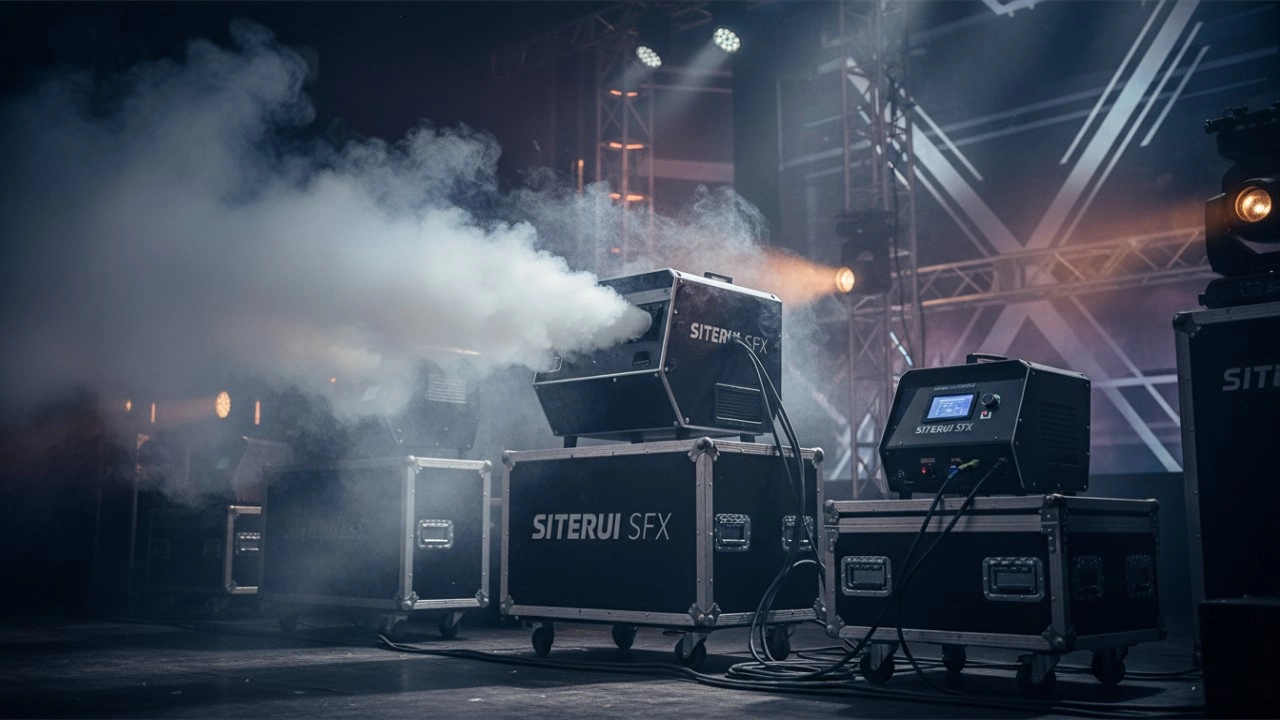
Comparing Professional Fog and Haze Machines for Stage Lighting in 2026
High-Impact CO2 Jet Systems for Electronic Dance Music Festivals in 2026
Advancements in Cold Spark Machine Technology for Indoor Events
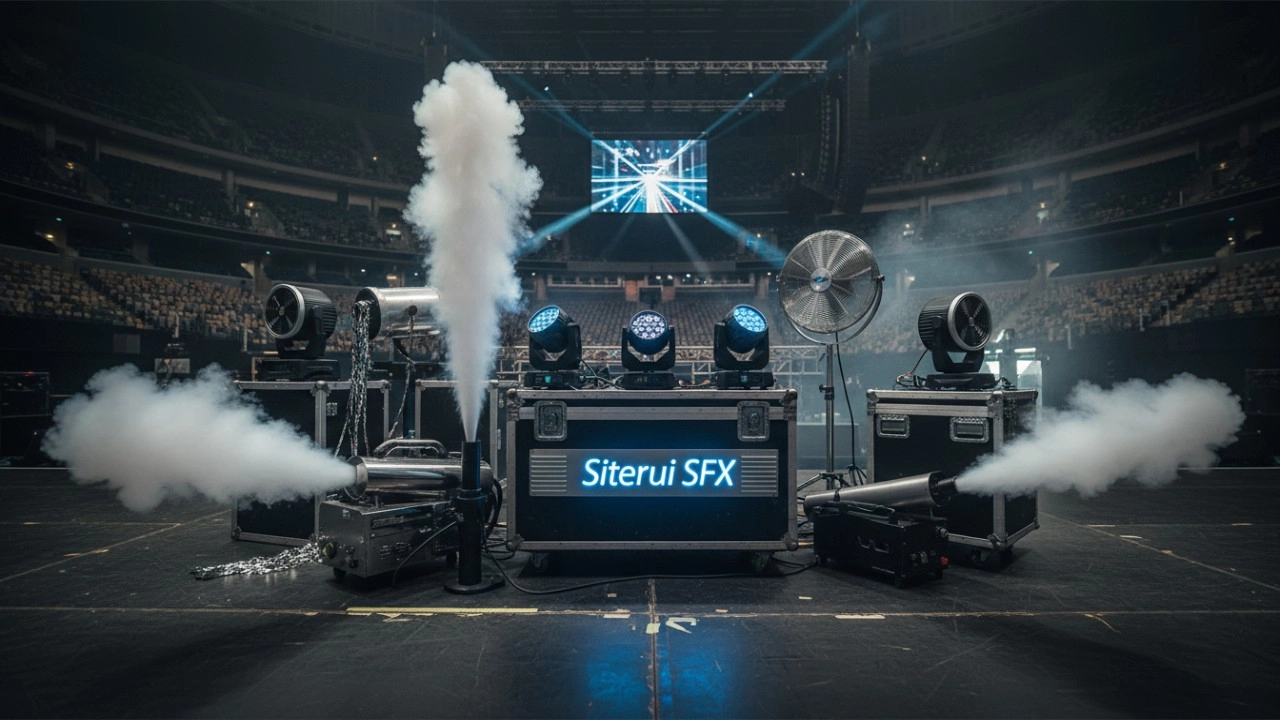
Exploring Core Categories of Professional Stage Special Effects (SFX) Equipment
Recommended for you


Stay Informed or Connect with Us
Have questions about our latest news or updates?
Reach out to us—we're here to provide more insights or media support.
Email: sales01@strlighting.com
WhatsApp: +86 189 2232 4800
© 2025 Siterui SFX All Rights Reserved.
 Scan QR Code
Whatsapp: +8618922324800
siteruisfx_stage_equipment
Siterui
SITERUI-SFX
STRlighting
@siterui.sfx