
What environmental impacts and residue concerns from fogging?
1) How much surface residue will a glycol-based fogging machine leave on lighting fixtures and costumes during a multi-hour theatre run, and how do I quantify and mitigate it?
Glycol- and glycerin-based theatrical fog fluids produce visible vapor by aerosolizing a water/glycol mix. Over repeated or prolonged shows, fine droplets can deposit as a faint, slightly tacky film on lenses, gel frames, LED optics, stage hardware and fabrics. The amount of residue depends on fluid chemistry (propylene glycol, dipropylene glycol, glycerin), droplet size (particle diameter), output rate, venue air movement and HVAC filtration.
How to quantify: perform baseline surface-swab tests before and after a run and measure mass change or optical haze on lenses. Use a standardized area (e.g., 10 x 10 cm) and a solvent wipe (isopropyl alcohol) to collect deposits; weigh wipes on a precision scale or visually rate haze with a camera and histogram analysis. Alternatively, use a particle counter and real-time aerosol monitor during operation to estimate airborne particulate concentration and decay time.
Mitigation steps:
- Choose low-residue, water-based theatrical fluids certified for low-deposit haze (many professional fluid manufacturers label products as “low residue” or “stage-safe”).
- Prefer larger droplet fog (less penetrative aerosol) for short bursts or select low-lying fog systems (liquid CO2/dry ice) if you need no chemical residue at all.
- Maintain positive air exchange and directional airflow to move vapor away from fixtures and costumes; short bursts are better than continuous high-output runs.
- Install local extraction or spot fans around lighting positions, and schedule routine cleaning of optics after blocks of performances using manufacturer-recommended lens cleaners.
- Log cumulative hours of fog use per fixture in maintenance records; more frequent cleaning prevents buildup that can reduce lumen output and overheat housings.
2) When using a fogging machine at an outdoor concert, what environmental permits and runoff precautions should production teams take to prevent aquatic glycol contamination?
Outdoor fog disperses into the atmosphere, but fluids used in high volumes can deposit locally (on ground, plant surfaces, or enter stormwater). Propylene glycol and glycerin are biodegradable, but concentrated discharges to water bodies raise biochemical oxygen demand (BOD) and can stress aquatic life. Mineral-oil-based haze is more persistent and poses higher ecological risk.
Practical precautions and procurement steps:
- Check local environmental regulations and event-permit conditions: some municipalities restrict discharges of oils or chemical aerosols near storm drains and protected waterways. Permit officers will require an environmental protection plan for large volumes.
- Never fog directly over open water, marshes or sensitive vegetation. Use wind/dispersion modeling or on-site observation to ensure drift does not cross into restricted areas.
- Prevent runoff from rinse water: when cleaning gear or floors contaminated by fluid, collect wash water and dispose of it per local hazardous waste or wastewater guidance; do not hose it into storm drains.
- Prefer water-glycol fluids specifically marketed as biodegradable and low-BOD for outdoor use. Avoid mineral-oil haze outdoors if runoff or wildlife exposure is possible.
- Document fluid volumes used, MSDS/SDS for each fluid on-site, and keep an incident response plan for accidental spills.
3) What are the measurable differences in particulate residue and long-term cleanup between mineral-oil haze and water-based fog machines for permanent installations?
Mineral-oil (oil-based) haze typically produces an aerosol of oil droplets that are more likely to leave greasy films on surfaces, attract and hold dust, and accumulate on ventilation filters. Water-based glycol/glycerin fluids tend to leave less oily residue; their deposits are usually water-soluble or alcohol-soluble, making cleaning easier.
Measured differences commonly observed by venue techs and maintenance teams:
- Filter loading: oil-based haze loads HVAC and fixture filters more rapidly and can reduce filter efficiency; water-based fluids load filters but are easier to clean or replace.
- Optics and fixture life: oil residues can polymerize or bake onto hot surfaces in proximity to incandescent fixtures, causing more stubborn staining; modern LED fixtures run cooler and still benefit from low-residue fluids.
- Cleaning labor and materials: oil-based residue often requires stronger solvents and more frequent deep-clean cycles; water-based residues can often be removed with mild detergents or alcohol wipes.
Recommendation for permanent installs: specify water/glycol-based low-residue haze for enclosed venues and reserve mineral-oil haze only where permitted for specific artistic reasons and with an enhanced maintenance plan (more frequent filter changes, dedicated extraction and solvent-safe cleaning protocols).
4) Can repeated theatrical fogging affect DMX-controlled LED fixtures or cause smoke detector nuisance trips, and what maintenance schedule prevents sensor or control failures?
Fog aerosols do not typically short-circuit electronics, but deposits on lenses, cooling fins and connectors can impede heat dissipation and optical performance. Sticky deposits may attract dust that clogs vents and fans, increasing fixture operating temperatures and accelerating component wear. Smoke and beam detectors can be triggered by dense theatrical fog; many venues use detectors with “sensitivity profiles” or use aspirating detection that can be zoned to avoid false alarms.
Preventive maintenance and programming controls:
- Apply a preventive maintenance schedule based on hours of fog exposure (e.g., inspect and clean optics and cooling fins every 50–200 hours of cumulative fog use, depending on output and fluid type).
- Use gaskets and IP-rated enclosures where fixtures are exposed, and keep connectors covered. Regularly inspect fans and temperature sensors for particulate buildup.
- Coordinate with venue fire safety: notify the fire department of planned effects, use approved fog/machine models, and set detectors to appropriate sensitivity profiles or temporarily alter zoning according to the venue’s fire safety plan to avoid nuisance trips.
- Use foggers with controllable output (DMX or analog) and set them to lowest effective intensity. Consider haze (lower-density persistent particulate) versus fog (higher-density bursts) depending on detection risk.
5) Which fog fluids biodegrade fastest and what are the recommended procedures for disposing of leftover fog fluid and contaminated cleaning water to comply with waste regulations?
Common fog fluids: propylene glycol (PG), dipropylene glycol (DPG), glycerin (vegetable glycerol), and mineral oils. In general, simple glycols (PG) and glycerin are readily biodegradable under aerobic conditions and have relatively low acute aquatic toxicity; mineral oil is less biodegradable and more persistent. Manufacturers often publish biodegradability data in the SDS (formerly MSDS).
Disposal best practices:
- Always keep SDSs for the specific fog fluid on-site and follow recommended disposal sections. SDS will state whether a fluid is hazardous waste under local law.
- Do not pour concentrated fluid or rinse water into storm drains. Small, dilute amounts rinsed to sanitary sewer may be allowed in some jurisdictions but verify with local wastewater authorities.
- Collect rinse waters from cleaning (use drain mats, absorbent pads) and dispose of them per municipal hazardous waste guidance if volumes are significant or if the fluid contains additives (dyes, fragrances, biocides).
- For large-volume outdoor events, use secondary containment for storage drums and label containers. Contract licensed waste haulers for disposal of bulk leftover fluids when required.
6) What PPE and ventilation rates are recommended to keep aerosol concentrations below occupational exposure limits when operating multiple fogging machines in a medium-sized theatre?
Personal protective equipment (PPE) and engineering controls differ by fluid chemistry and exposure duration. For routine theatrical use with low-residue water/glycol fluids, general ventilation and symptom monitoring are usually sufficient for audiences. For crew working in near-source, high-output environments (fog chambers, prolonged maintenance), additional protection is prudent.
Practical guidance:
- Review the SDS for each fluid. SDS sections on exposure controls will list recommended respiratory protection and occupational exposure limits when available.
- When operating multiple machines, increase ventilation to accelerate aerosol dilution. While specific ACH (air changes per hour) targets vary by venue size and HVAC capacity, a practical industry approach is to ensure sufficient fresh-air exchange so that visible haze dissipates within a few minutes of stopping output; if not achievable, reduce output or add local extraction fans.
- Crew working in close proximity to fog outputs should use NIOSH-certified particulate respirators (e.g., P95/P100) or elastomeric respirators when the SDS or monitoring shows elevated aerosol levels. For fluids containing solvents or additives, respirators with appropriate organic vapor cartridges may be needed.
- Use active monitoring: a particle counter (PM2.5/PM10) or aerosol photometer can validate that airborne particulate concentrations drop rapidly after machine shutdown. Keep logs of monitoring during load-in, tech rehearsals and shows.
- Implement administrative controls: limit access to areas with high fog density, rotate crew, and schedule maintenance outside audience times.
Authoritative practices and verification: always consult the fog fluid SDS, manufacturer installation and output guidance, venue HVAC engineers and local regulatory agencies. If you require quantitative occupational limits, obtain air sampling and professional industrial hygiene assessment—this is the only way to produce legally defensible exposure data.
For venue buyers: specify fluids with SDS documentation, ask manufacturers for low-residue certifications, require warranty clauses for prolonged-fog installations, and include a maintenance and environmental management plan in procurement contracts.
To discuss product selection, low-residue fog fluids, or to get a detailed quote and on-site risk assessment, contact us at www.siteruisfx.com or sales01@strlighting.com.
Conclusion — Advantages of choosing low-residue water-based fogging machines and rigorous maintenance
Selecting water-based, low-residue fogging machines reduces cleaning labor, protects optics and HVAC systems, lowers ecological risk versus mineral oils, and simplifies compliance with wastewater and spill rules. Coupled with engineered ventilation, local extraction, regular inspection schedules and SDS-driven disposal procedures, these choices deliver reliable artistic effects while minimizing environmental and equipment-related liabilities.
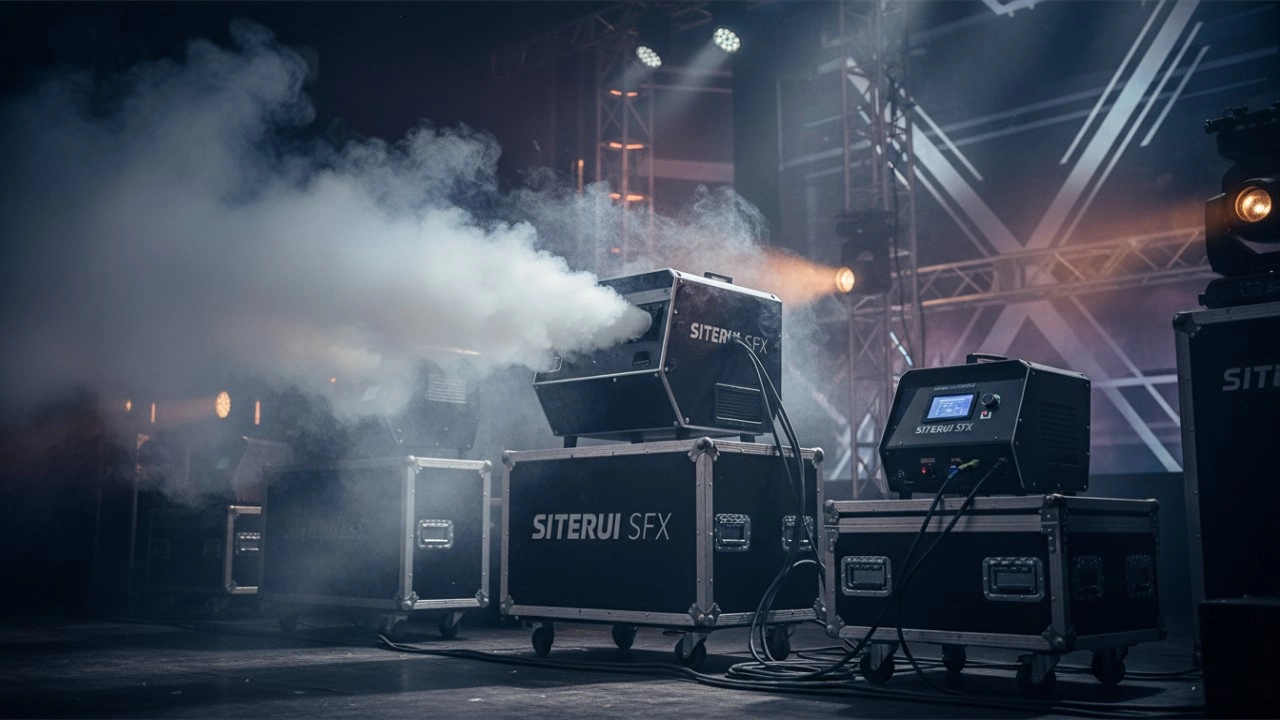
Comparing Professional Fog and Haze Machines for Stage Lighting in 2026
High-Impact CO2 Jet Systems for Electronic Dance Music Festivals in 2026
Advancements in Cold Spark Machine Technology for Indoor Events
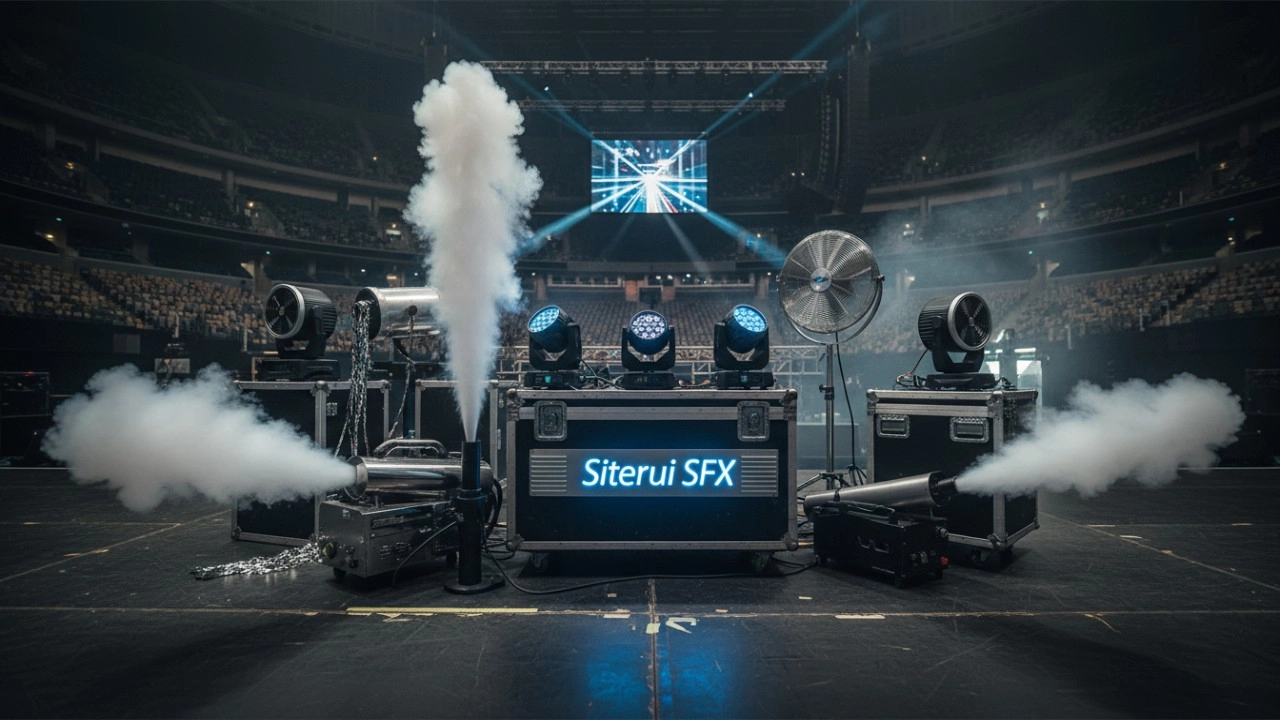
Exploring Core Categories of Professional Stage Special Effects (SFX) Equipment
Recommended for you


Stay Informed or Connect with Us
Have questions about our latest news or updates?
Reach out to us—we're here to provide more insights or media support.
Email: sales01@strlighting.com
WhatsApp: +86 189 2232 4800
© 2025 Siterui SFX All Rights Reserved.
 Scan QR Code
Whatsapp: +8618922324800
siteruisfx_stage_equipment
Siterui
SITERUI-SFX
STRlighting
@siterui.sfx