
How to troubleshoot common snow machine malfunctions?
How to Troubleshoot Common Snow Machine Malfunctions: A Professional Guide
As a professional content writer and a seasoned stage special effects equipment expert, this guide answers six specific, pain-point-oriented long-tail questions beginners regularly search for but rarely find deep technical answers to. It embeds real, practical advice for snow effect machines, including snow machine fluid compatibility, peristaltic pump care, DMX integration, residue control, and safe maintenance procedures. For quotes or parts, contact us at www.siteruisfx.com or sales01@strlighting.com.
1. Why does my snow machine spit large wet clumps instead of fine flakes during long shows?
Symptom: The machine produces heavy, wet clumps mid-show though it started with fine flakes. This is commonly due to fluid foaming characteristics changing under sustained duty, pump pulsation or worn nozzle/air-path geometry.
Step-by-step diagnosis and fixes:
- Check fluid temperature and composition: Many snow machine fluids are water-based, non-toxic, and engineered to form light flakes. Overheating, evaporation of watery components, or mixing with non-approved fluids (e.g., high-glycerin solutions or house blends) increases viscosity and clumping. Always use the manufacturer’s recommended snow fluid and verify the Safety Data Sheet (SDS) for viscosity range and dilution guidance.
- Inspect the reservoir level and contamination: Low fluid or debris in the tank concentrates solids and changes spray pattern. Clean tank and strain fluid through a 100–200 µm mesh to remove particulates.
- Confirm the pump type and operation: Peristaltic pumps are common because they handle viscous fluids and provide metered flow. If rollers or tubing wear, flow becomes pulsed and inconsistent, causing wet clumps. Replace worn pump tubing and test with fresh fluid at low flow to verify steadiness.
- Clean/replace nozzle and air nozzles: Nozzle orifice wear increases droplet size; partial blockages create large droplets. Use the manufacturer-approved nozzle cleaning procedure—soak in warm distilled water (or approved cleaning solution from SDS) and gently clear with a soft, non-metallic pick. Do not enlarge the orifice with metal tools.
- Check fan airflow and mounting angle: Reduced fan CFM or blocked intake means lower shear on the fluid stream resulting in larger flakes. Clean intake filters, ensure free fan rotation, and verify the output angle is optimized so the flakes fully break into the air stream rather than falling wet.
- Adjust duty cycle and staging: Continuous runs can change fluid behavior; program shorter bursts and allow cooling intervals. If a show requires extended operation, use multiple machines on staggered cycles to share load and keep each unit in its optimal operating window.
Prevention: Use manufacturer snow fluid, maintain a 30–60 minute cleaning schedule for prolonged seasons, keep spare pump tubing and nozzles, and stage machines to alternate duty.
2. How do I clear a stubborn nozzle clog in a peristaltic-pump snow machine without damaging the pump?
Symptom: Output weak or zero, pump runs but no snow; pressure gauge shows normal reading (if fitted), indicating blockage at the nozzle/air path rather than pump failure.
Safe unclogging protocol:
- Power down and disconnect: Turn off power and isolate from mains. Remove the machine from the stage if needed to a well-lit bench.
- Relieve internal pressure: Run the unit on the smallest safe setting for one second then stop, or open any service valves to relieve pressure. Never force pressure while the nozzle is blocked because this can spin the pump dry and damage tubing.
- Remove and inspect nozzle assembly: Follow the manual to remove the nozzle/atomizer. Examine for polymerized residue or crystallized salts. Many residues are from evaporated water or incompatible additives.
- Soak in manufacturer-approved cleaning solution: For water-based, non-toxic snow fluid, warm distilled water with mild, biodegradable cleaner works. For stronger deposits, use the cleaning agent recommended in the machine SDS. Do not use solvents that degrade pump tubing (e.g., acetone or strong alcohols unless the manufacturer approves).
- Use non-metallic extraction tools: A small nylon pick or soft-bristle brush will dislodge deposits. For delicate fine jets, back-flush with low-pressure distilled water—use a syringe, not pressurized air, to avoid deforming the nozzle face.
- Inspect and replace seals and filters: Inline strainers and check valves upstream often trap debris. Clean or replace them. If peristaltic tubing has been run dry or shows abrasion/scoring, replace the tubing—it's a common failure point.
- Re-assemble, prime the pump, and test with approved fluid: Prime slowly and observe flow. Check for dripping or sputtering, then run a short burst into a receptacle before re-installing on stage.
Tip: Maintain a nozzle-cleaning kit (distilled water, approved cleaner, nylon picks, spare nozzles) in your flight case. Monthly preventive nozzle checks reduce downtime by >70% in rental/staging environments.
3. What diagnostic steps isolate pump vs. fan vs. nozzle failures when my stage snow machine produces no output?
Symptom: Machine powers up, indicators light, but no visible snow output. Could be pump failure, fan failure, electrical/sensor fault, or nozzle blockage.
Sequential diagnostic checklist (quick tech workflow):
- Visual and audible check: Listen for pump motor whine and fan rotation. If both are silent, check fuses, circuit breakers, and mains voltage at the machine (use a multimeter). Verify IEC cable and plug pin continuity. Replace blown fuses with correct rating only.
- Fan-specific test: Remove grille and inspect fan blades for obstruction. Manually spin (with power off) to check bearings—if stiff or noisy, the fan motor likely needs service. On power, if fan fails to start but pump runs, the fan drive/relay or motor is suspect.
- Pump-specific test: In peristaltic systems, stop the roller assembly and spin it manually (power off) to see if rollers are seized. With power on, listen for consistent pump rhythm; irregular rhythm suggests worn rollers/tubing. Check pump priming by disconnecting output tubing into a container and running briefly—if fluid isn’t delivered, pump or inlet blockage is present.
- Nozzle and air-path check: If pump output is confirmed into a container but no airborne snow forms when reconnected, suspect the nozzle or fan/air mixing. Clean nozzle and confirm proper air feed to atomizer.
- Control/electronics: If machine shows error LEDs or DMX channels not responding, check internal control board connections, fuses, and firmware version. Some modern snow machines have thermal and low-fluid interlocks—verify sensor wiring and float switches.
- Voltage and current draw: Use a clamp meter to compare operating amps against the manufacturer spec. A pump drawing higher than spec indicates mechanical binding; lower draw suggests electrical failure.
Document findings and replace one item at a time. For rental fleets, maintain log sheets to identify recurring failure modes (e.g., repeated fan motor failure due to dust ingress suggests need for a pre-filter upgrade).
4. How can I prevent white residue buildup on lighting fixtures and stage surfaces after repeated snow effect runs?
Issue: Snow fluid leaves visible residue or film when used repeatedly, risking damage to fixtures and creating cleaning burdens.
Understanding residue: Most residue comes from non-volatile additives in snow fluids (surfactants, film-formers) and from evaporation of water leaving polymers behind. Using non-approved fluids or high concentrations increases deposits on warm fixtures where evaporation rates are higher.
Prevention and cleaning protocol:
- Specify fluid compatibility: Use fluids labeled non-staining, biodegradable, and explicitly compatible with lighting and finishes. Ask suppliers for SDS and test small areas for 48–72 hours before full deployment.
- Control deposition zones: Aim snow output path away from hot fixtures and lenses. Use directional rigging and air-knife techniques to keep flakes suspended over audience areas and away from lighting arrays.
- Protective accessories: Use lightweight gobos, shields, or temporary covers on sensitive fixtures where exposure is unavoidable. Disposable wipeable covers on stage decks and monitor speakers reduce cleaning time.
- Scheduled cleaning: After every extended run, wipe critical surfaces with distilled water followed by a mild, pH-neutral cleaner approved for painted metal and polycarbonate. For lenses and LEDs, use optical-safe cleaners and microfibre cloths. Avoid ammonia-based cleaners on polycarbonate or diffusion gels.
- Filtration and fluid quality control: Use inline strainers and replace fluid on a schedule (e.g., every 30–90 days depending on use intensity). Test fluid for turbidity; cloudy fluid is a sign to replace to avoid more residue.
Note: Never assume all water-based fluids are identical. Manufacturer-specific formulations minimize residue; always follow manufacturer maintenance guides and test run prior to large events.
5. How do I configure DMX and timer settings to synchronize multiple snow machines without overloading power or flooding the stage?
Problem: Multiple machines must act in unison for a cue, but naive triggering can cause electrical surges, excessive snow, or uneven distribution.
Recommended setup and best practices:
- DMX addressing and channels: Most professional snow machines support DMX512 for triggering and parameters (duration, intensity). Check each machine’s DMX map; typical control includes a trigger channel and intensity channel. Assign contiguous addresses for easier patching and label them physically on each unit.
- Stagger power-on and cue timing: Avoid powering many pumps and fans simultaneously from the same circuit—stagger the machine boot sequence by a few seconds to reduce inrush current. Use power distribution with inrush-limiting circuits or soft-start controllers if available.
- Program timed bursts rather than continuous output: Use short, synchronized bursts (e.g., 2–6 seconds) coordinated with air handling and stage choreography. This reduces fluid heating, lowers residue, and prevents over-depositing on surfaces.
- Use master/slave or centralized cueing: If DMX is not used, many machines support a wired master/slave or contact-closure trigger. For precise synchronization, centralize control through a lighting console and cue-by-cue automation to ensure consistent intensity across devices.
- Load balancing and power planning: Calculate continuous and peak loads for pumps and fans, and distribute machines across multiple circuits / phases to keep each circuit below 80% of rated capacity. Use RCD/GFCI protection where required by venue code.
- Test with stage environmental controls: Conduct a full run-through including HVAC and stage airflow to ensure flakes disperse as intended. If snow accumulates, reduce burst length or increase machine spacing.
Document the DMX patch and pre-program safe maximum intensities. For touring rigs, store presets per venue to speed setup and reduce human error.
6. Why does my snow machine smell burnt after extended use and how do I fix overheating motors safely?
Symptom: A burning smell—sometimes acrid—after prolonged runs, often followed by reduced performance or tripped thermal cutouts.
Causes and remediation:
- Motor bearing or winding overheating: Dust ingress, dried fluid residue, or lack of lubrication causes increased friction. Replace bearings or the motor if windings show discoloration. Measure motor surface temperature (infrared thermometer) during operation; continuous operation above the manufacturer’s specified temp is unsafe.
- Poor ventilation and blocked cooling: Ensure ventilation grills are clear and that the machine has recommended headroom. Accumulated residue inside the cabinet acts as insulation—periodically open and vacuum the chassis using a soft brush and low-suction vacuum. Replace any clogged filters.
- Duty-cycle abuse: Many snow machines are designed for intermittent use (e.g., 5–10 minutes on then cool). Consult the spec sheet for maximum recommended duty and adhere. For extended shows, rotate machines or install additional units so each runs well within spec.
- Electrical overloads and loose connections: A loose lug or corroded terminal increases resistance and local heating. Inspect internal wiring, terminal blocks, and connectors for discoloration. Tighten to the torque spec in the manual and replace any oxidized connectors.
- Thermal protection and fail-safes: Check and test internal thermal cutouts, thermostats, or motor thermal protectors. Replace non-working thermal switches and validate their set points per manufacturer instructions.
Safety notes: If you smell burning, power down immediately. Do not run the machine until inspected. For motor repair, follow the manufacturer’s service instructions—motors often have sealed bearings or require specific grease types.
Concluding summary: Advantages of professional stage snow machine solutions
Professional stage snow machines and snow effect systems provide predictable dispersion, DMX-friendly integration, and fluid formulations engineered to minimize residue and hazard. When you select equipment designed for entertainment (peristaltic metering pumps, replaceable nozzle cartridges, and thermal protection), you reduce downtime, simplify maintenance, and deliver consistent show effects. Working with a specialist supplier lets you match snow machine type to venue requirements—indoor, outdoor, theatrical, or touring—ensuring correct fluid selection, power planning, and service support.
For fleet purchases, preventive maintenance plans, or to discuss the right snow machine and snow effect package for your stage, contact us for a quote at www.siteruisfx.com or email sales01@strlighting.com.
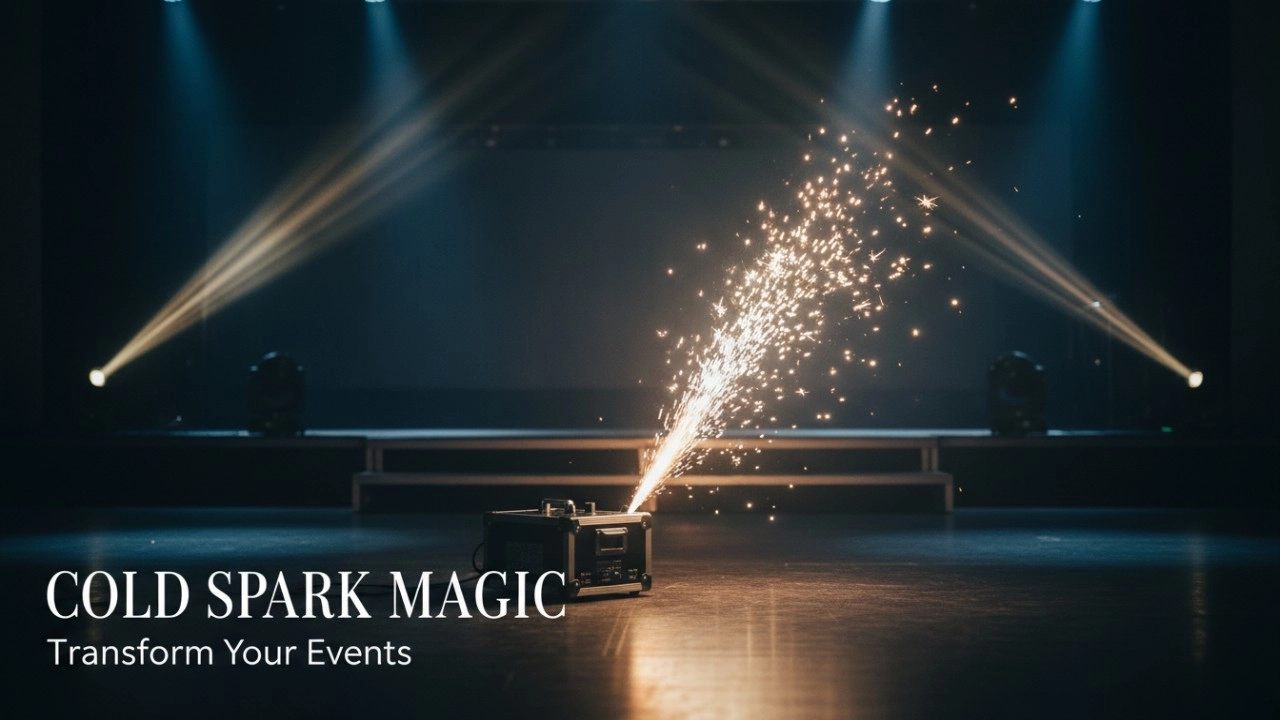
Top 10 Cold Spark Machines for 2026: A Deep Dive into Performance, Powder Life, and Durability
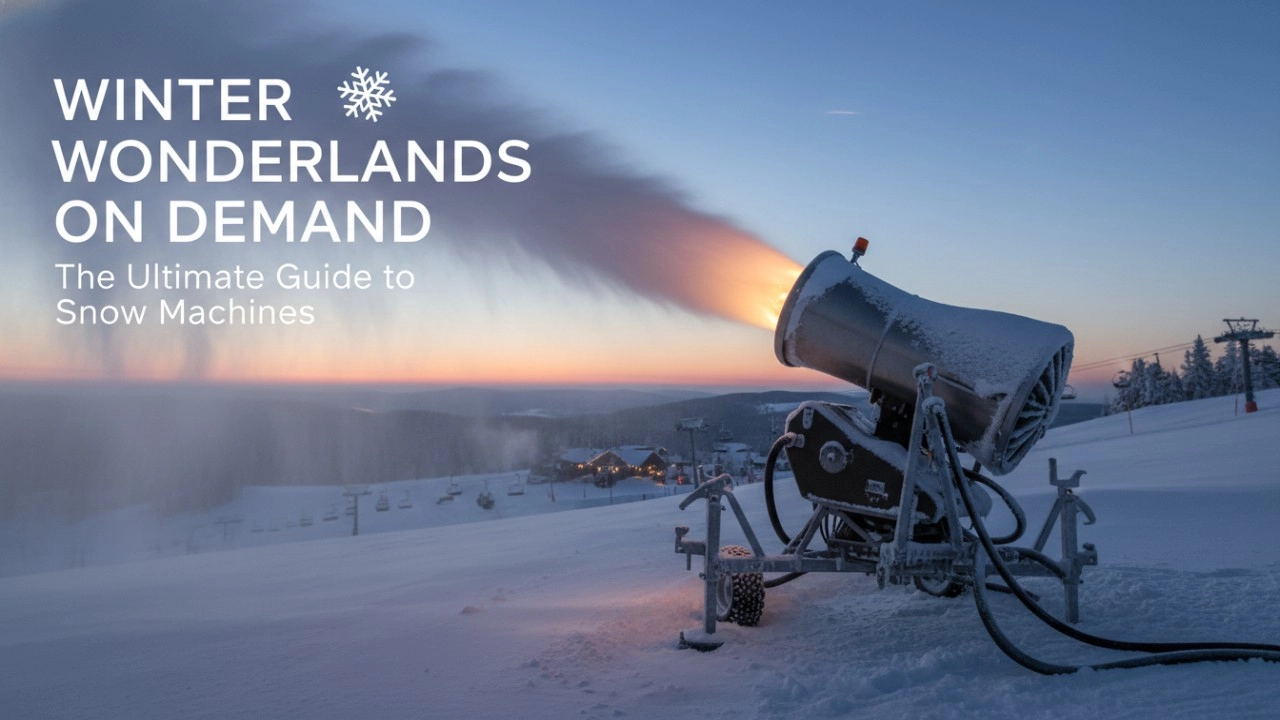
How to Choose a Snow Machine: The Definitive Checklist to Avoid Costly Mistakes (2026 Guide)
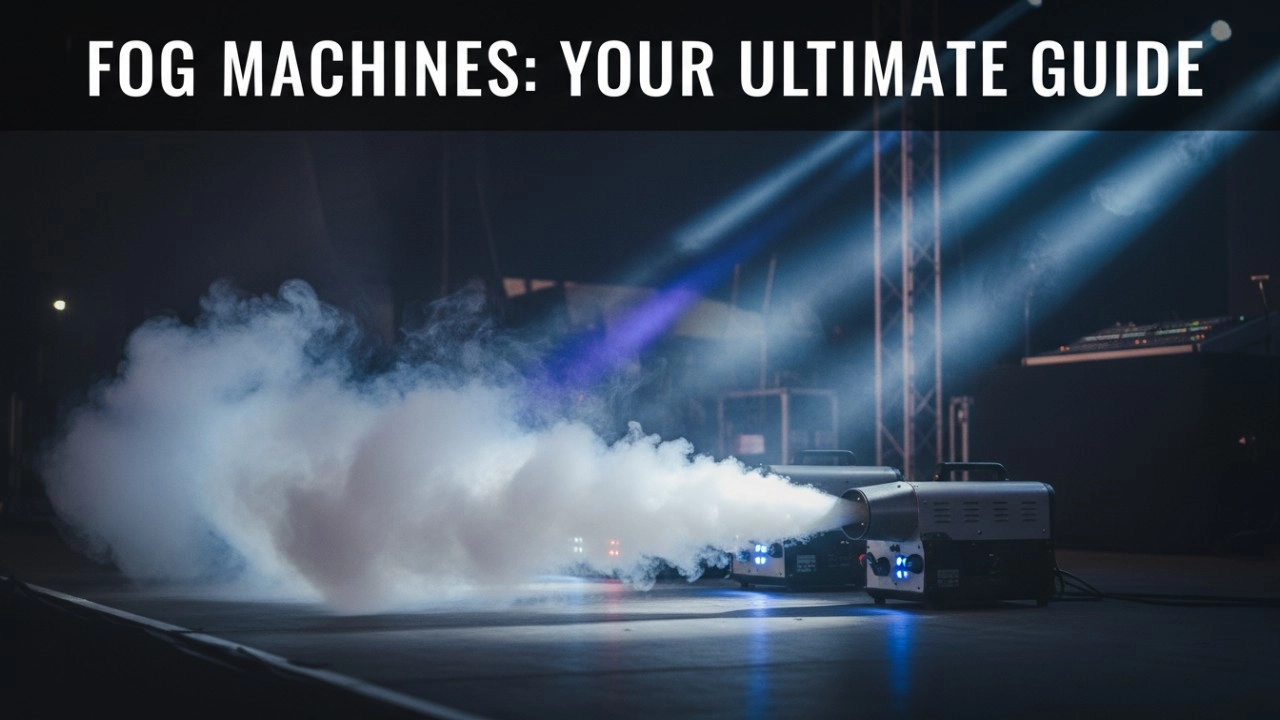
Fog Machines Explained: Technology, Control Systems, and Modern Stage Applications
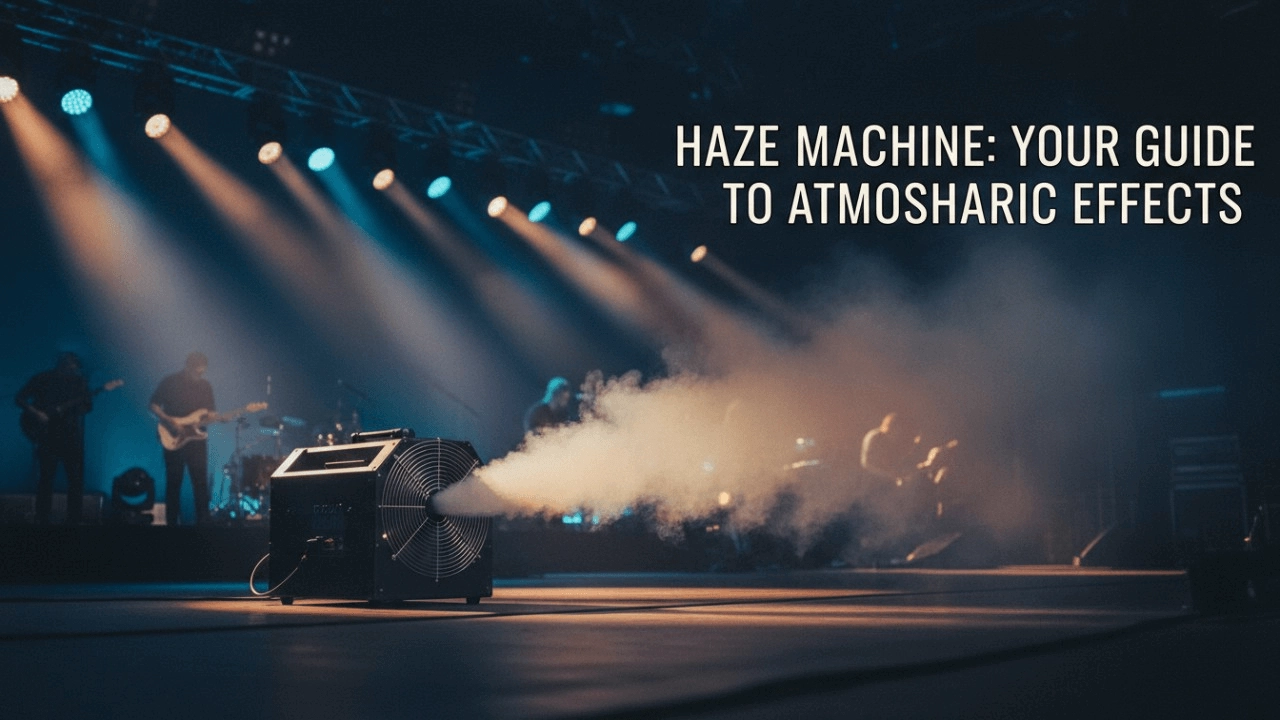
Haze Machines Explained: The Definitive 2026+ Guide to Effects, Selection & Future Innovations
Recommended for you
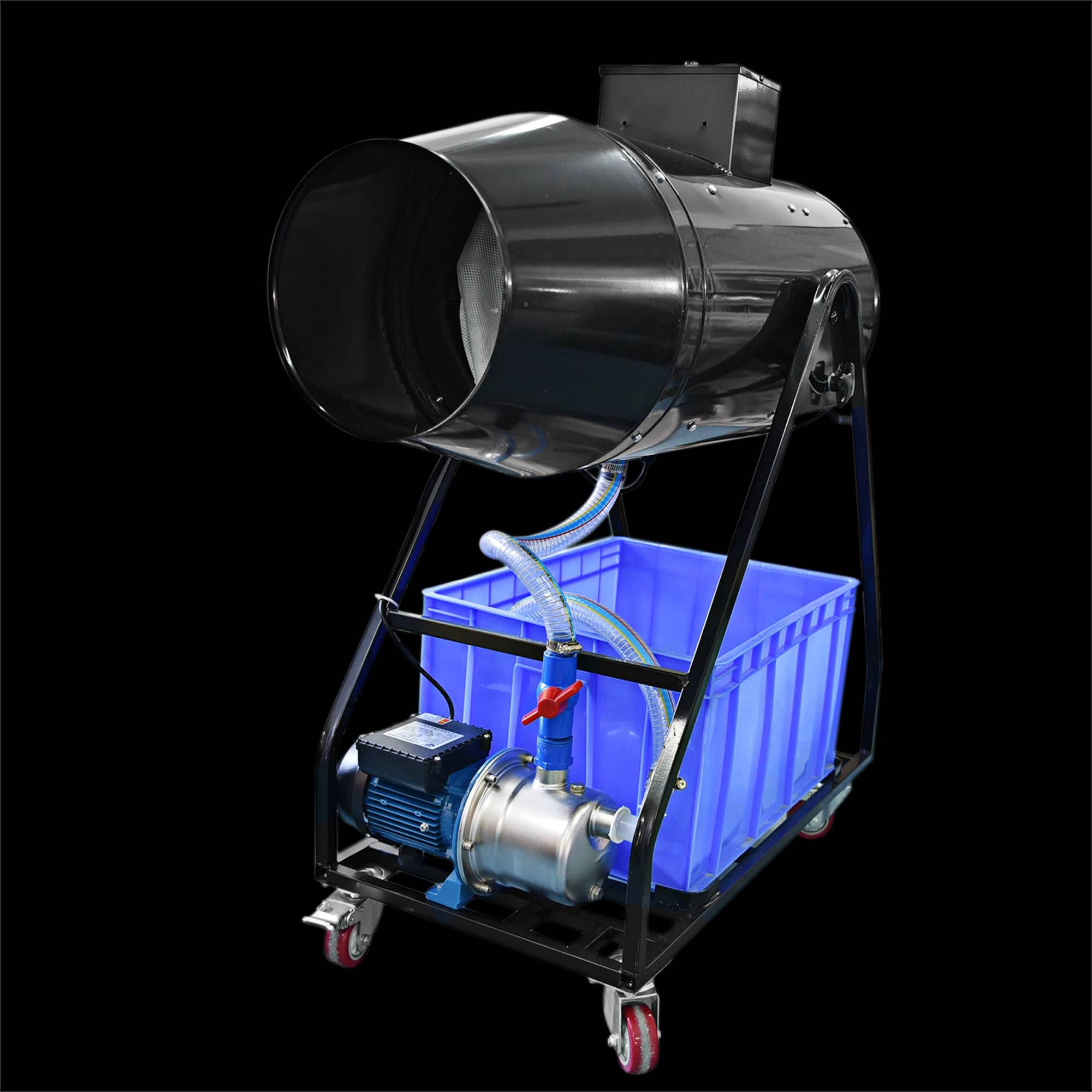
Elevate your event with the Siterui SFX 1800W Spraing Foam Machine. This high-power, professional foam party maker creates dense, vibrant bubbles—perfect for weddings and celebrations. Reliable and easy to use, it’s the foam and bubble machine for unforgettable moments.
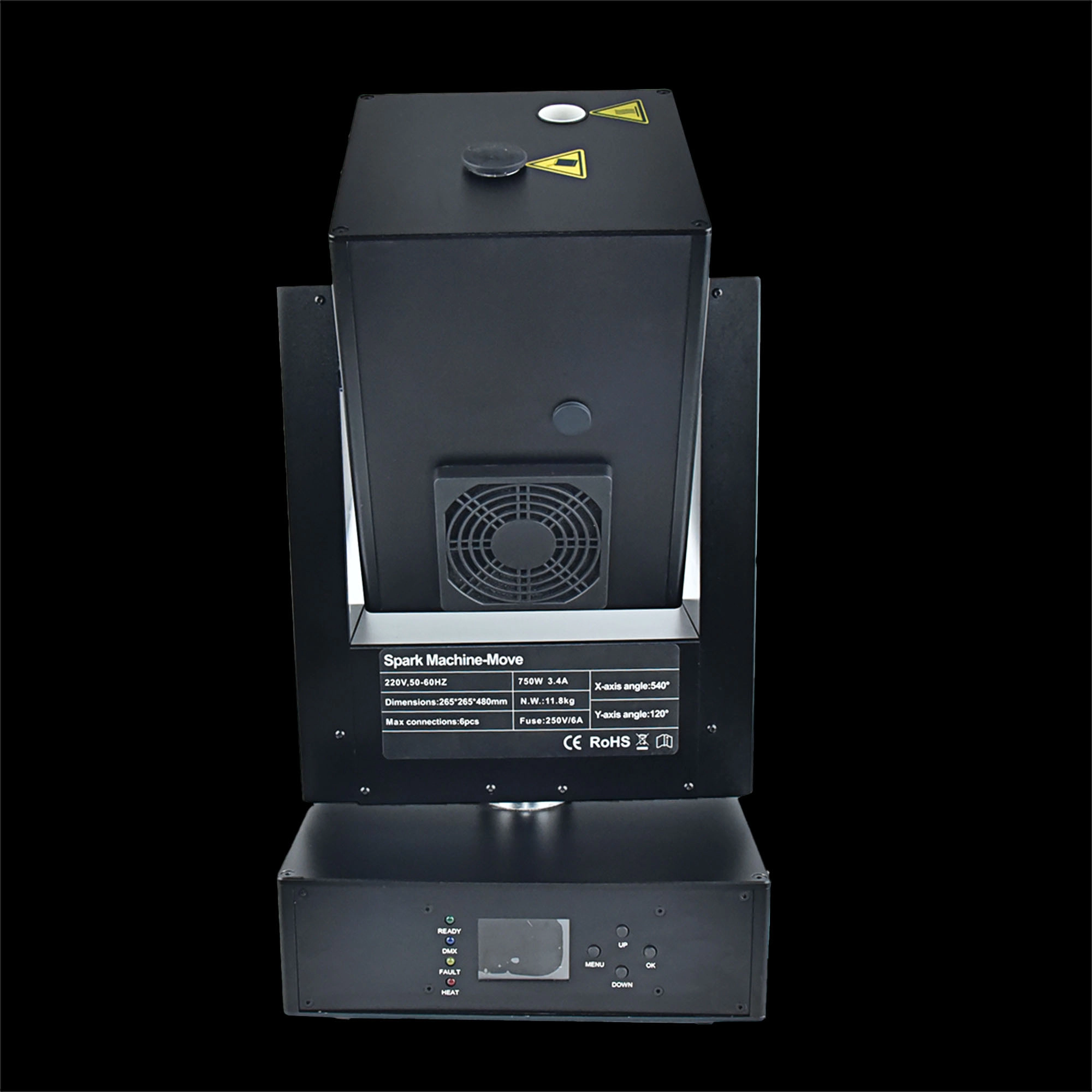
Siterui SFX 750w moving head spark machine delivers high-impact cold-spark effects with 360° moving head, DMX control, adjustable output and safe, long-lasting performance - perfect for concerts, weddings and stage shows.
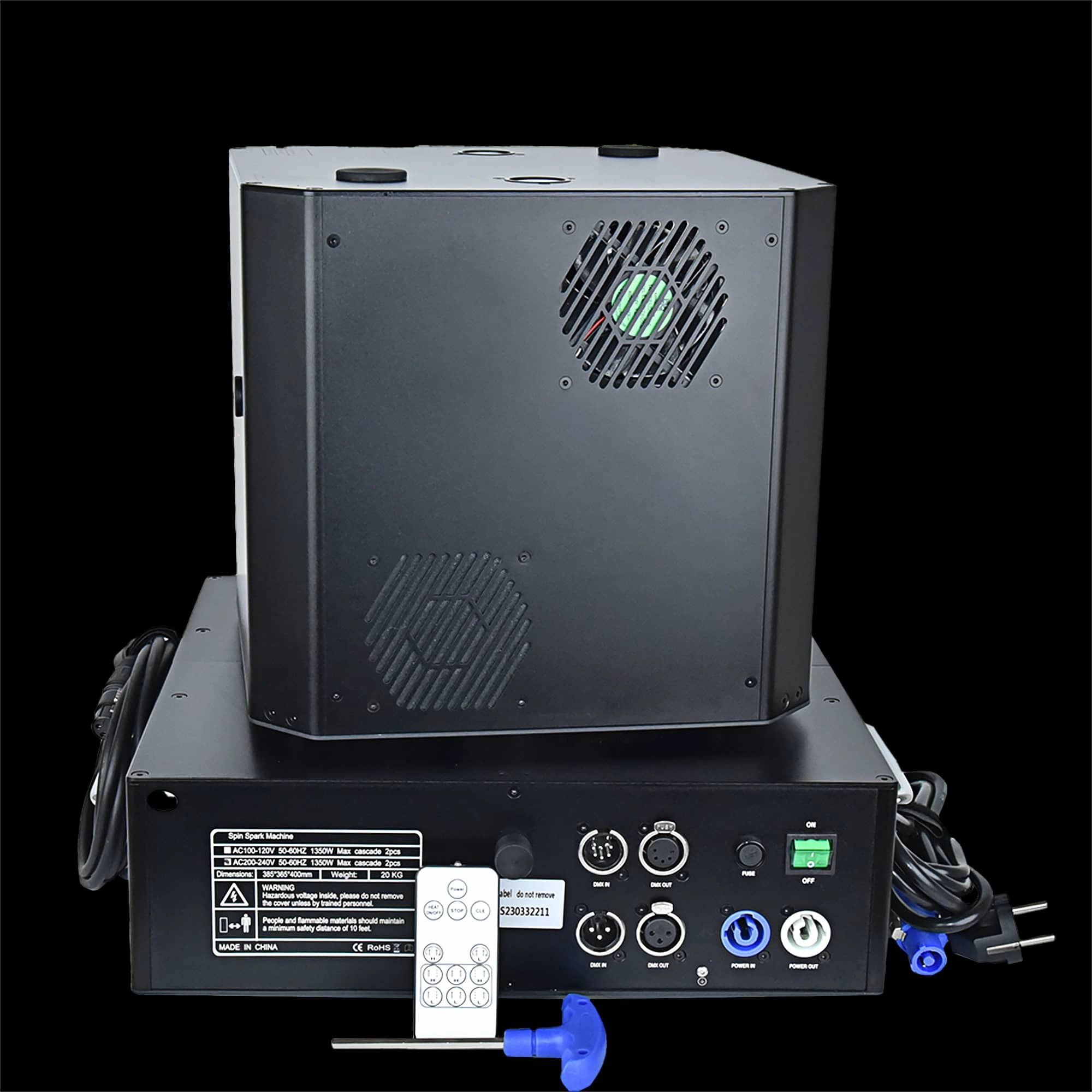
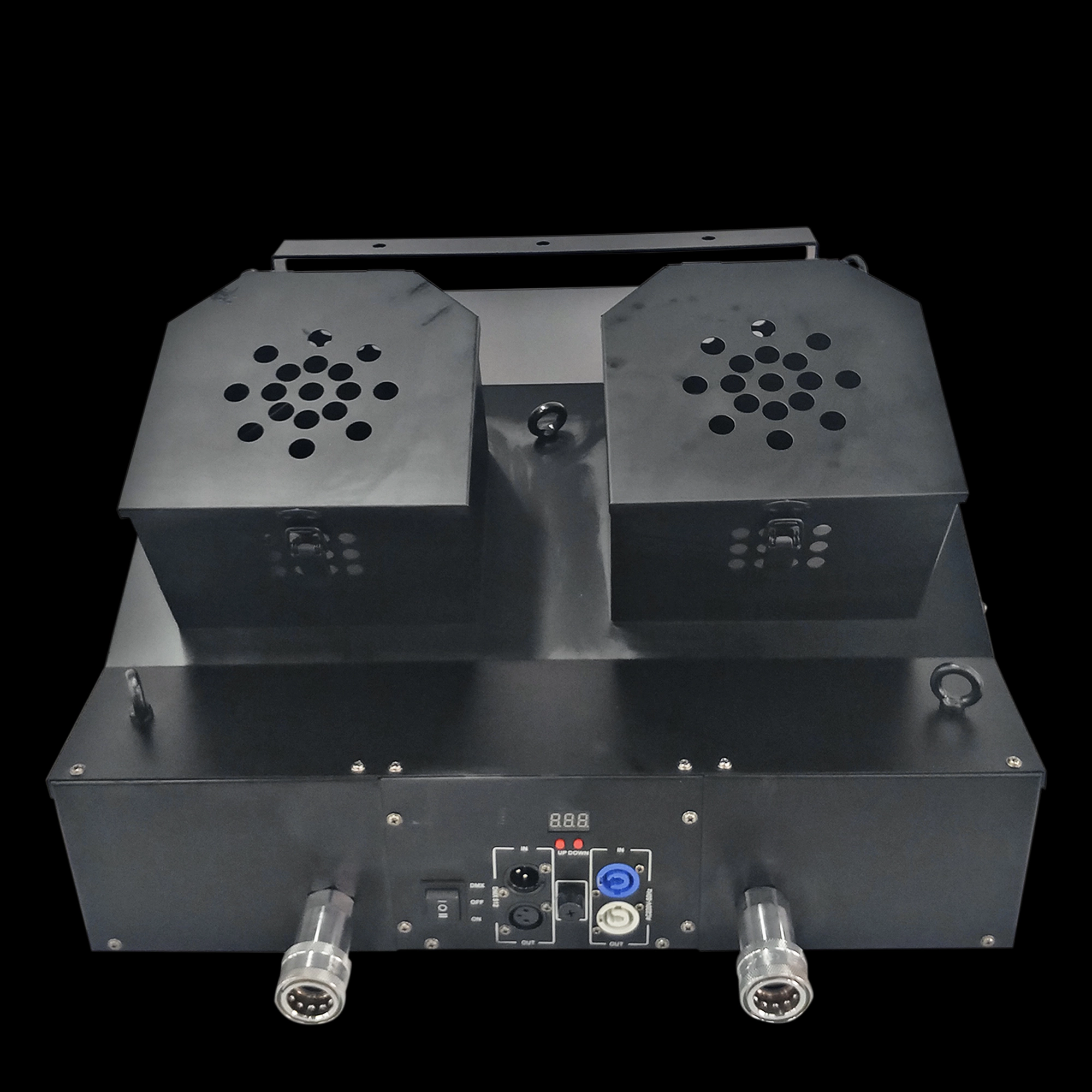
Double head 1300W Spin Spark machine -powerful dual-head 1300W spin spark effect with DMX + remote control for precise timing. Durable, professional-grade pyrotechnic effect ideal for concerts, clubs and events.
Stay Informed or Connect with Us
Have questions about our latest news or updates?
Reach out to us—we're here to provide more insights or media support.
Email: sales01@strlighting.com
WhatsApp: +86 189 2232 4800
© 2025 Siterui SFX All Rights Reserved.
 Scan QR Code
Whatsapp: +8618922324800
siteruisfx_stage_equipment
Siterui
SITERUI-SFX
STRlighting
@siterui.sfx